Updated:2026-03-31
Popularity
930Popular attractions





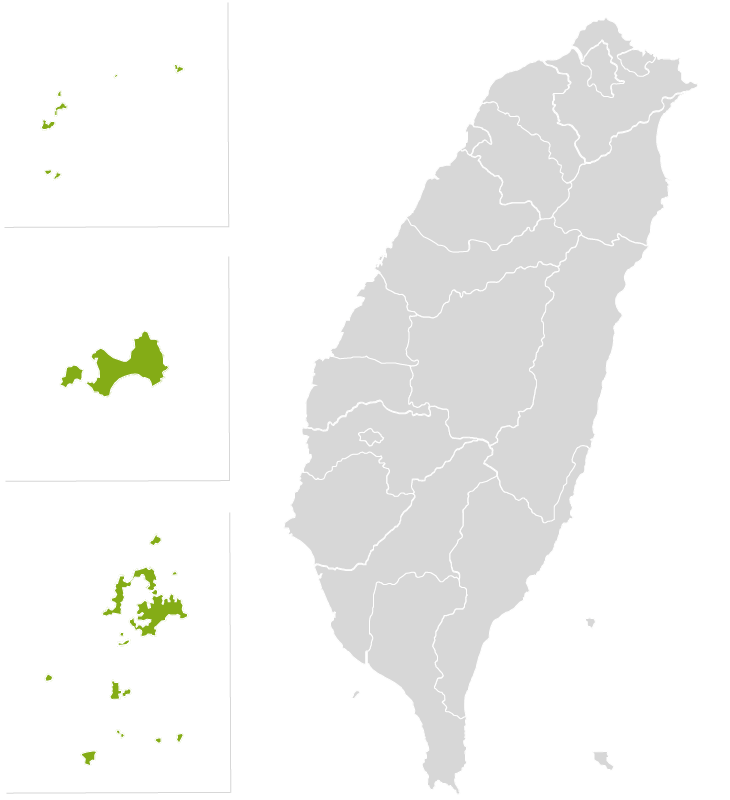
Penghu County, Kinmen County, Lienchiang County
Taiwan has three offshore counties—Penghu, Kinmen, and Lienchiang (commonly known as Matsu). These islands have preserved their local culture and history, developing a travel experience distinct from Taiwan’s main island, ideal for travelers seeking island-hopping adventures and immersive journeys.
Best Time to Visit the Offshore Islands:
April to October: Weather is generally stable. July and August are Taiwan’s summer peak season and can be very hot. If traveling during this time, make sure to transportation and accommodation in advance.
November to March: This is the season of the strong northeast monsoon, with rough seas and fewer visitors. Before traveling, check whether ferry or flight services are operating.
Penghu County
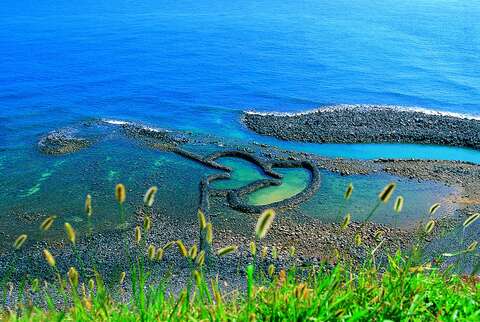
Penghu is an archipelago of 90 islands, boasting spectacular basalt landscapes, the iconic Double-Heart Stone Weirs, crystal-clear waters, and a unique island culture.
Recommended Itineraries and Experiences
Explore Stone Weirs and Local Fish Markets
The Double-Heart Stone Weirs on Qimei Island are not only a popular attraction but also a testament to the ingenuity of early fishermen. Stone weirs are a centuries-old fishing method that uses tidal movements to catch fish, and traces of this technique can be found across the islands. To learn how the stone weirs operate, consider joining a guided tour with Isle.Travel, where professional guides lead you safely through this centuries-old fishing tradition. Penghu also benefits from intersecting ocean currents, resulting in abundant seafood. The best way to get a true sense of local life is to visit the fish markets. We recommend the "Tour of the Penghu Fish Market," which offers English-speaking guides to take you through Magong’s fish market and discover the freshness and diversity of Penghu’s catches.
Book tours: Tour of the Penghu Fish Market
Sustainable Rural Communities and Wind-Sheltering Wisdom
Penghu's winters bring fierce winds, ing locals to develop wind-sheltered vegetable gardens to cultivate produce. The Nanliao Community was recognized in 2017 as one of the world’s top 100 green tourism destinations. Here, you can see restored traditional fish stoves, which villagers used to steam and cook seafood, reflecting an early culture of resourcefulness and sustainable practices.
Kinmen County
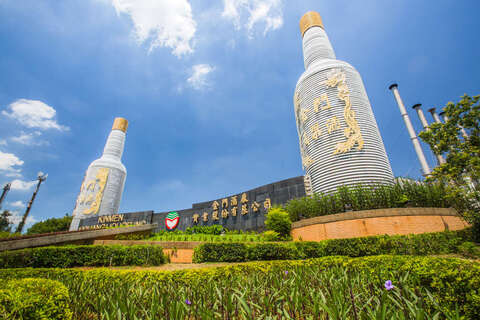
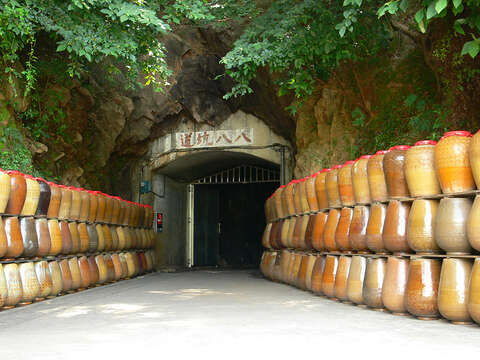
Kinmen is renowned for its sorghum liquor and is made up of numerous islands. Against a backdrop rich in military history, the islands showcase the resilience of a self-sufficient off-shore community.
Unique Wheat and Sorghum Fields
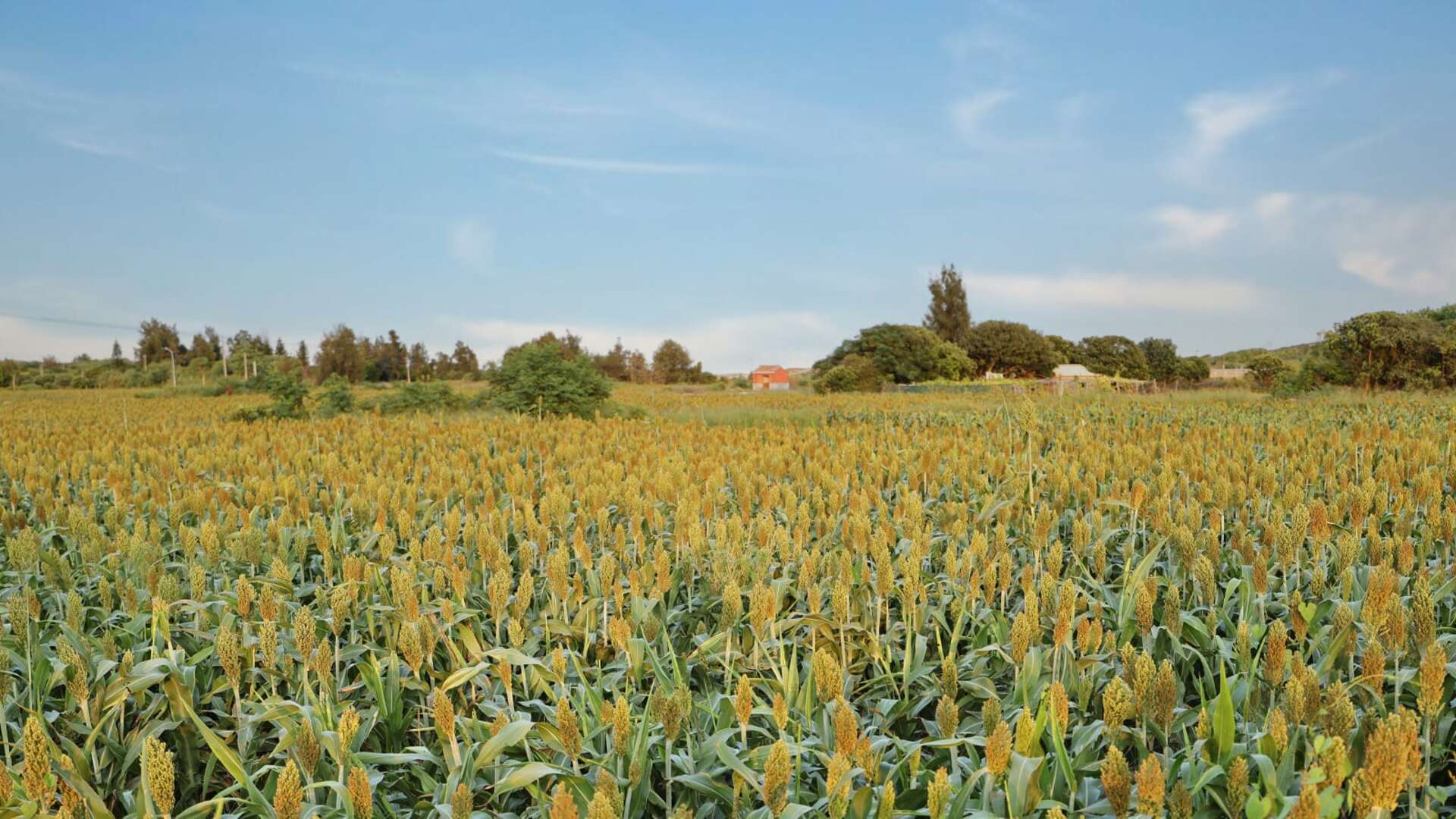
As one of Taiwan’s main wheat-producing regions, Kinmen’s fields turn into vast golden expanses in spring (March–April). In autumn, the landscape transforms with reddish-brown sorghum swaying in the wind—a rural scene unlike anything on Taiwan’s main island and a seasonal sight unique to Kinmen.
Fresh Dairy on the Islands
Kinmen also hosts a livestock research institute that provides the islanders with rich, flavorful milk. Visitors can stop by to sample fresh milk and popsicles, and at the aquaculture facility, observe living horseshoe crabs up close, discovering yet another facet of Kinmen.
Lienchiang County (Matsu)
Also shaped by a military past, Lienchiang County—commonly known as Matsu—is made up of several dozen islands, including Nangan and Beigan. As Taiwan’s northernmost county, Matsu preserves Fujianese culture, traditional architecture, natural ecosystems, and fishing village scenery.
Tasting Local Seafood and Snacks
Life by the sea is central to Matsu’s way of living, and the abundance of seafood is evident in local cuisine, with mussels famous throughout Taiwan. Beyond the delicious mussels, visitors can savor fish noodles made with locally caught seafood and golden dumplings crafted from sweet potatoes, experiencing the unique agricultural and fishing culture through every bite.
Best Time to Visit the Offshore Islands:
April to October: Weather is generally stable. July and August are Taiwan’s summer peak season and can be very hot. If traveling during this time, make sure to transportation and accommodation in advance.
November to March: This is the season of the strong northeast monsoon, with rough seas and fewer visitors. Before traveling, check whether ferry or flight services are operating.
Penghu County
Penghu is an archipelago of 90 islands, boasting spectacular basalt landscapes, the iconic Double-Heart Stone Weirs, crystal-clear waters, and a unique island culture.
Recommended Itineraries and Experiences
Explore Stone Weirs and Local Fish Markets
The Double-Heart Stone Weirs on Qimei Island are not only a popular attraction but also a testament to the ingenuity of early fishermen. Stone weirs are a centuries-old fishing method that uses tidal movements to catch fish, and traces of this technique can be found across the islands. To learn how the stone weirs operate, consider joining a guided tour with Isle.Travel, where professional guides lead you safely through this centuries-old fishing tradition. Penghu also benefits from intersecting ocean currents, resulting in abundant seafood. The best way to get a true sense of local life is to visit the fish markets. We recommend the "Tour of the Penghu Fish Market," which offers English-speaking guides to take you through Magong’s fish market and discover the freshness and diversity of Penghu’s catches.
Book tours: Tour of the Penghu Fish Market
Sustainable Rural Communities and Wind-Sheltering Wisdom
Penghu's winters bring fierce winds, ing locals to develop wind-sheltered vegetable gardens to cultivate produce. The Nanliao Community was recognized in 2017 as one of the world’s top 100 green tourism destinations. Here, you can see restored traditional fish stoves, which villagers used to steam and cook seafood, reflecting an early culture of resourcefulness and sustainable practices.
Kinmen County
Kinmen is renowned for its sorghum liquor and is made up of numerous islands. Against a backdrop rich in military history, the islands showcase the resilience of a self-sufficient off-shore community.
Unique Wheat and Sorghum Fields
As one of Taiwan’s main wheat-producing regions, Kinmen’s fields turn into vast golden expanses in spring (March–April). In autumn, the landscape transforms with reddish-brown sorghum swaying in the wind—a rural scene unlike anything on Taiwan’s main island and a seasonal sight unique to Kinmen.
Fresh Dairy on the Islands
Kinmen also hosts a livestock research institute that provides the islanders with rich, flavorful milk. Visitors can stop by to sample fresh milk and popsicles, and at the aquaculture facility, observe living horseshoe crabs up close, discovering yet another facet of Kinmen.
Lienchiang County (Matsu)
Also shaped by a military past, Lienchiang County—commonly known as Matsu—is made up of several dozen islands, including Nangan and Beigan. As Taiwan’s northernmost county, Matsu preserves Fujianese culture, traditional architecture, natural ecosystems, and fishing village scenery.
Tasting Local Seafood and Snacks
Life by the sea is central to Matsu’s way of living, and the abundance of seafood is evident in local cuisine, with mussels famous throughout Taiwan. Beyond the delicious mussels, visitors can savor fish noodles made with locally caught seafood and golden dumplings crafted from sweet potatoes, experiencing the unique agricultural and fishing culture through every bite.