Specialty Products and Souvenirs
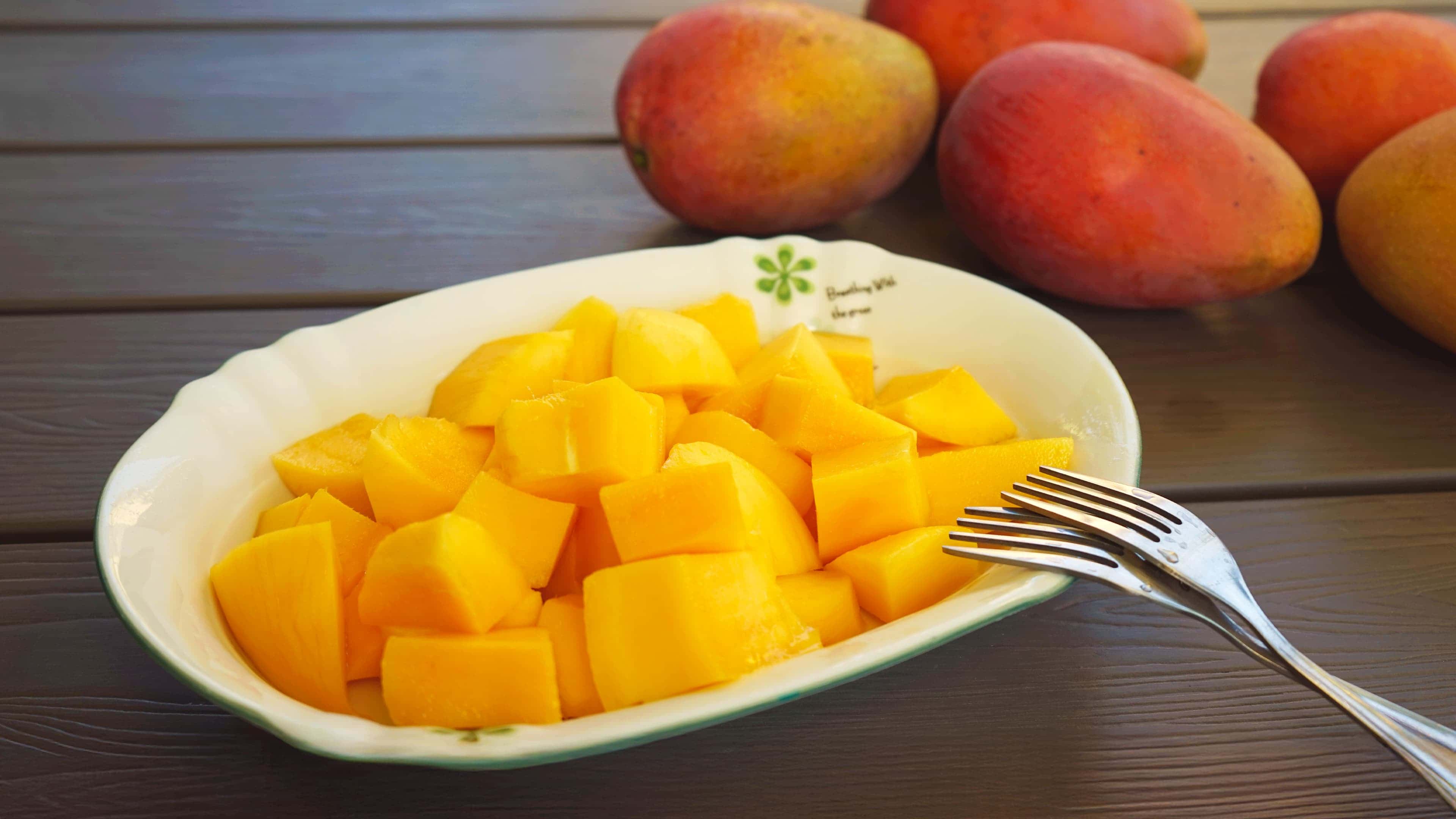
Take Home the Flavors of Taiwan
When traveling to Taiwan, besides enjoying xiaolongbao (soup dumplings) and bubble tea, there are many unique souvenirs worth taking home. Taiwan is known as the "Fruit Kingdom" and has excellent teas, coffees, and wines nurtured by its unique terroir. Therefore, we have carefully selected classic must-buy souvenirs, from pineapple cakes and dried mangoes to fragrant Taiwanese tea, allowing you to take home the charming local flavors to continue the wonderful experience of your trip!
 About "Rural Good Products"
Rural Good Products is a brand promoted by the Ministry of Agriculture. It carefully selects local agricultural products from Taiwan's rural areas, integrating professional craftsmanship, local ingredients, and unique flavors, adhering to the quality standard of "authentic, rustic, safe, and healthy".
People can purchase carefully selected products at farmers' and fishermen's associations, supermarkets, or select shops throughout Taiwan.
Classic Souvenirs
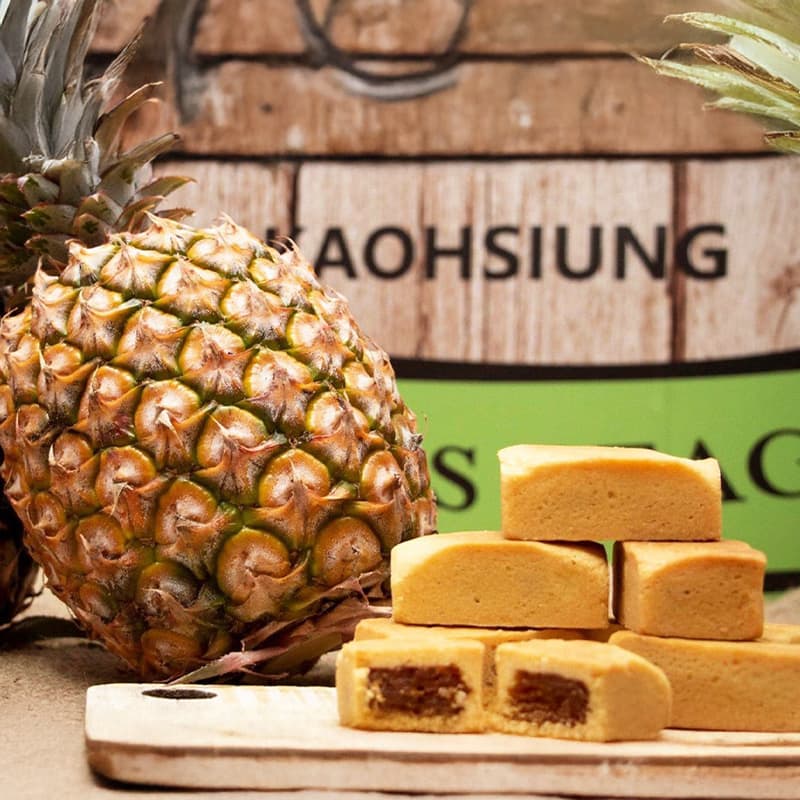 Pineapple Cake
Pineapple cakes are one of Taiwan's most famous desserts. They come in two flavors: pure pineapple and traditional white gourd. The former uses a more acidic pineapple variety to retain its fibrous texture and fruity aroma. The latter blends white gourd filling, resulting in a rounded sweetness paired with a rich, flaky crust. The intense milky aroma and slightly sweet, sour notes bring out the pineapple's fragrance, making it a must-buy souvenir for visitors to Taiwan. Suggest participating in a pineapple cake DIY workshop, where visitors can wrap heartfelt wishes inside the cakes to give to family and friends.
- Pineapple Cake DIY Experience (minimum 15 people / Mingquan Ecological Leisure Farm)
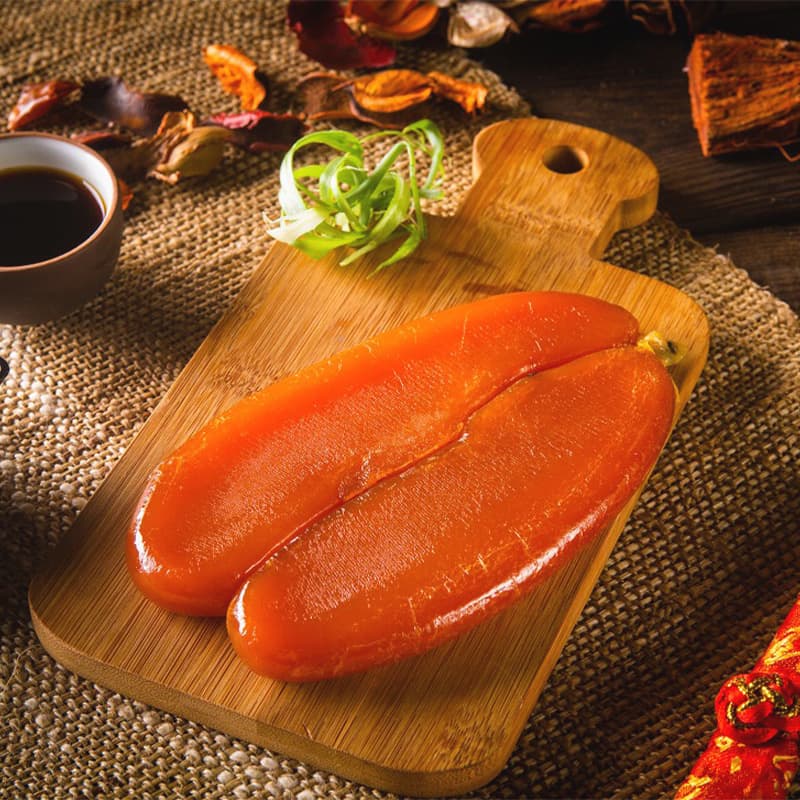 Mullet Roe
Mullet roe is an essential Lunar New Year treat in Taiwan. Fresh mullet roe undergoes a complex process of washing, salting, and sun-drying to create a rich, flavorful, and nice-chewy texture. It pairs well with garlic sprouts, apple slices, or white radish slices. Alternatively, people can drizzle whole pieces of mullet roe with whiskey, sorghum liquor, or rice wine, then lightly grill them over a flame to allow the alcohol to evaporate, leaving a lingering aroma that further enhances the mullet roe's unique freshness.
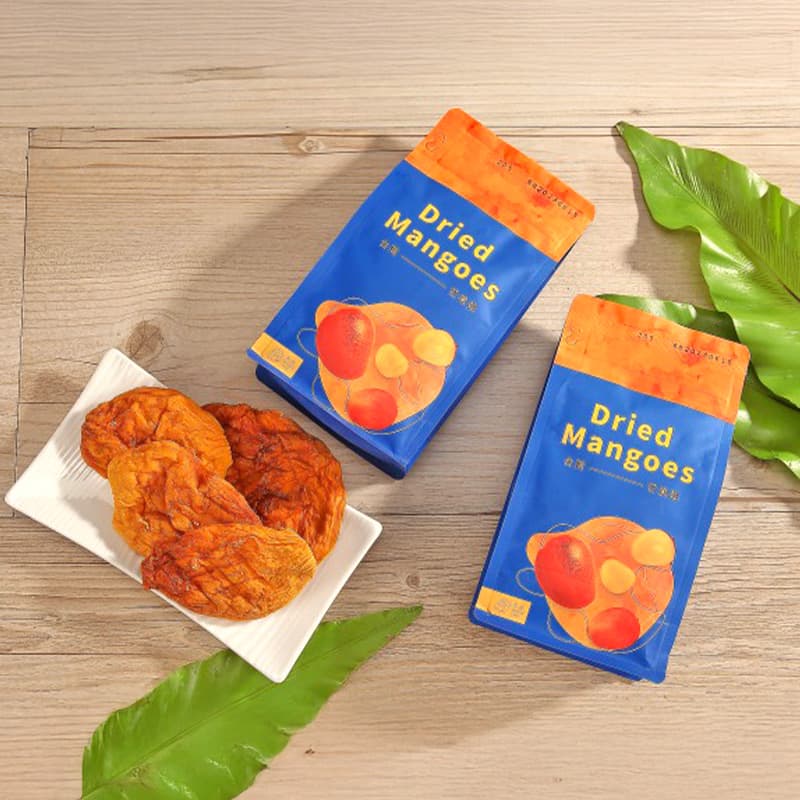 Natural Dried Fruit
Taiwan is rich in fruits such as mangoes and pineapples, which are dried to preserve their freshness, sweetness, and deliciousness. Among them, dried mangoes from Yujing in Tainan and Fangliao in Pingtung are the most famous. Dried fruits baked at low temperatures retain a concentrated aroma and sweetness. At the same time, the slightly moist flesh is non-sticky and nicely chewy, allowing people to enjoy the natural fruit and honey aromas fully.
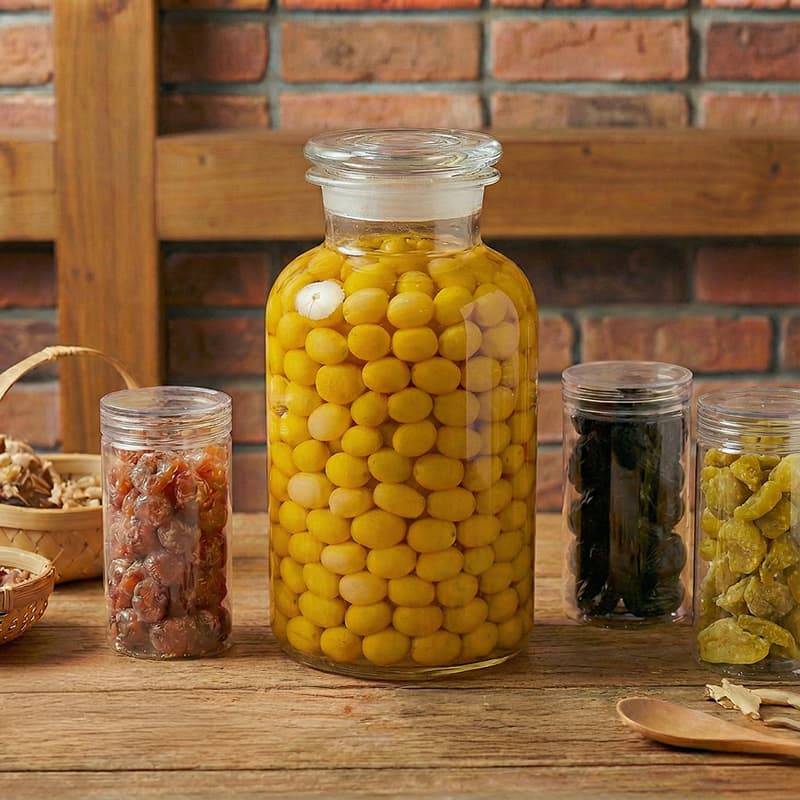 Candied Fruit
Candied fruits are primarily made from fruits such as kumquats, plums, guavas, and pineapples, then pickled with honey, sugar, or licorice, resulting in a more diverse and complex flavor profile compared to dried fruits. Candied kumquat is Yilan's most famous specialty. The skin of kumquats is rich in essential oils and has a naturally sweet aftertaste, possessing thirst-quenching and throat-soothing properties, making it suitable for brewing as a tea.
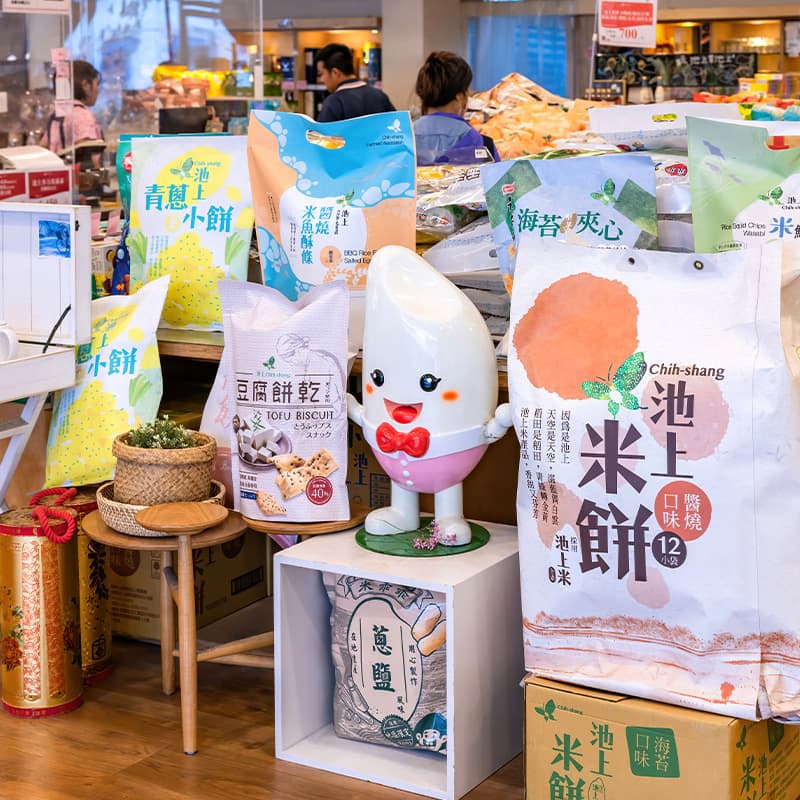 Farmers' Association Collaboration Classic Snacks
Farmers' associations across Taiwan have dedicated themselves to developing agricultural, fishery, and livestock products with local characteristics. They also collaborate with renowned snack manufacturers to launch regionally exclusive snacks, such as Miaoli Dahu Strawberry and Taitung Chishang Rice, and developed Rice Kuai Kuai (Rice Puffs), which have exclusive tastes. Besides, they offer a variety of snacks that combine traditional and innovative elements, such as shrimp cakes and popcorn, making them excellent choices for gifts or personal enjoyment.
Famous Tea in Taiwan
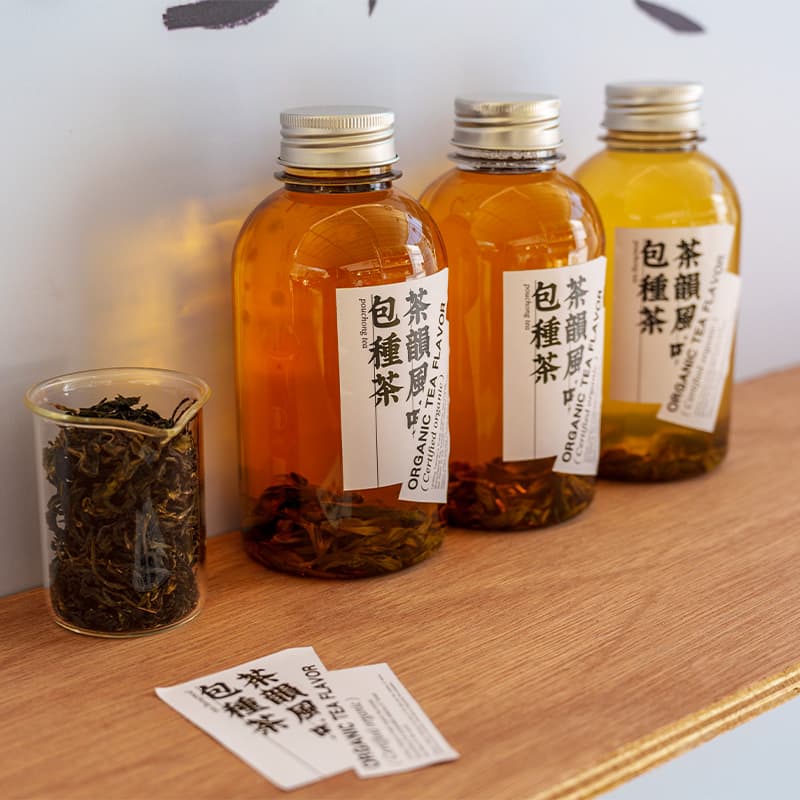 Oolong Tea
Taiwan has a wide variety of teas, with its people particularly skilled at producing oolong tea. Broadly, Taiwanese oolong tea has six main types, ranked from light to heavy fermentation: Paochong Tea, High-Mountain Tea, Dongding Oolong Tea, Tieguanyin Tea , Oriental Beauty Tea, and Red Oolong Tea.
- Paochong Tea
Lightly fermented, with Wenshan Paochong Tea being the most representative. Its taste is similar to green tea, with a fresh, elegant floral aroma, making it suitable for those who like refreshing tea flavors.
Mainly produced in Pinglin Districts, New Taipei City.
- High-Mountain Tea
Lightly fermented tea from tea-growing areas above 1,000 meters in altitude can be called High-Mountain Tea. Because of the misty clouds and short sunshine hours in the high mountains, the tea is smooth, not bitter, and has a long-lasting sweet aftertaste.
Main Production Areas: Alishan (Chiayi), Shanlinxi (Nantou), Lishan (Taichung), and Dayuling (Nantou).
- Dongding Oolong Tea
Medium fermented, mainly produced in Dongdingshan, Lugu Township, Nantou County. The tea is golden yellow with distinct aromas of wood and ripe fruit.
- Tieguanyin Tea
Medium fermented, mainly produced in the Muzha area of Taipei. It has a mellow, sweet taste with a delicate, slight fruity acidity in the finish. Because of its heavy roasting, it also has an aroma similar to roasted green tea.
- Oriental Beauty Tea
Also known as Pekoe Oolong tea, heavily fermented. The tea is amber to orange-red in color, mellow and full-bodied, with a honeyed, ripe-fruit aroma.
Main Production Areas: Beipu and Emei in Hsinchu; Toufen and Tongluo in Miaoli.
- Red Oolong Tea
Heavily fermented, mainly produced in Luye Township, Taitung. The tea has a color similar to black tea, but its flavor combines the floral, fruity, roasted, and honey aromas of oolong.
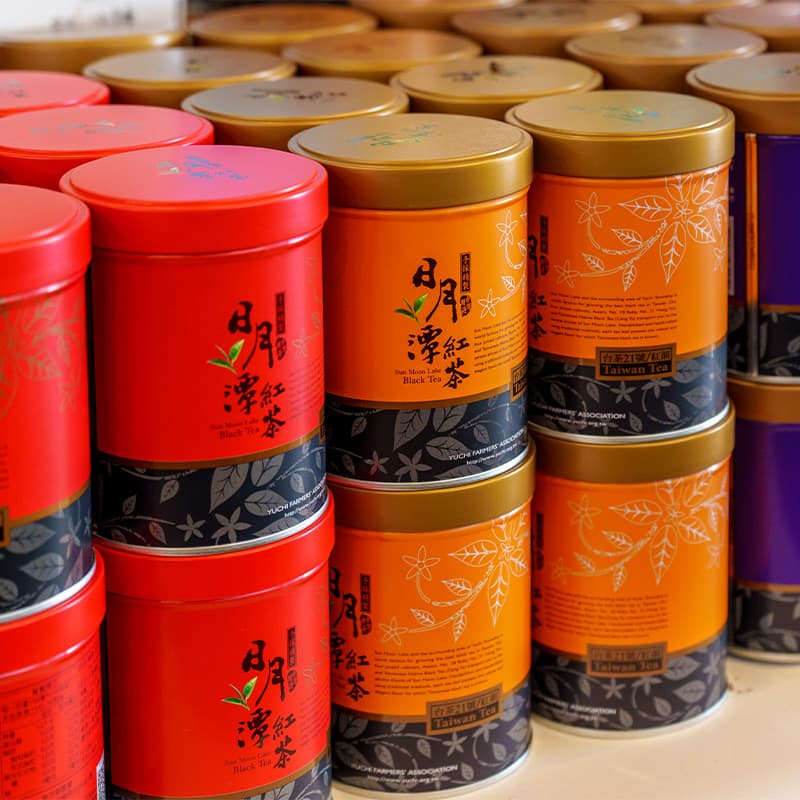 Sun Moon Lake Black Tea
Oolong tea is not the only famous tea in Taiwan. Sun Moon Lake black tea is also a favorite among many people and is available at major beverage shops.
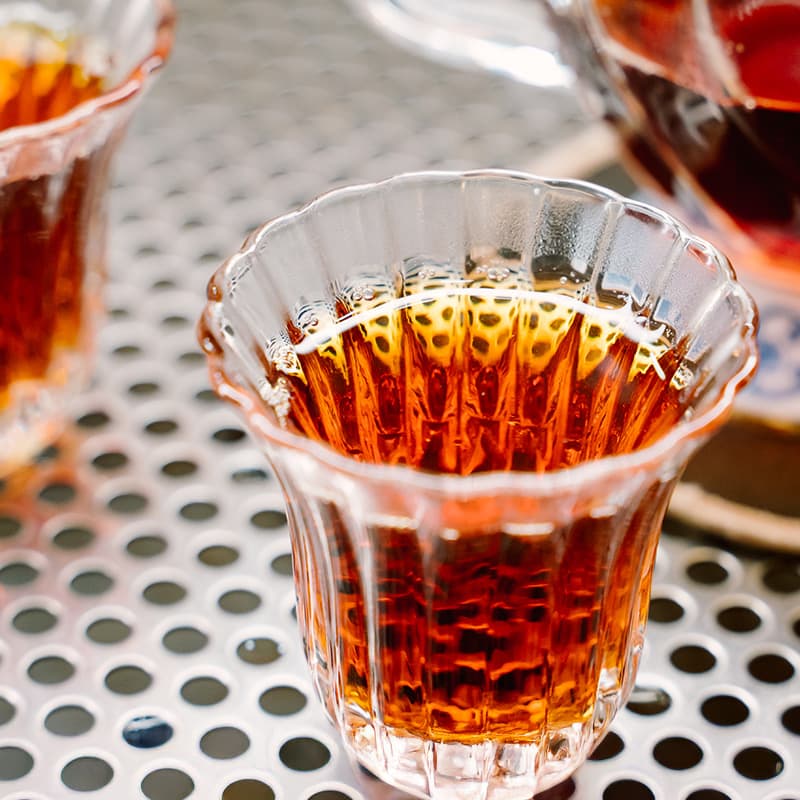 Honey-Flavored Black Tea
The tea leaves of honey-flavored black tea need to be sucked by "Small green leafhopper ," and then processed through withering, rolling, and other steps to make it. The golden-red tea has a faint natural honey aroma and is widely loved, with Ruisui Township in Hualien as a representative production area.
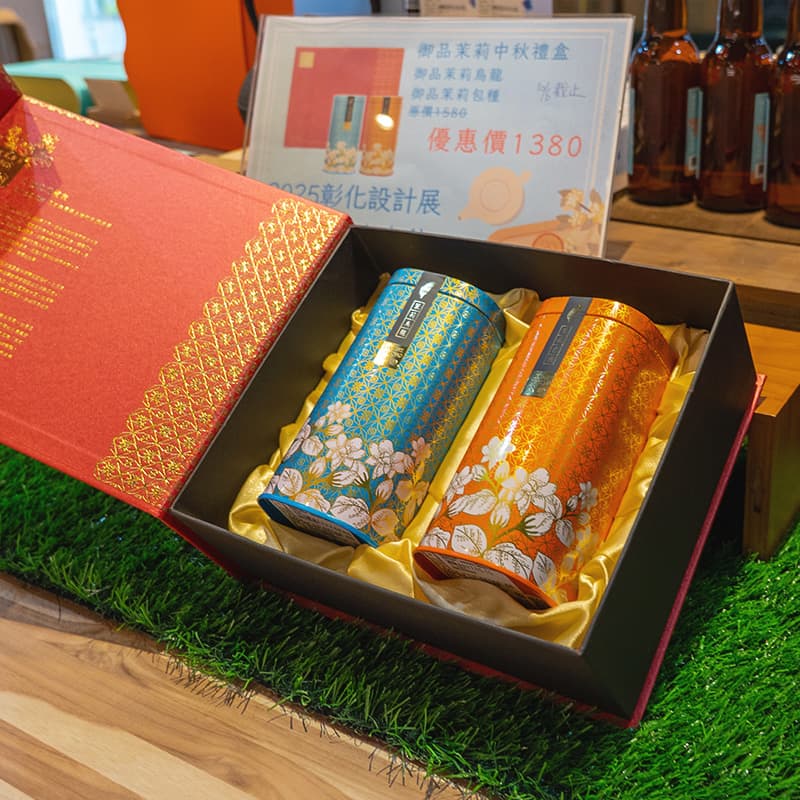 Jasmine Tea and Flower Tea
Flower tea has recently become a popular trend, with many producers investing in their development. They use environmentally friendly varieties such as loquat blossoms, roses, and jasmine flowers to create unique flavors in Taiwanese tea, with jasmine tea from Huatan Township in Changhua particularly representative. Jasmine tea is characterized by its fragrance, even without visible flowers, making it suitable for both hot and cold brewing. Besides canned tea leaves, tea bags are now also available for modern convenience.
Coffee & Craft Spirits
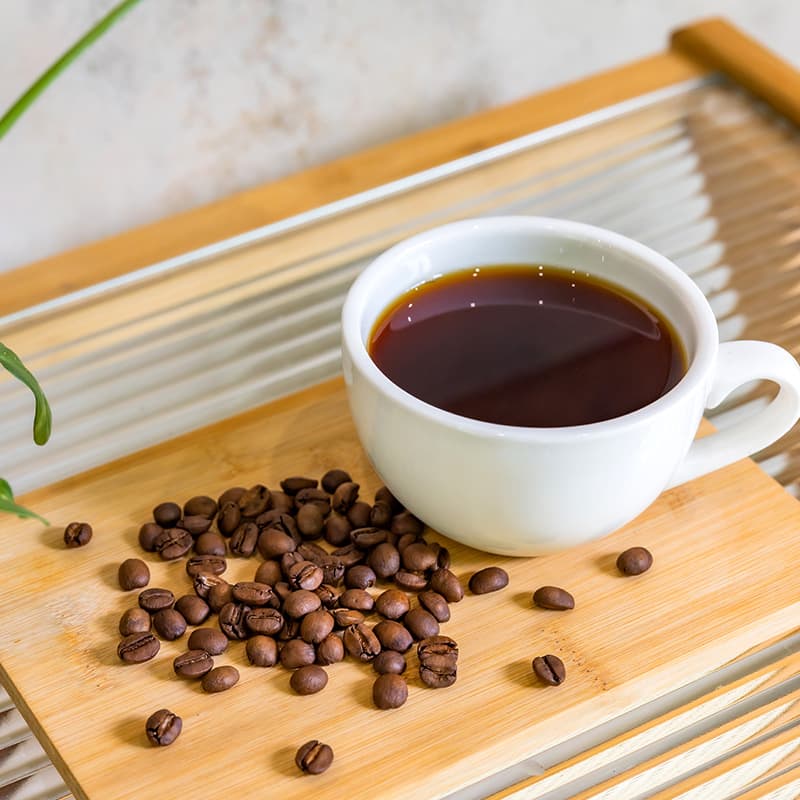 Specialty Coffee
Taiwan produces both tea and coffee. Well-known coffee-producing regions include Alishan in Chiayi, Gukeng in Yunlin, Dongshan in Tainan, Guoxing in Nantou, Pingtung, and Hualien. Coffee beans grown in these areas, processed using methods such as sun-drying, washing, or honey processing, and roasted using light, medium, and dark roasting techniques, all exhibit delicate, multi-layered flavors. Suggest enjoying coffee by hand-drip to appreciate its characteristics best. Drip coffee containers are also available for travelers' convenience.
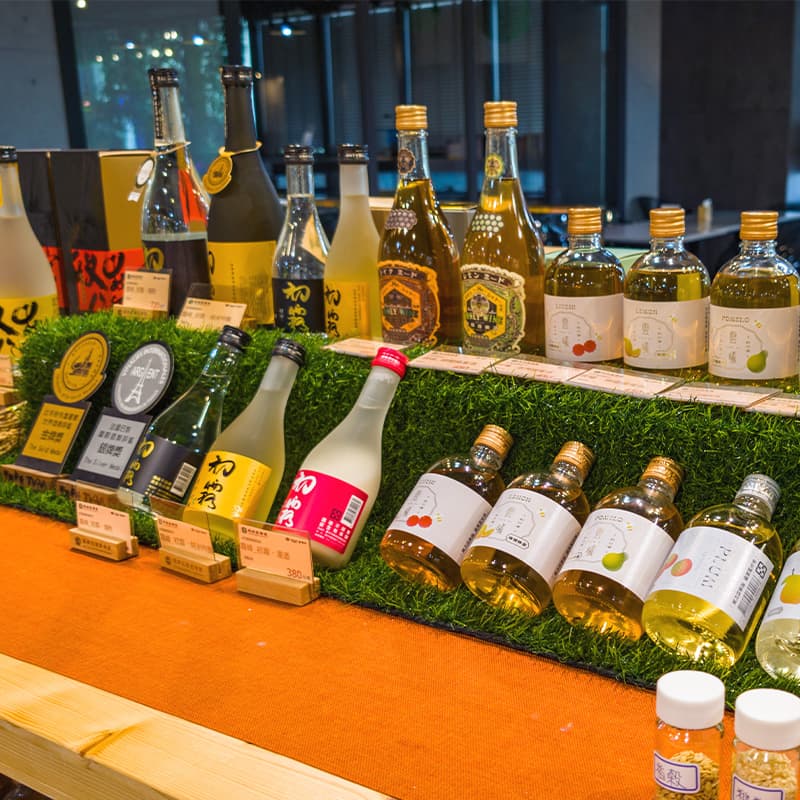 Rural Local Liquor
Taiwan has a diverse range of alcoholic beverages, with kaoliang liquors from Kinmen and Matsu renowned throughout the island. Besides traditional, well-known liquors, rural wineries and distilleries across the island offer liquors closely linked to local crops and food culture.
You can find craft beers, gins, and other liquors made with Taiwanese tea, flowers, fruits, and honey in various flavors. Suggest those who prefer a light buzz to explore farmers' association supermarkets, agricultural product exhibition centers, or wineries to discover the unique flavors of Taiwan.
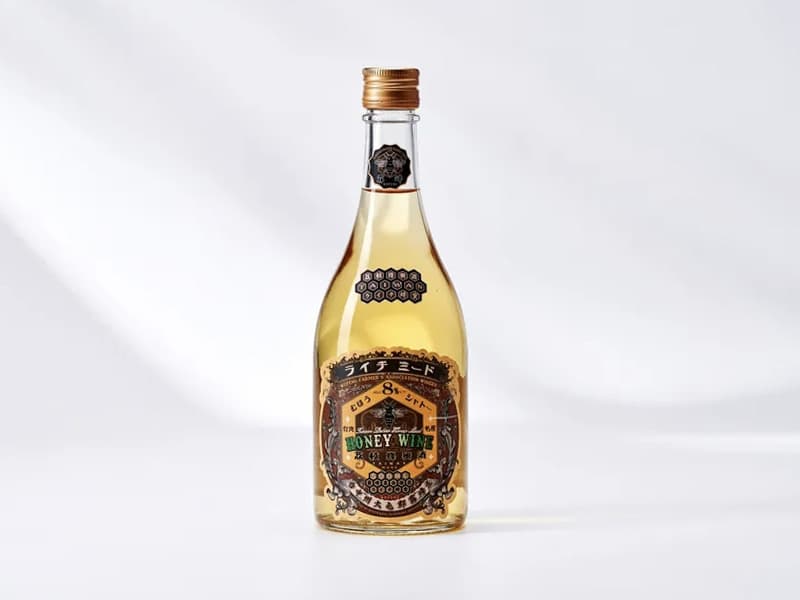 Lychee Honey Mead
Wu-Feng Farmer’s Association Distillery in Taichung City
Image Source: 天茶地酒
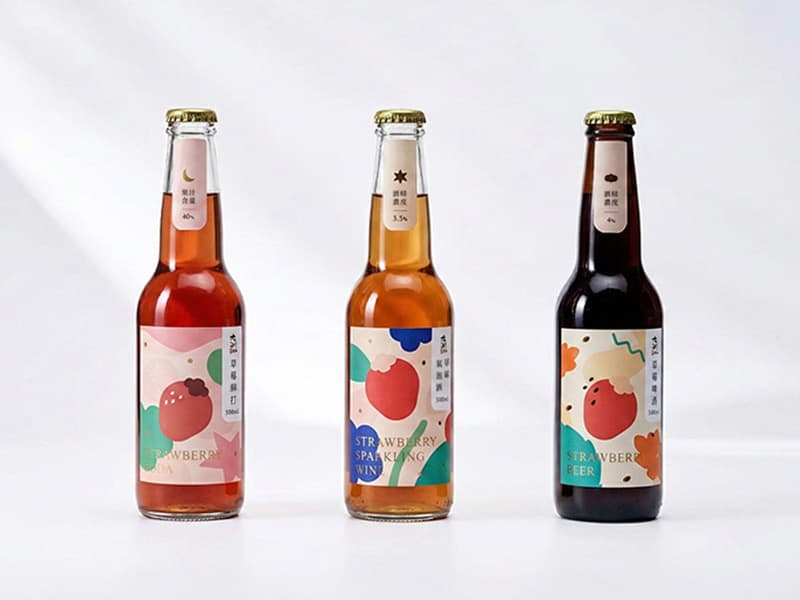 Strawberry Fermented Wine
Dahu Wineland Resort in Miaoli County
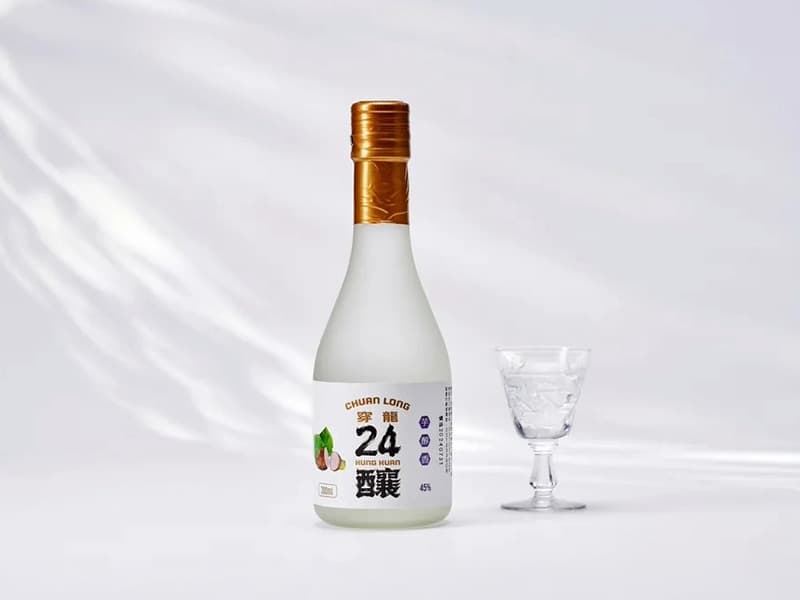 Chuan Long 24 Taro Liqueur
Gongguan Farmer’s Association in Miaoli County
Image Source: 天茶地酒
Where to Buy
- Farmers' Association Supermarket
Farmers' association supermarkets, operated by farmers' associations in various regions, offer not only fresh seasonal fruits and vegetables, but also high-quality seafood from local fisheries associations. Besides, they sell agricultural specialties from all over Taiwan, making them the best place to discover and purchase the delicious flavors of Taiwan. Some specialty products are only available at the local farmers' association. Next time you see a farmers' association supermarket sign on the streets of Taiwan, why not go in and have a look!
- Rural Charming Shop
Rural Charming Shop selects places with local elements and styles from all over Taiwan, including select shops, tea houses, coffee shops, and restaurants. In these shops, you can taste the flavors of the local terroir, experience the beauty of tea-making, oil-making, and coffee-roasting techniques up close, and purchase unique souvenirs.
 Google map