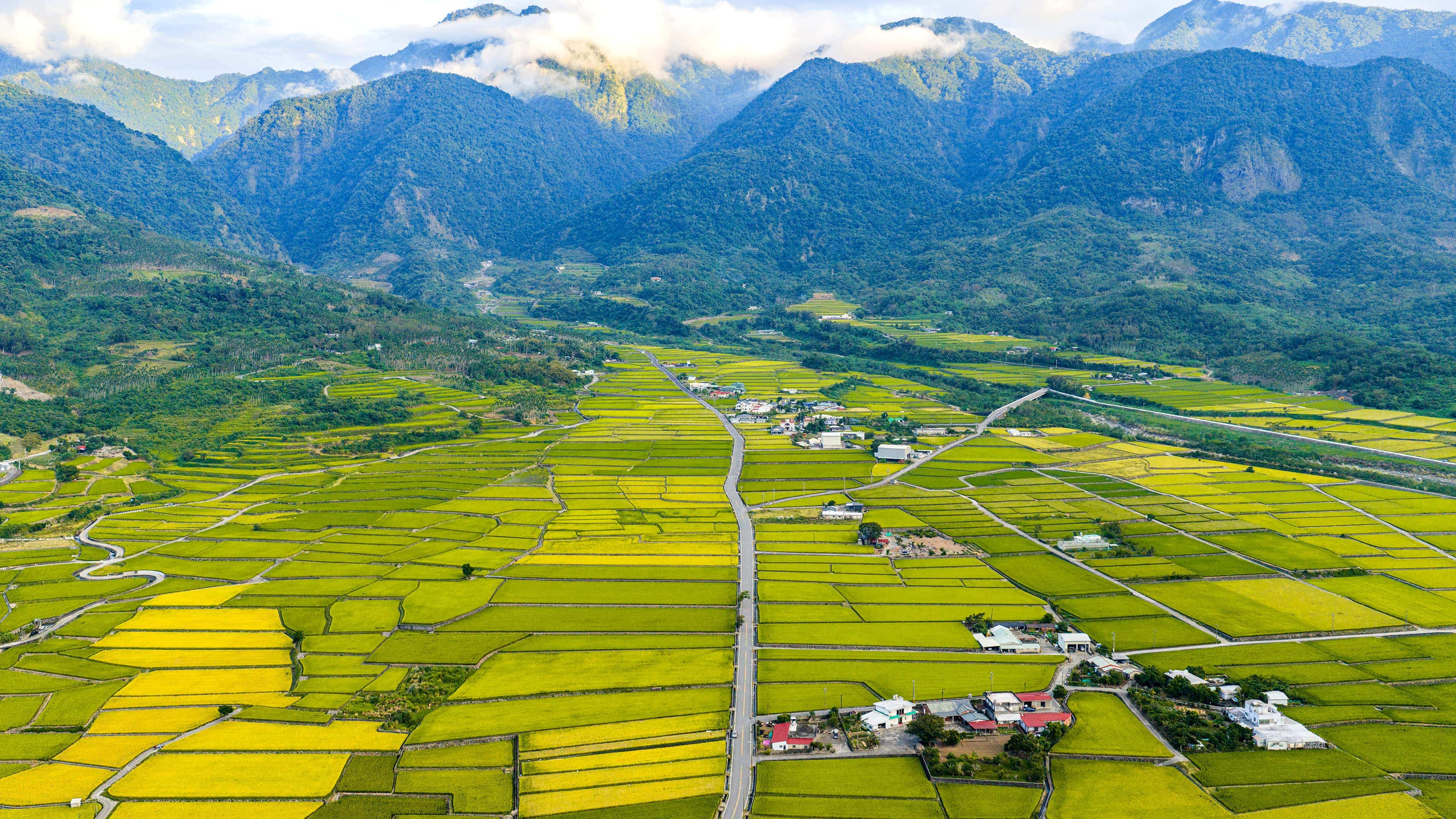
Taiwan offers more than just urban glamour or the bustling night markets—there is also a style of travel that brings you closer to local culture through agro-tourism. By stepping into rural communities, you will discover entirely different landscapes. Centering on four main themes—agriculture, forestry, fisheries, and animal husbandry—Taiwan's agro-tourism transforms seasonal lifestyles and natural ecology into engaging experiences. With designated areas and related certifications, visitors are allowed to explore farms, tea plantations, fishing villages, and ranches, try their hand at farming tasks and local cooking, and experience the simple joy of farm-to-table way of eating.
Taiwan’s legally designated leisure agriculture areas
 114Leisure Agriculture Area
A leisure agriculture area is a large-scale zone composed of multiple rural communities and pastoral natural landscapes, offering visitors opportunities to learn about local agriculture, fisheries, forestry, animal husbandry, industries, and culture.
 409Leisure Farm
A leisure farm is a farm certified by the Ministry of Agriculture that provides a variety of leisure agriculture experiential activities, such as shrimp catching, fruit picking, and firefly watching.
 102Tianmama
Tianmama is a brand promoted by the Ministry of Agriculture that uses local ingredients to create dishes with regional characteristics, allowing people to explore the stories of local industries through food.
 352Special Agro-Tourism Certified Spots
These are special agro-tourism certified venues that offer educational activities. Representing a guarantee of quality, they are excellent choices for experiencing leisure agriculture.
As of: 2026/03/09
Four themed experiences
Agriculture – savor the taste of the land
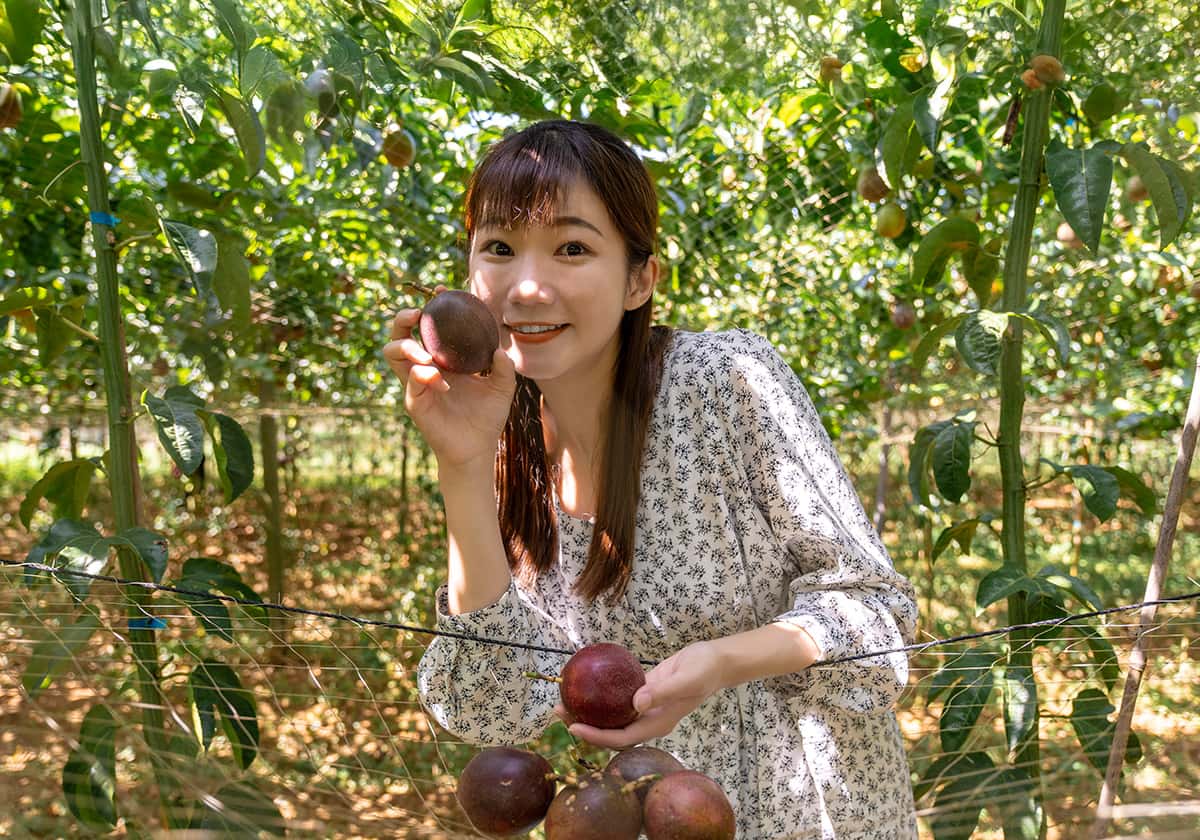
The most direct way to experience this land is through its seasonal flavors. From fruits and vegetables to tea and coffee, Taiwan is home to tourist farms and orchards across the island where you can try your hand at fruit picking and experience firsthand the simple joy of handcrafting and harvesting.
Fruit-picking experiences
Taiwan produces abundant fruit year-round: green plums from March to May, mangoes and pineapples from June to August; and persimmons, tangerines, and strawberries in autumn and winter. During these seasons, fruit-picking experiences and fruit-processing DIY activities organized by orchards and farms are highly recommended—you can make fruit vinegar, fruit wine, or dried preserves with your own hands and feel the joy of a bountiful harvest.More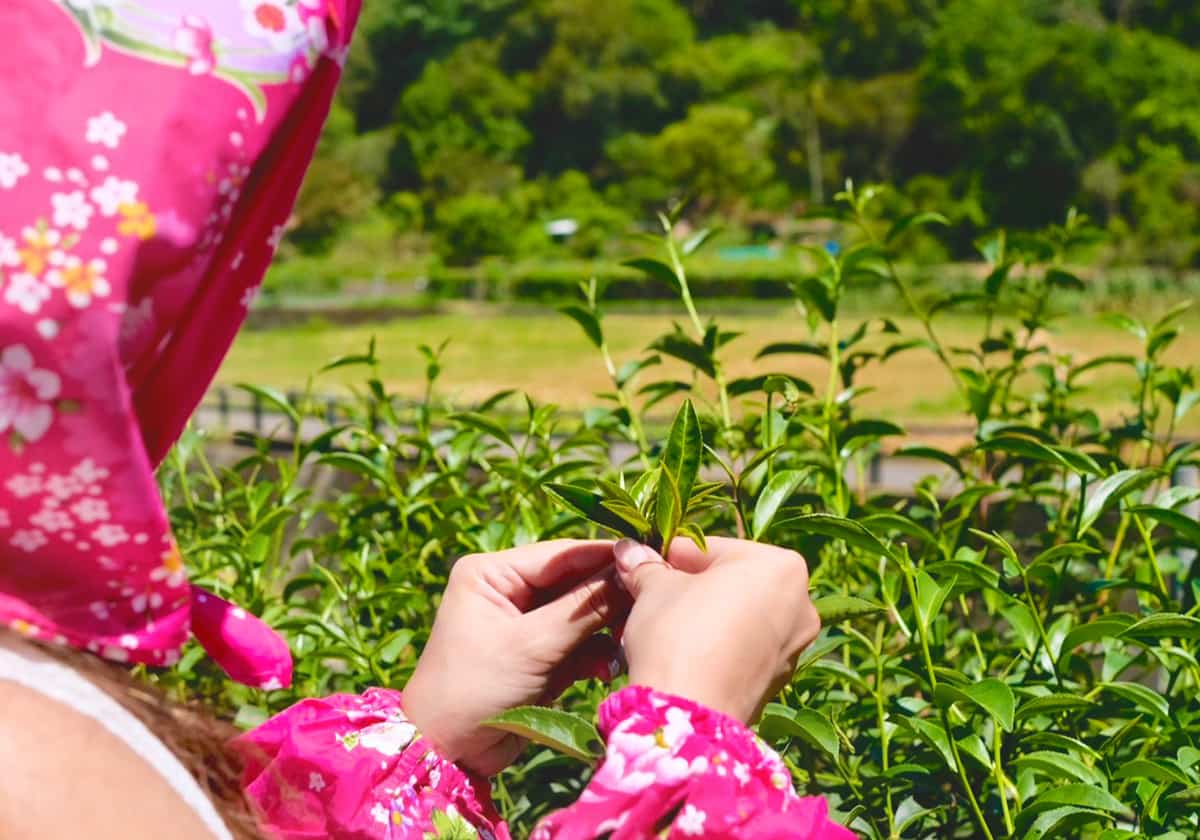
Tea ceremony and tea making
Taiwan is a tea-producing island where tea gardens can be found everywhere, from plains and hills to high mountains. At the historic tea factories of Sun Moon Lake, you can learn about black tea, blend your own tea bags, and learn about the tea flavor wheel; or visit the mist-shrouded Alishan tea plantations to learn tea picking, rolling, and roasting techniques, enjoying tea tasting in bamboo forests while savoring the refreshing natural surroundings.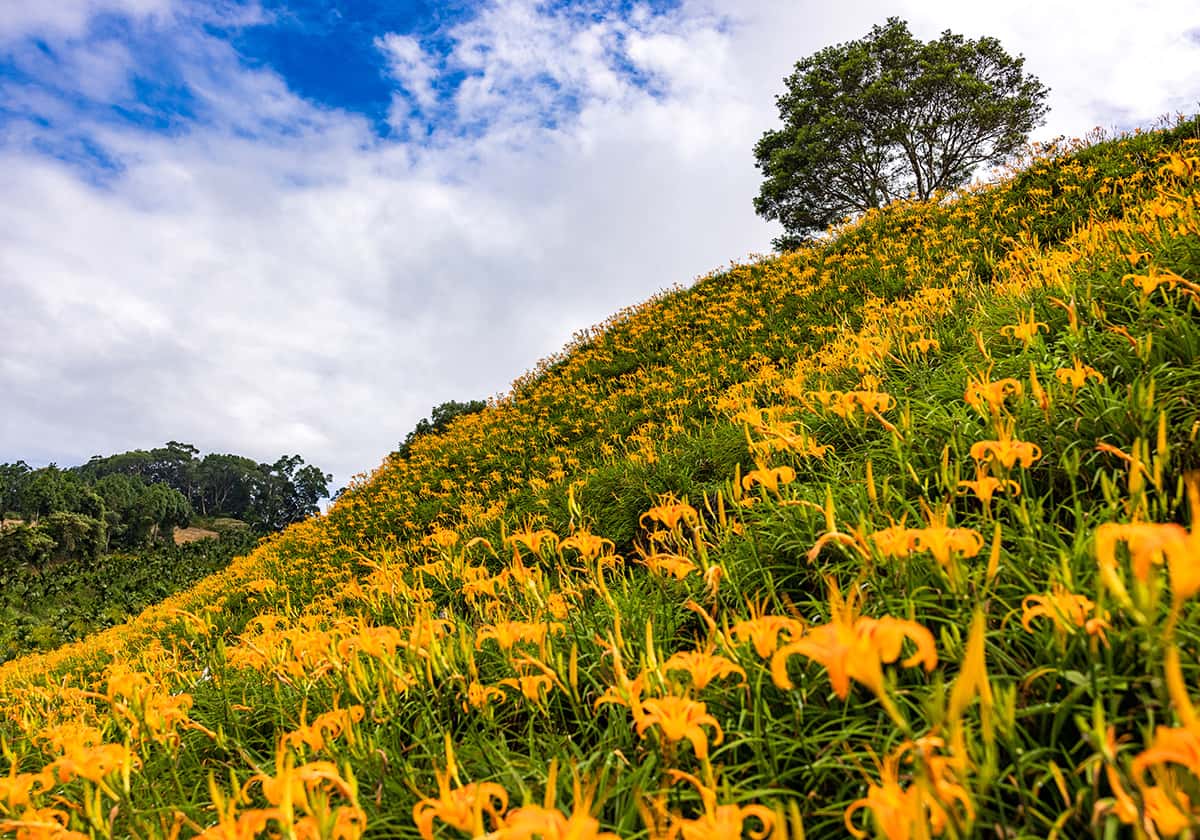
Enjoy the seasonal sea of flowers
Taiwan not only boasts diverse native flowers but has also introduced species from temperate and tropical regions, making blossom viewing possible all year round. The season begins in March with azaleas in Yangmingshan and the Taiwan International Orchid Show in Tainan. Summer from July to August brings lotus blossoms in Taoyuan’s Guanyin District and Tainan’s Baihe District. In August and September, the orange daylily (golden needle flower) of the East Longitudinal Valley colors the land golden. Next, autumn and winter feature silvergrass along the Caoling Historic Trail and plum blossoms in Tainan’s Meiling. No matter when you visit Taiwan, you can always find blooming flowers.More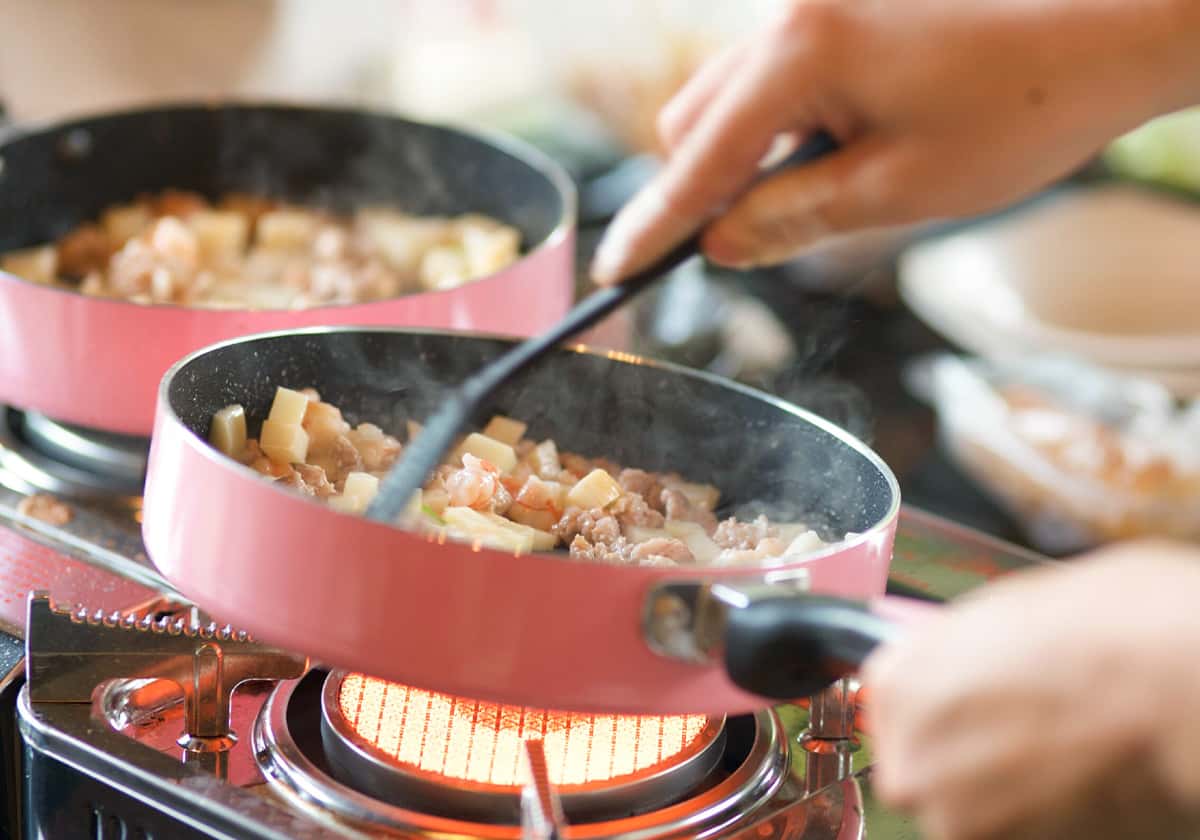
Rural kitchens
Taiwan’s rural kitchens offer more than cooking lessons—you can go into the fields to pick scallions, pull radishes, dig up bamboo shoots, milk cows, or roast longans. Step onto farmland to truly appreciate the dedication and hard work of farmers, and learn about the farm-to-table journey through freshly gathered ingredients used in cooking.
Fisheries – feel the vitality of the ocean
Surrounded by the sea on all sides, Taiwan is blessed with abundant marine resources brought by ocean currents. In addition to harbor delicacies and seasonal seafood, there are unique fishing village cultures and experiences such as fishing, shrimp catching, and whale watching.

Fishing village culture – Benghuo, spearfishing for swordfish, and stone weirs
From June to September each year, fishermen in Jinshan on the North Coast head out to sea and use sparks from calcium carbide to attract fish, creating a unique spectacle of fire on the water. This fishing method, known as Benghuo (Sulfuric Fire Fishing), is a cultural heritage of Taiwan’s fisheries.
In autumn, fishermen in Chenggong Township, Taitung, stand at the bow with spears to battle rough waves and swiftly harpoon fast-swimming swordfish. This traditional fishing technique, now on the verge of disappearing, demonstrates the resilience and vitality of those who make their living from the sea.
On the outlying Penghu Islands, ancient stone weirs—built with the wisdom of early settlers—remain intact. They have become landmarks of Penghu and wonderful places to learn about local fishing culture.
Whale and dolphin watching
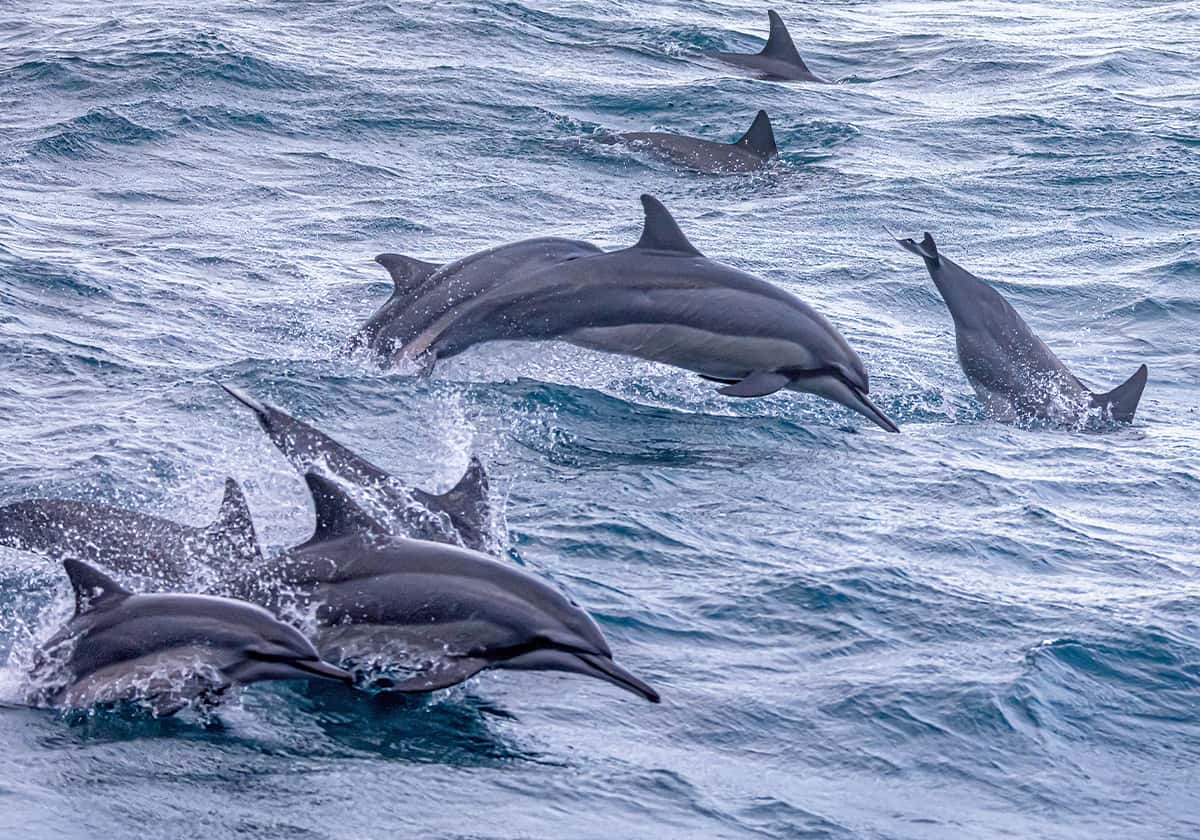
Taiwan’s eastern coast is traversed by the warm Kuroshio Current, a marine expressway for migratory fish that attracts many whales and dolphins to feed. The peak season for whale watching is from May to September, when visitors to Yilan, Hualien, and Taitung can take boats out to sea to witness these graceful creatures.
Fishing, shrimp catching, and rafting through oyster farms
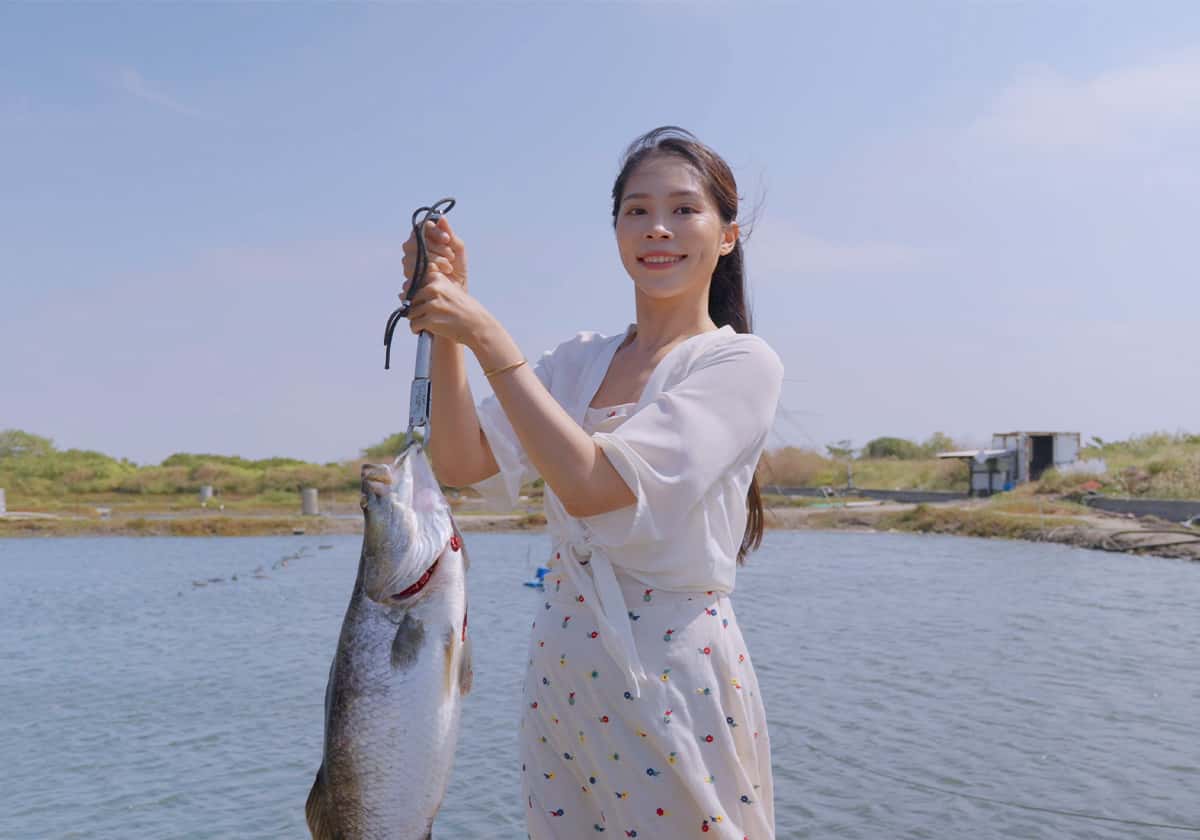
Western Taiwan is renowned for aquaculture products such as oysters, clams, milkfish, and white shrimp. In winter, mullet roe drying begins. By combining industry with recreation, visitors can participate in activities like shrimp fishing, rafting through oyster farms, and grilling fresh oysters on site, to fully enjoy the fun side of Taiwan’s fisheries.
Forestry – mountain culture and hiking
Located at the junction of two tectonic plates, Taiwan features plains, hills, plateaus, and 268 mountains over 3,000 meters high. You can hike up Taiwan’s mountains to explore its natural beauty or visit historic sites to witness the past glory of forestry.
Forest railways and forestry history
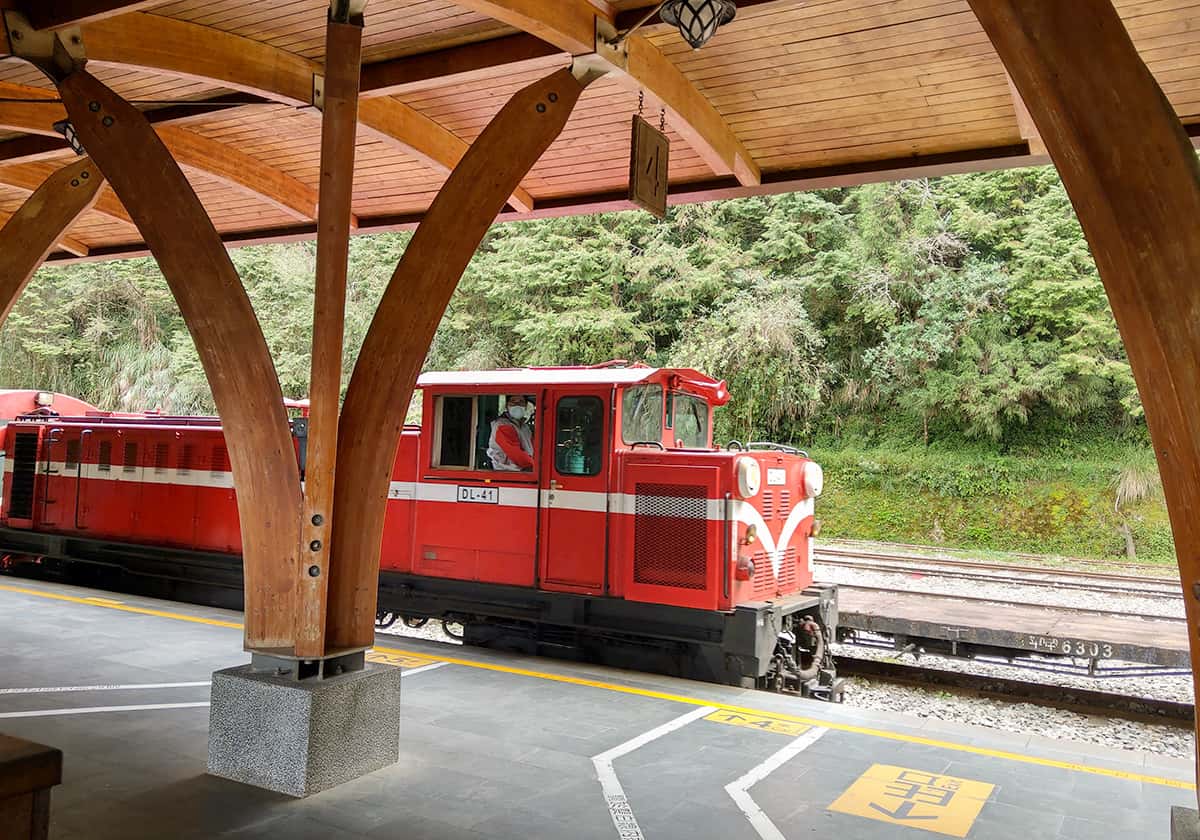
Of the three major forestry stations developed under Japanese colonial rule, the Alishan Forest in Chiayi and Taipingshan Forest in Yilan still retain their forest railways, which have witnessed the past glory of forestry. The classic Alishan train showcases late 19th-century mountain railway engineering, while Taipingshan preserves a section of track where visitors can ride the Bong Bong Train from Taipingshan Villa to Maoxing Station to discover the beauty of the forest.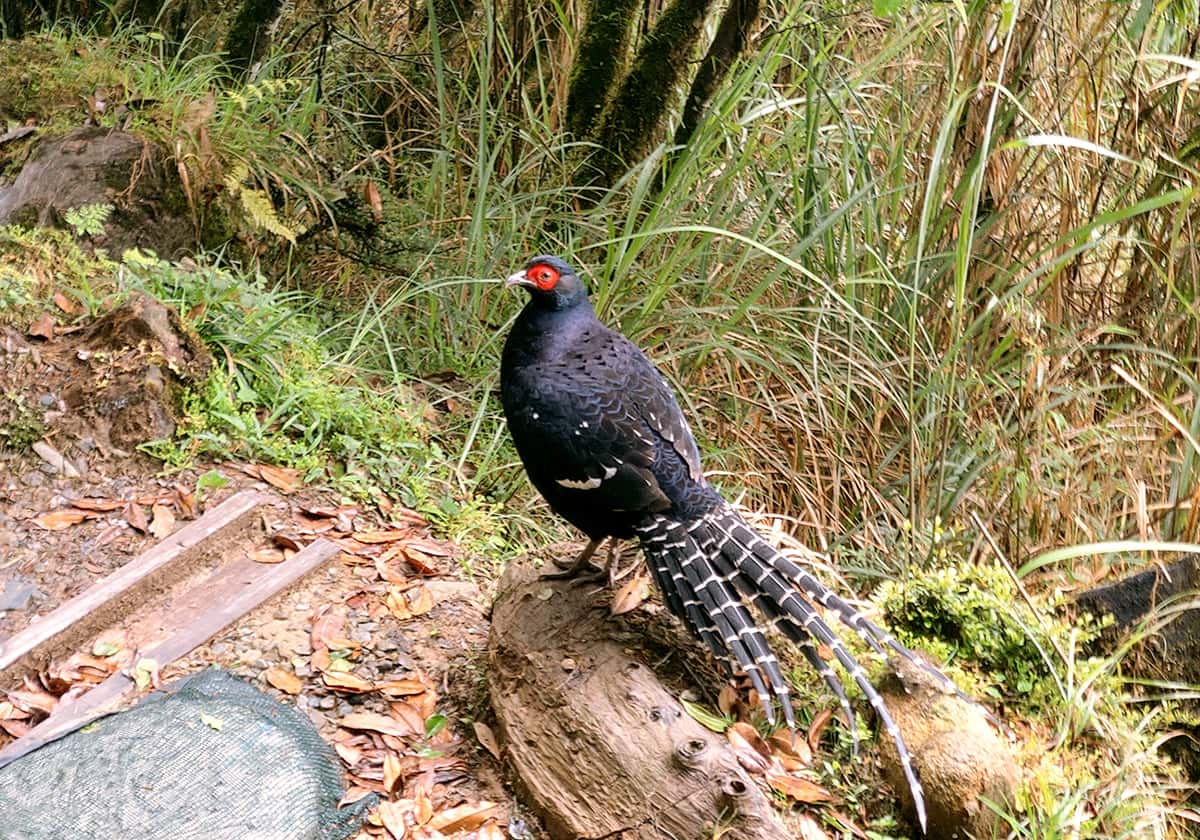
Mountain ecology
Taiwan’s mountains host a wide range of ecosystems, from tropical and temperate, to polar. Witness uplifted coral reefs at Kenting National Forest Recreation Area in Pingtung to understand the evolution from seabed to land. Appreciate broadleaf forests and buttress-root plants at Manyueyuan National Forest Recreation Area in New Taipei. Ascend to higher altitudes such as Qilan in Yilan and Alishan in Chiayi to see towering cypress trees and ferns nurtured by the cloud forests—you may even encounter the Mikado pheasant and Swinhoe’s pheasant, making them destinations well worth exploring.
Trail hiking
Many Taiwanese cities are surrounded by mountains and feature well-equipped trails for residents and visitors. In Taipei, you can take the MRT to Xiangshan to overlook the stunning Taipei 101 by day or night. For different scenery, the Caoling Historic Trail in Gongliao, New Taipei, is recommended in autumn for silvergrass, while Chiayi’s Taiping Sky Bridge and Yunzhinan Trail offer misty tea plantation landscapes.More
Husbandry – learn about raising animals
Tourist ranches and leisure farms across Taiwan allow close interaction with charming animals such as cows, goats, ducks, geese, and chickens—an enjoyable way for visitors of all ages to experience Taiwan.
Ranch tourism
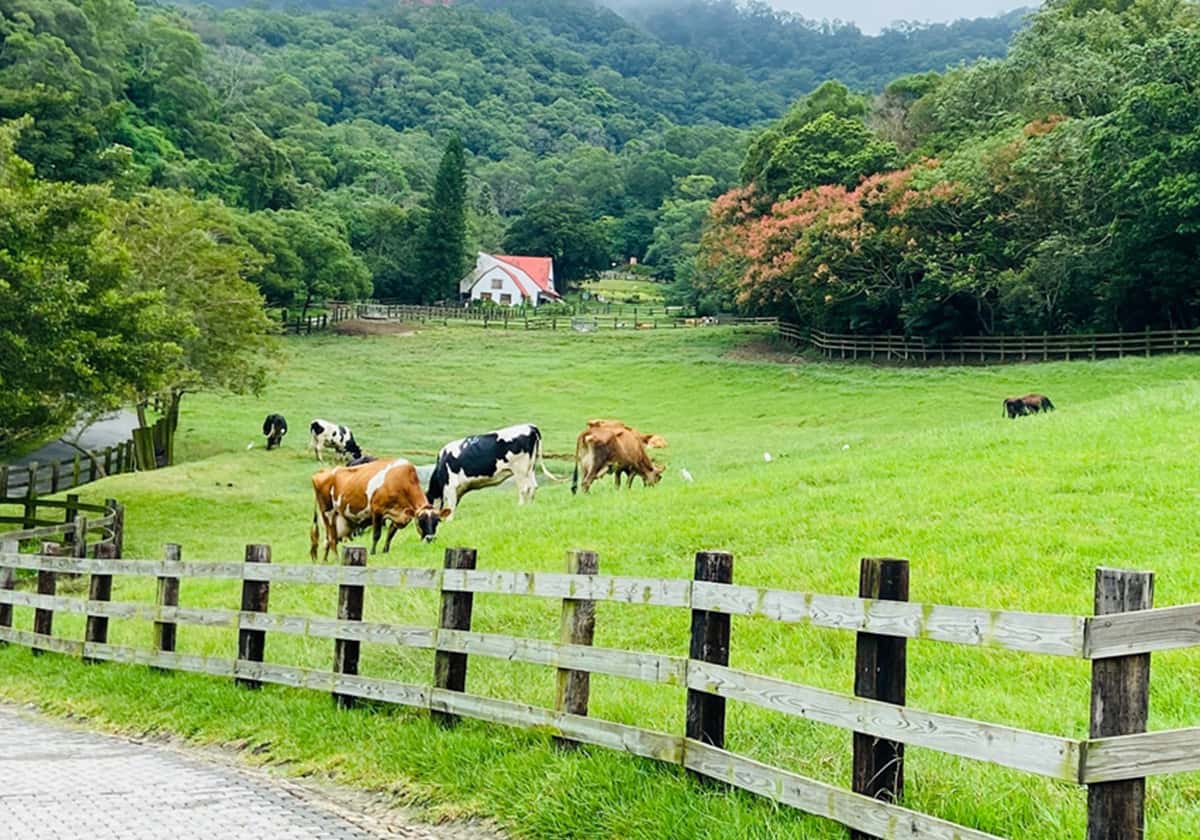
Taiwan’s livestock industry is thriving. At Flying Cow Ranch in Miaoli, Hwayi Farm in Kaohsiung, Rareseed Ranch in Hualien, and Chulu Ranch in Taitung, visitors can get close to cattle and sheep and enjoy beautiful grassland scenery. Some ranches and farms also offer guided tours of cowsheds and sheep pens, allowing visitors to learn about the lives of the animals.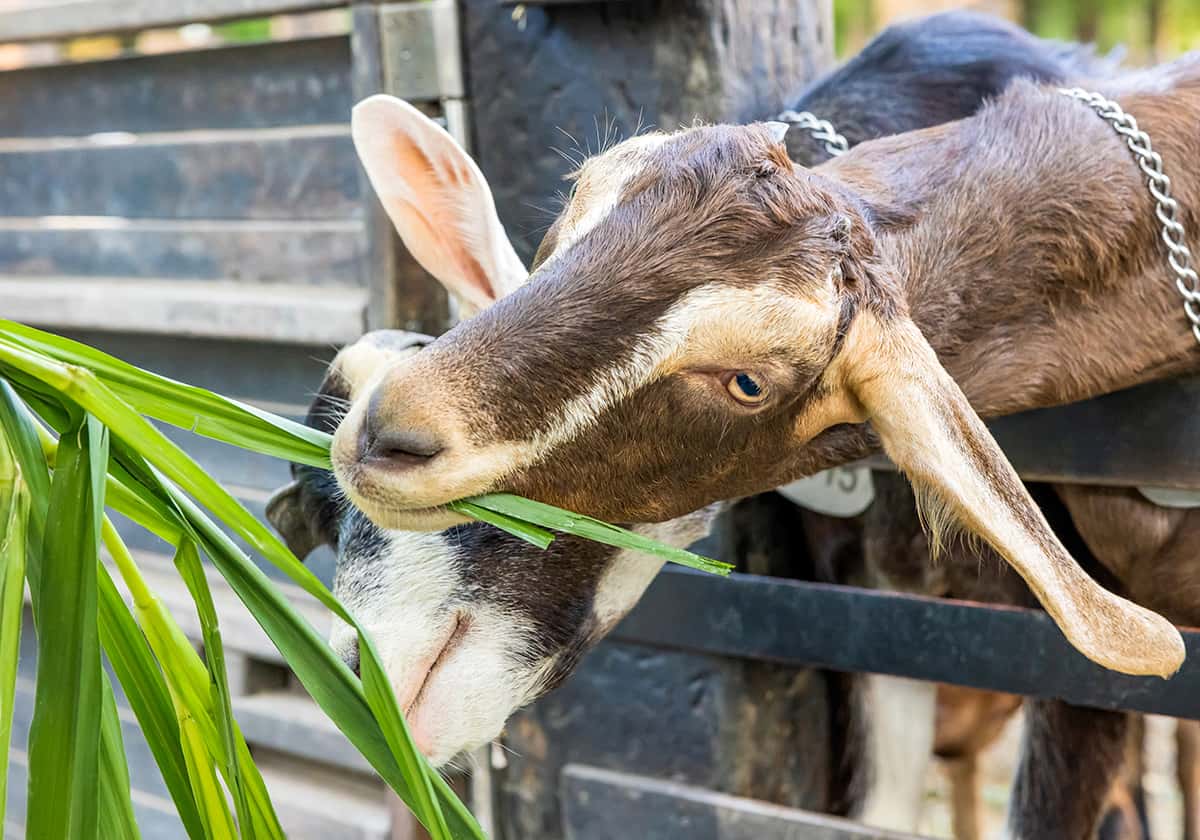
Animal interaction
A highlight of ranch visits is feeding and interacting with animals at close range. Besides cows and sheep, you may also visit poultry farms with chickens, ducks, and geese, learning about animal habits through feeding sessions and guided tours—an ideal activity for families.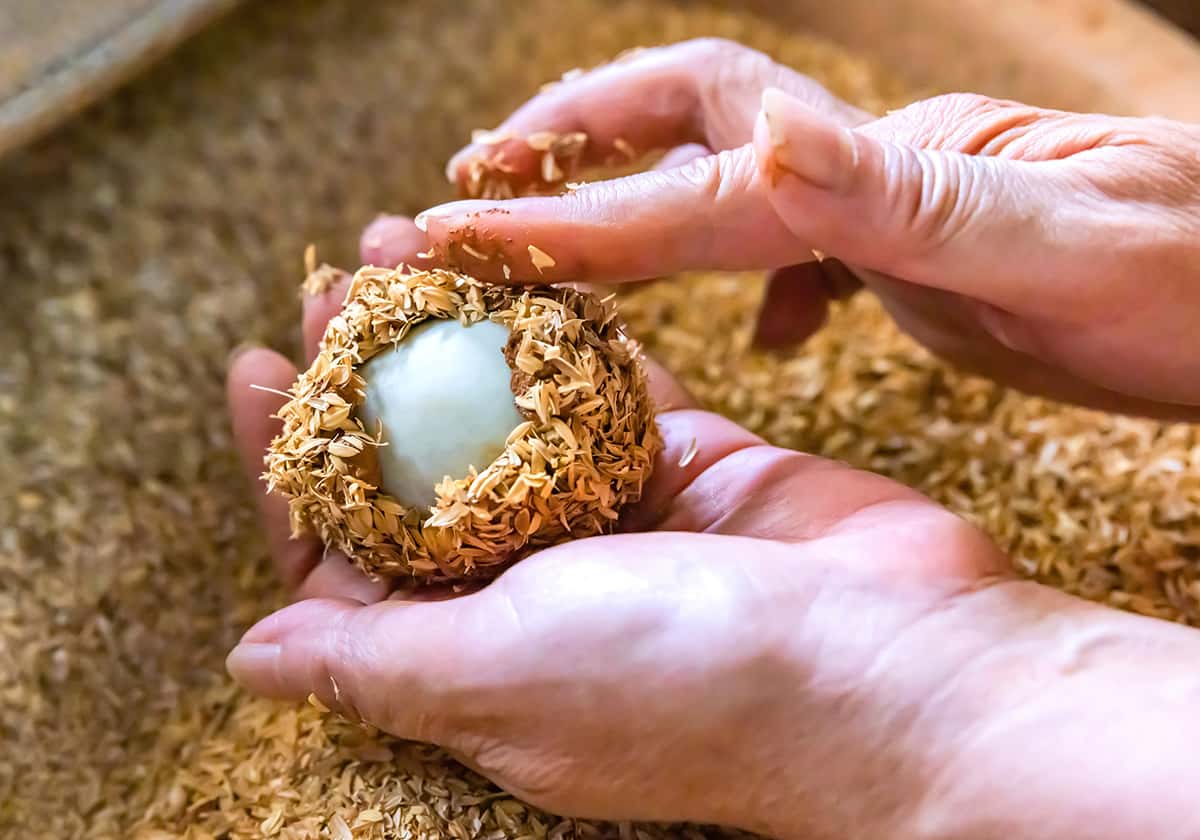
Hands-on experiences
Some ranches and farms provide DIY workshops where you can use fresh milk to make desserts and dishes, or join duck egg processing activities to learn how salted eggs—common in Taiwanese cuisine—are made. These fun hands-on activities reveal the diversity of Taiwan’s livestock industry.
Selected Recommendations
Taiwan offers a wide variety of agro-tourism experiences. We have carefully selected agro-tourism spots under three major themes—marine and sustainability, tea and cuisine, and local cultural experiences—to take you on a journey across Taiwan from north to south!
Marine and Sustainability

- Gongliao District, New Taipei City
- Maoao Bay (Maoao Community)
- Maoao Bay is located on Taiwan’s northeast coast. It is a small harbor settlement with over a century of history, preserving intact stone houses, the traditional fishing village lifestyle, and the unique culture of female divers. Local residents make a living by farming abalone and collecting seaweed and jelly weed. Visitors can join experiential activities to make gelidium jelly, learn about the female divers; or explore this tranquil fishing village on their own, with the possibility of also visiting nearby attractions such as the Magang intertidal zone and Sandiaojiao (Cape Santiago) lighthouse to enjoy the stunning coastline.
- Visitors are recommended to rent or charter a car to get there.
- Opening Hours:
- Open 24 hours; opening hours of some shops in Maoao vary.
- Maoao Community Development Association Facebook PageGoogle Map
- Kouhu Township, Yunlin County
- Jinhu Leisure Agricultural Area
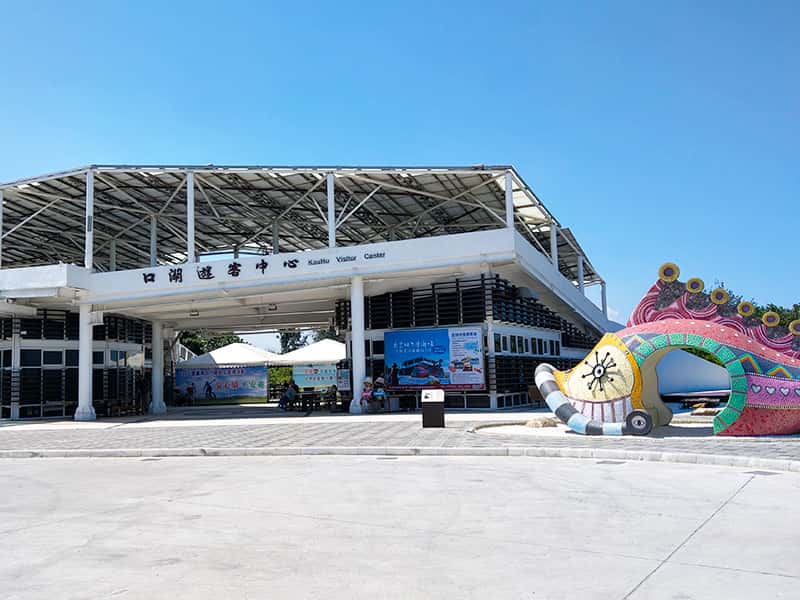
- Jinhu Leisure Agricultural Area is located in Kouhu Township, Yunlin County, featuring rich wetland landscapes. Residents in the area make a living through aquaculture and environmentally-friendly farming. They also actively work to restore Taiwan’s native clam, Geloina erosa. Visitors can cycle through the wetlands to watch migratory birds and observe mangrove ecology, step into the water to experience fishermen’s daily life by catching clams and shrimps, or view the spectacular scene of mullet roe drying in winter, deeply appreciating the farm-to-table philosophy and harmony of coexisting with the environment.
- Experiential activities must be booked in advance.
- Jinhu Leisure Agricultural Area is located within the Kouhu Visitor Center.
- Take the Taiwan Tourist Shuttle–Yunxi Route (Y03) and get off at Kouhu Visitor Center.
- Jinhu Leisure Agricultural Area Facebook PageBooking a TripGoogle Map
- Hualien City, Hualien County
- Turumoan Whale Watching Company
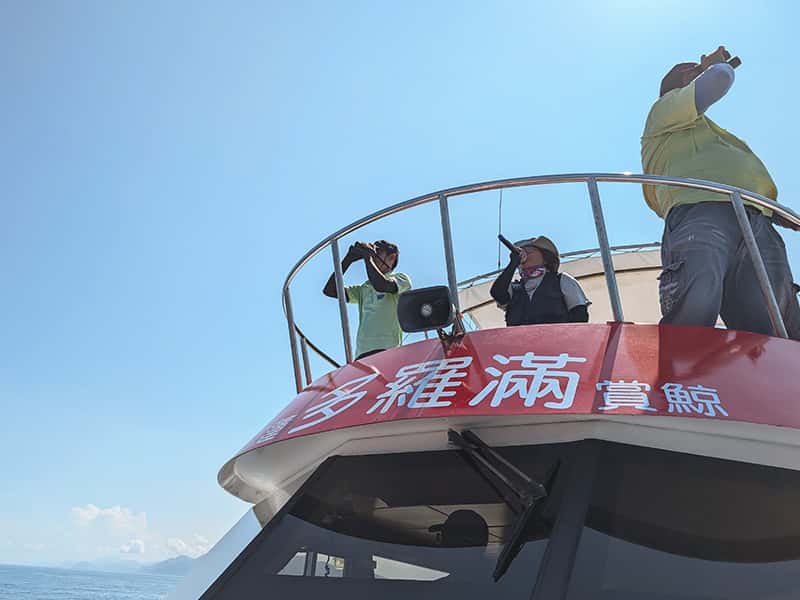
- Turumoan Whale Watching Company has long collaborated with the Kuroshio Ocean Education Foundation, integrating marine education and academic research into its tours. Upholding the whale-watching principles of “no chasing, no disturbance, no encircling,” and accompanied by guides from the Kuroshio research team, visitors can explore the rich ecology of the Pacific Ocean while respecting the habitats of wildlife.
- Guided tours in English are available.
- Buses are available from Hualien Bus Terminal with limited services. Renting a car or taking a taxi is recommended.
- Booking a TripGoogle Map
- Magong City, Penghu County
- Dongfu Marine Recreation Co., Ltd.
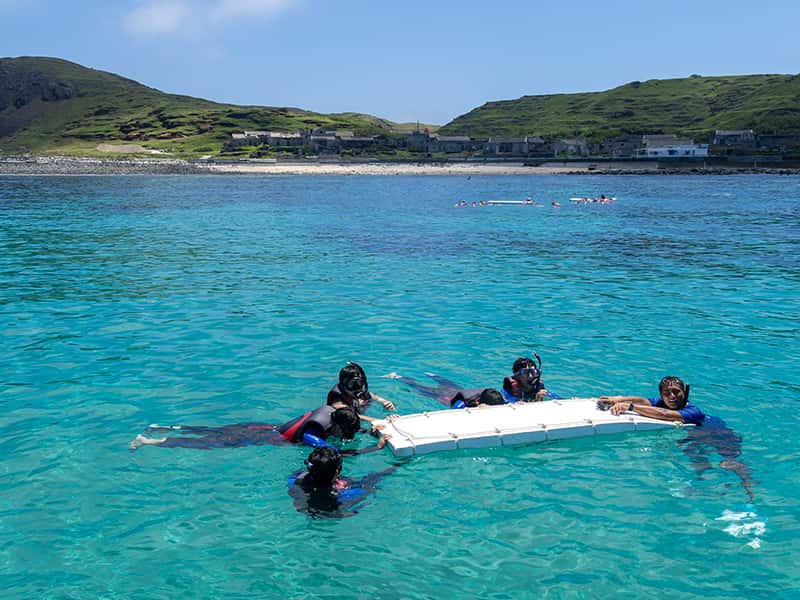
- Focusing on eco-tourism and low-carbon travel, the company guides visitors to explore Penghu’s fishing village culture and marine ecology. They have obtained the 2024 Good Travel Seal Level 2 Certification. Promoting snorkeling and diving without the use of sunscreen, dive suits are used to provide physical sun-protection while visitors explore the underwater world and discover the spectacular coral landscape of the South Penghu Marine National Park.
- Booking a TripGoogle Map
Tea and Cuisine
- Shilin District, Taipei City
- MeiG Leisure Farm
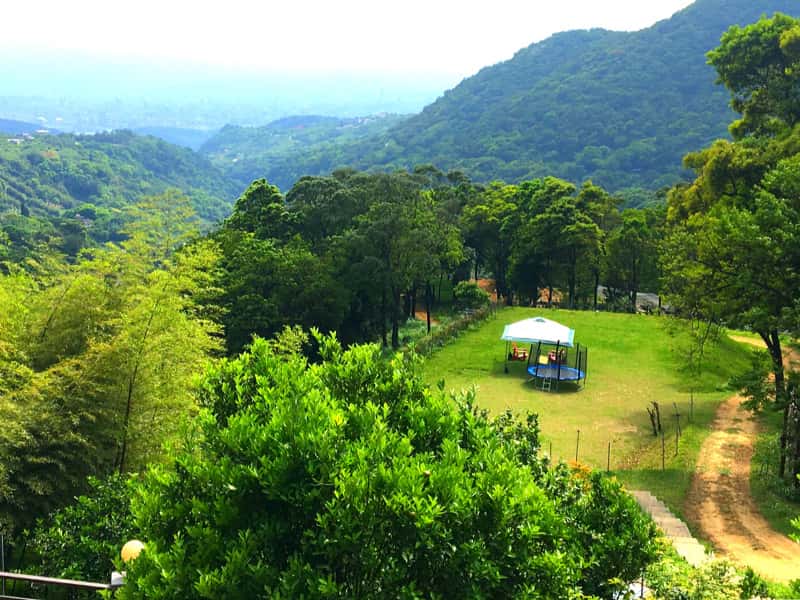
- nsive views overlooking Taipei 101 and Songshan Airport. The farm specializes in vegetarian cuisine made with seasonal, self-grown ingredients. They also offer rural kitchen experiences. Visitors are guided into bamboo groves or citrus orchards to listen to stories, gather ingredients, and create innovative vegetarian dishes by hand, allowing deep immersion in Taiwan’s mountain lifestyle through hands-on experiences and interaction with the farm owner.
- Guided tours in English are available.
- The "Farm Kitchen" experience requires a minimum of 2 participants.
- Visitors are recommended to rent or charter a car to get there.
- Opening Hours:
- 09:30-17:00, closed on Mondays and Tuesdays.
- Booking a TripGoogle Map
- Xizhi District, New Taipei City
- Natural Tea Manor
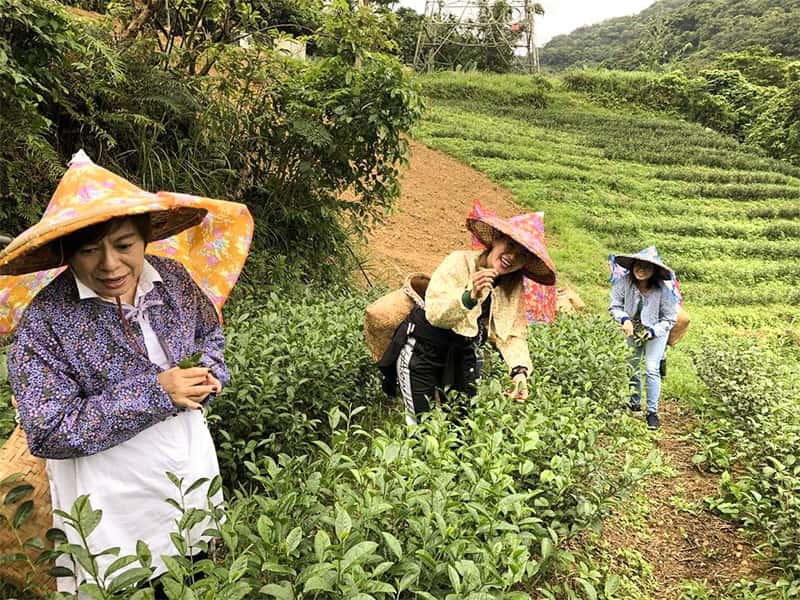
- Surrounded by lush greenery, Natural Tea Manor has been producing tea since the Qing Dynasty. It is not only a century-old tea house but also a restaurant that integrates agricultural education with tea-infused cuisine. It offers experiential activities from tea garden tours and tea picking to tea making, allowing visitors to experience every step of tea production. The tea house has also developed a delicate, mildly sweet black tea soy milk, which was awarded one star at the 2024 Great Taste Awards in the UK.
- Guided tours in English are available.
- Buses are available from Nangang Railway Station with limited services. Renting a car or taking a taxi is recommended.
- Opening Hours:
- 11:00-14:00, 17:00~21:00, closed on Mondays and Tuesdays.
- Booking a TripGoogle Map
- Lugu Township, Nantou County
- YEN'S Tea Garden
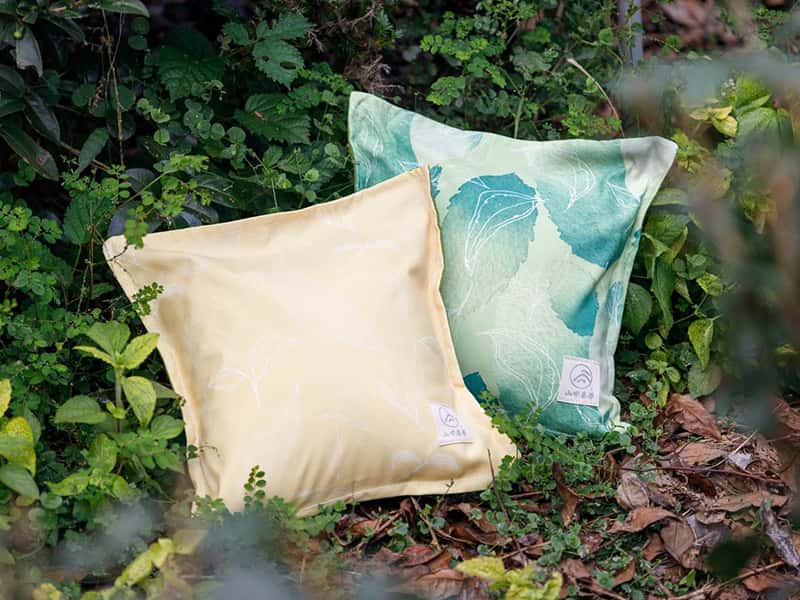
- YEN'S Tea Garden is located in Lugu Township, a well-known tea-producing area in Nantou. Its improved tea-scented pillow has won design awards in the UK, France, and the US. To help more people understand Taiwan’s tea industry, they have developed a series of tea experiences: Visitors can taste three kinds of fine Lugu teas, turn their favorite flavor into tea bags, send a tea-scented postcard to themselves or friends, or become a tea picker and maker for a day to appreciate the efforts poured into making a cup of fine tea.
- Guided tours in English are available.
- Experiential activities must be booked in advance.
- Visitors are recommended to rent or charter a car to get there.
- Opening Hours:
- 09:00~17:00.
- Booking a TripGoogle Map
- Beimen District, Tainan City
- Chang-Ying Seafood House
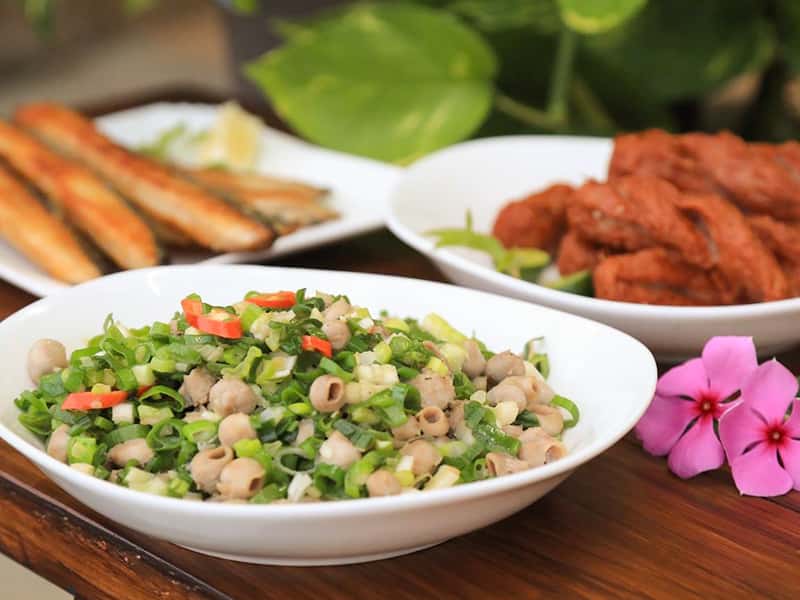
- Chang-Ying Seafood House has received the Michelin Bib Gourmand recommendation for four consecutive years. Using only toxin-free, farmed milkfish, they offer delicious dishes made with carefully deboned milkfish that diners can enjoy carefree. Ecological tours of aquaculture offer visitors a chance to learn about integrated multi-trophic aquaculture, observe fish pond ecology, and even fish for giant groupers, allowing visitors to uncover the secrets behind tasty ingredients through fun experiences.
- Buses are available from THSR Chiayi Station or Tainan Railway Station.
- Opening Hours:
- 11:00 ~17:00 on Saturdays and Sundays
- Booking a TripGoogle Map
Local Cultural Experiences

- Sanyi Township, Miaoli County
- Zhuoye Xiaowu Homestay
- Located in Sanyi Township, Miaoli—a Cittaslow—Zhuoye Xiaowu Homestay features the nostalgic atmosphere of early Taiwanese rural life. Incorporating the traditional craft of indigo dyeing, experiential activities of planting indigo, making dye, and producing indigo-dyed craftworks fully showcase the craft that is deeply rooted in Hakka culture. Visitors can create their own indigo craftworks using tie-dye techniques.
- Guided tours in English are available.
- Visitors are recommended to rent or charter a car to get there.
- Booking a TripGoogle Map
- Toucheng Township, Yilan County
- Toucheng Leisure Farm
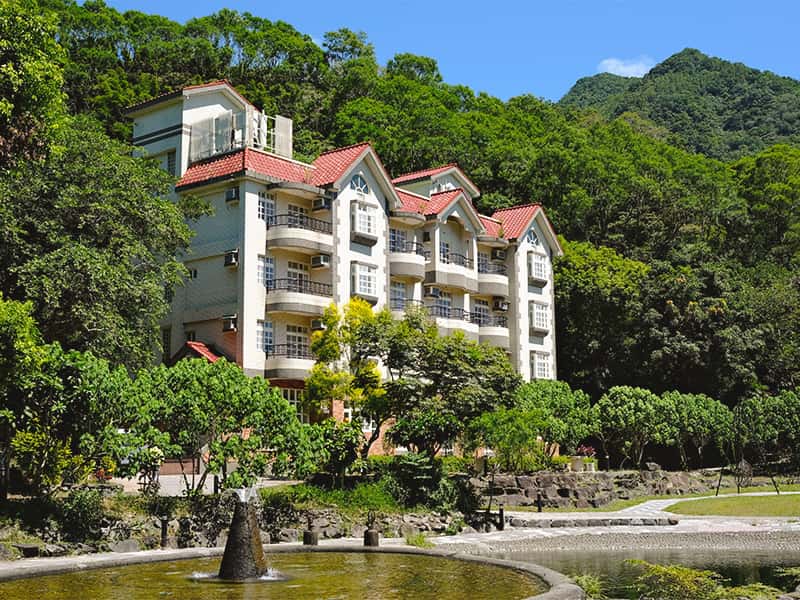
- Rich forest and river ecology can be observed here. Visitors can walk along trails to the viewing platform overlooking Guishan Island and the vast Pacific Ocean. The farm is committed to promoting organic agriculture and environmental education. Visitors can try their hands at fruit picking, leaf rubbing on tote bags, and plant gathering. Hands-on rice seedling transplant activities are offered in the rice culture display zone, offering visitors a chance to learn about the traditional rural lifestyle through farming and guided eco-tours.
- Guided tours in English are available.
- Muslim-friendly environment.
- Paid shuttle service from the farm to Guishan Railway Station is available on weekdays.
- Booking a TripGoogle Map
- Yilan City, Yilan County
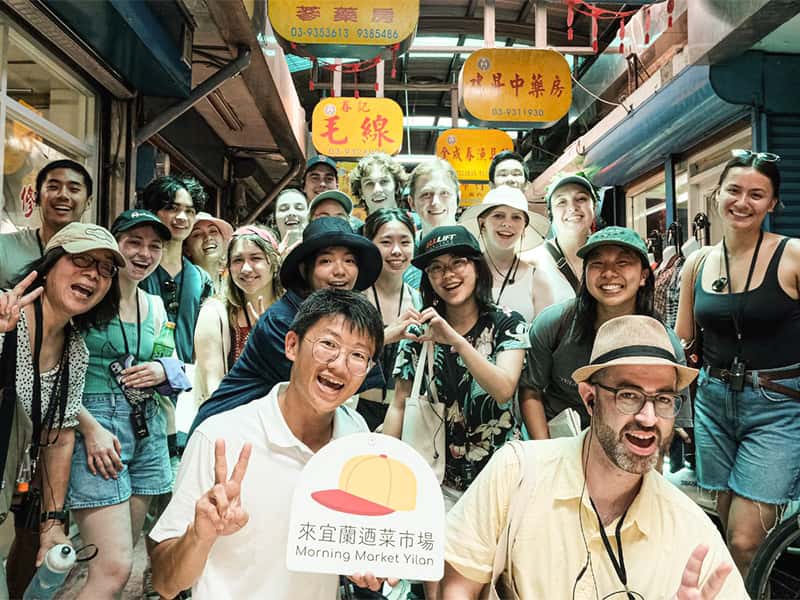
- Morning Market Yilan
- Fang Zi-wei, known as the “young grandpa” from Yilan County, guides visitors from around the world into the market in the “Morning Market Yilan” tour. With his humorous and sincere storytelling and friendly interaction with stall owners, participants learn about seasonal fruits and vegetables, taste local delicacies, and deeply experience traditional market culture using all five senses.
- Guided tours in English are available.
- Winner of the 2024 World Agro-Tourism Award
- Near Yilan Railway Station, about 10 minutes on foot.
- Booking a TripGoogle Map
- Guangfu Township, Hualien County
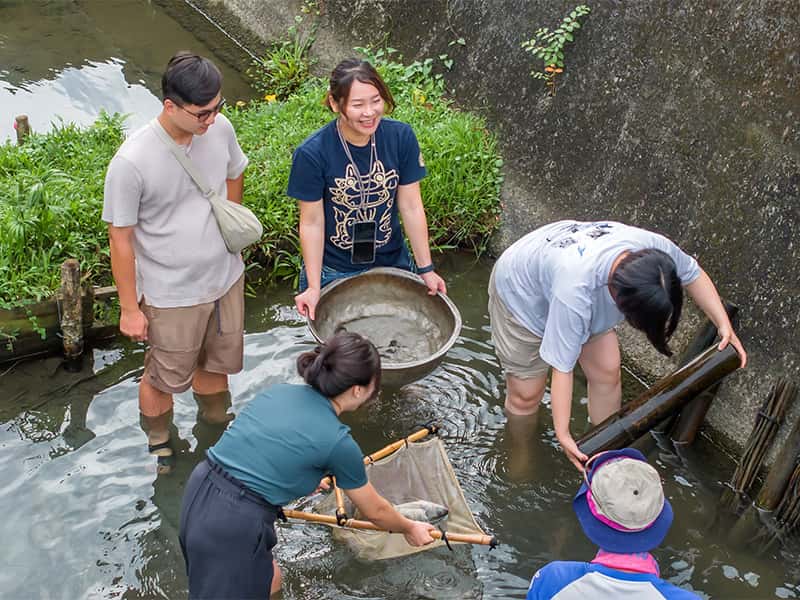
- Fataan Leisure Agriculture Area
- Located in the national inland wetland of Guangfu Township, Hualien County, the area features rich nature and springs, where the Amis “Palakaw” fishing culture is preserved. With unique wetland eco-tours, tribal walks, and refreshing river-dining experiences, visitors can learn by doing, understand the food culture of using locally sourced ingredients, and discover the wisdom of living in harmony with nature.
- Palakaw: Using an ecological fish trap made with bamboo tubes and Formosan sugar palm leaves, the Amis people collect fish after a period of waiting.
- Visitors are recommended to rent or charter a car to get there.
- Fataan Leisure Agriculture Area Facebook PageBooking a TripGoogle Map