YUTAI TEA FACTORY - Tea Rolling Experience
Posted Date:2025-01-02
Updated:2026-01-20
Popularity
254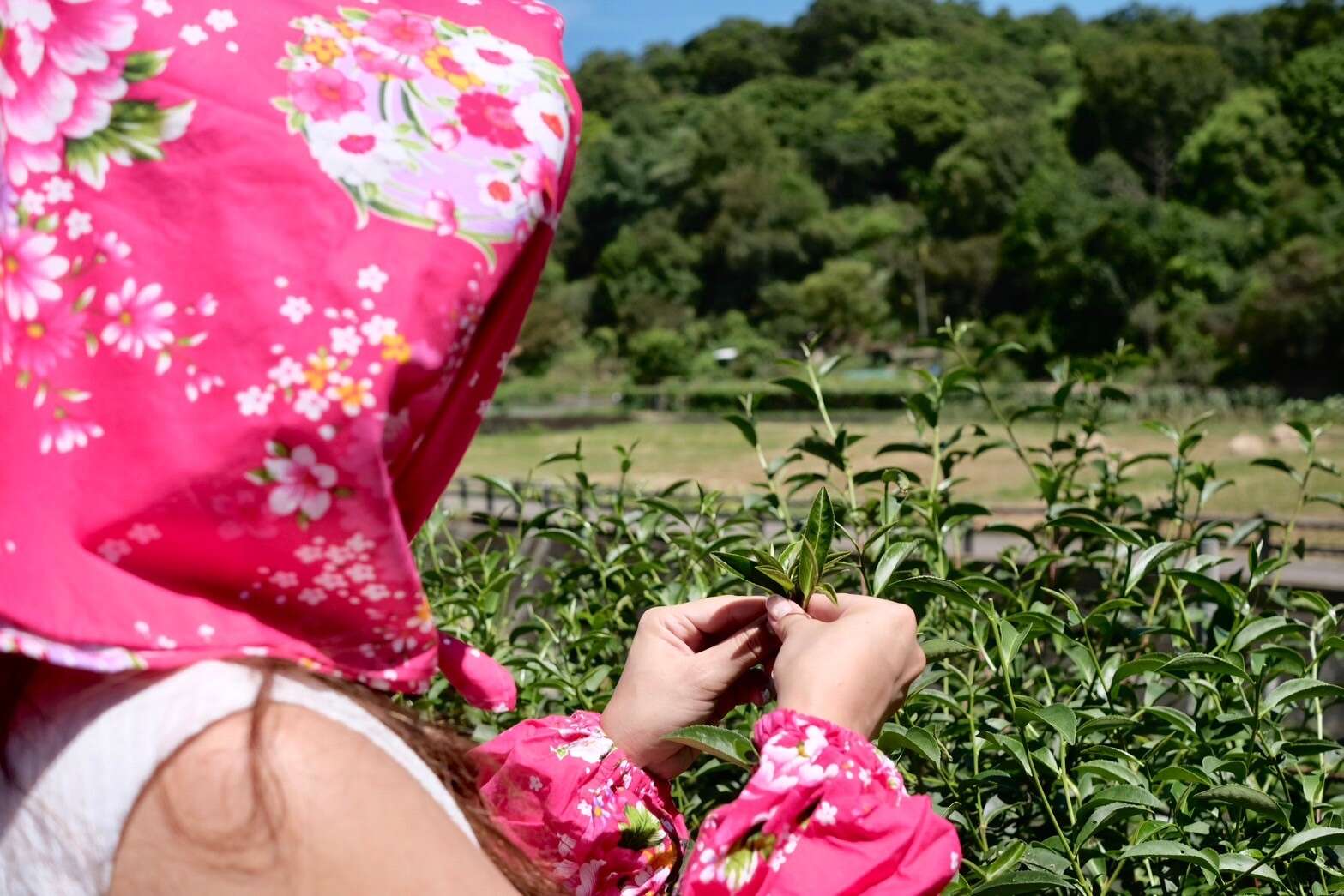
Returning to the Essence of the Human-Earth Connection
Running through the fields as a child, the blazing sun and gentle breeze brushing against our skin; fearlessly leaping into the ocean, feeling the tickle of tiny bubbles sliding past our bodies-these ordinary moments seem buried under the trivialities of adulthood, yet this bodily memory of closeness to nature has never truly disappeared. Since the agricultural era, humans have found rhythms of interacting with nature. The ancients spoke of solar terms, from which life habits and culture evolved. The interdependent relationship between humans and the natural earth remains timeless. What was once the pursuit of a warm meal has today transformed into a path to relaxation-"Agri-Healing & Learning" has emerged in response.You might wonder what "Agri-Healing & Learning" means and the significance of the "Learning" component. First, imagine it as a phenomenon that "occurs in an agricultural environment"-the peace and emotion generated from natural interaction between humans and the earth. Through guidance and design, knowledge transfer is incorporated to achieve the "Learning" aspect. A visit to "YUTAI TEA FACTORY" (羽泰製茶廠) will help you understand that the healing and learning gained from tea picking, tea processing, and tea tasting experiences far exceeds expectations.
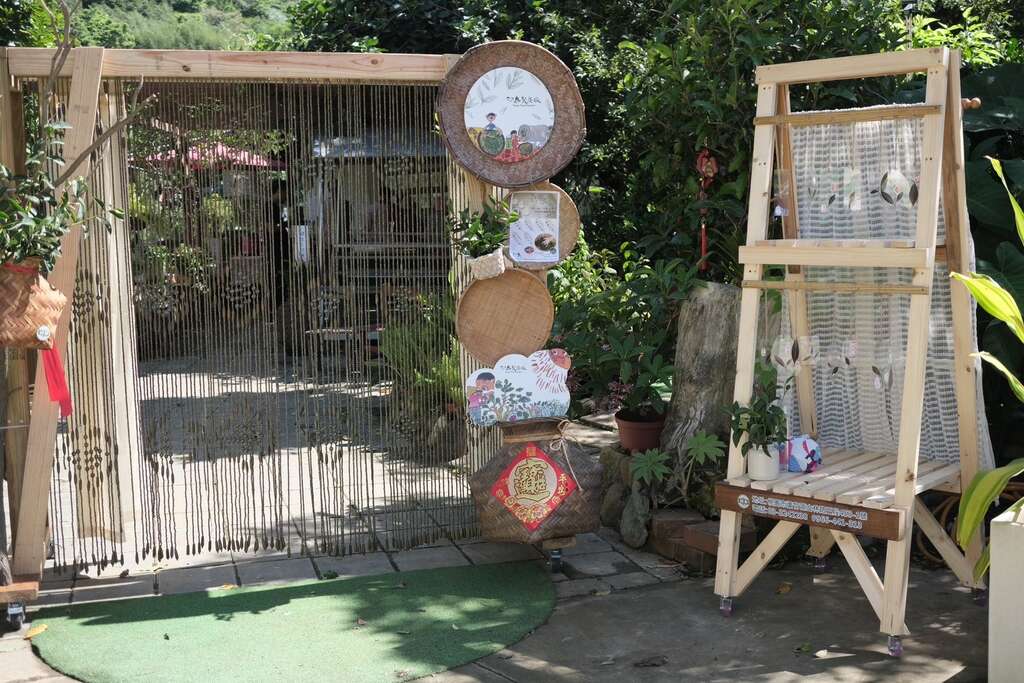
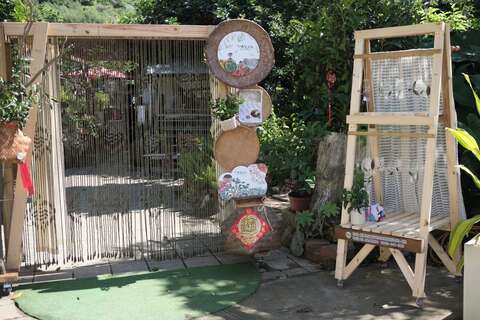
Pass through the bead curtain, calm your mind, and embrace a series of agri-healing & learning experiences
Tea Picking Experience: A Culture of Mutual Assistance
The "Yu" in YUTAI TEA FACTORY is taken from Lu Yu, the Sage of Tea, while "Tai" carries the meaning of peaceful abundance. This century-old tea garden has now been passed down to its fourth generation, producing Taoying Black Tea and "Lufeng Oolong Tea" (蘆峰烏龍茶), named by former President Lee Teng-hui. Currently operated by the husband-and-wife team Tseng Chih-chiang and Chen Chao-lin, they are dedicated to transforming traditional production into leisure agriculture, planning agri-healing & learning experiences, and promoting activities that combine food and agricultural education.
Upon entering the grounds, rows of leaf bookmarks sway in the wind on wooden racks. Look closely, and you'll notice the bookmarks don't feature randomly picked leaves, but rather "one bud, two leaves" tea shoots: the tender bud on top as the heart, plus two leaves below-the standard for tea picking. Participants pass through the bead curtain, connecting their chosen bookmarks with wooden table cards. After a brief welcome tour, the first tea picking experience begins.
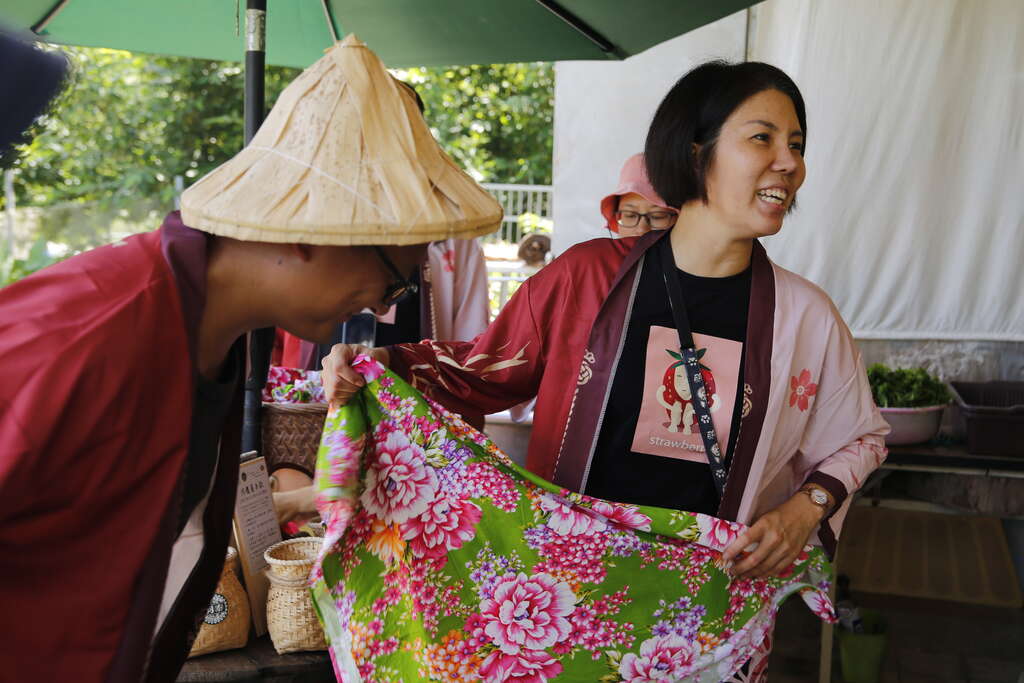
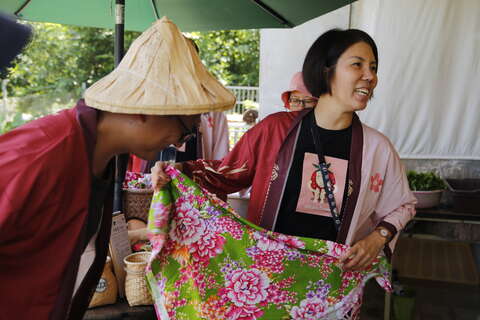
Help each other put on the tea picking equipment! (Photo provided by: Taiwan Leisure Agriculture Society - Agri-Healing Academy)
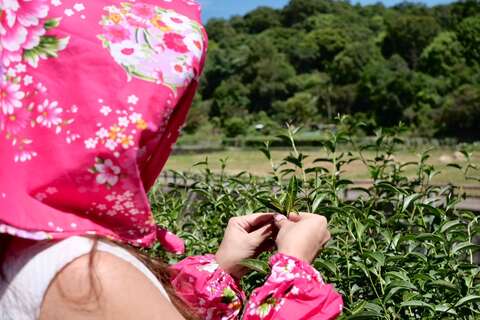
"Traditional tea picking has a heartwarming practice called 'borrowing labor' (also known as 'group assistance'). When a tea garden lacks manpower during harvest, neighboring helpers are called upon, and the tea garden provides a hearty lunch to thank those who helped." Owner Chen Chao-lin of YUTAI TEA FACTORY explains while holding the tea picking equipment, tying floral headscarf for participants and having others help each other in pairs. The tea industry, which requires mutual assistance, is reflected in every small detail. Once the bamboo hats, arm sleeves, headscarves, and most importantly, the small tea baskets are all in place, participants can step into the tea garden to pick tea themselves. The tea garden cultivates various tea tree varieties including Jinxuan, Cuiyu, and Yingxiang. Following owner Tseng Chih-chiang's tea picking instructions, use your index finger and thumb to grip the leaf stem and gently pluck the "one bud, two leaves."

Tea picking session: hand-selecting and harvesting premium "one bud, two leaves" tea
Cooking with Tea Leaves: Adding Delicacy to Cuisine
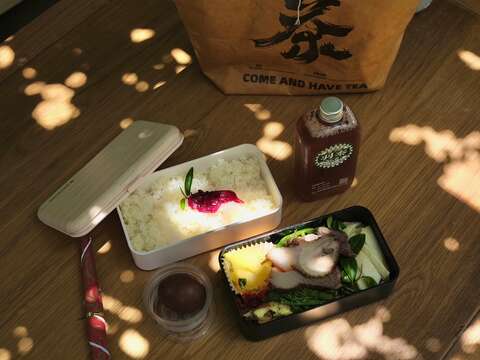
While waiting for the tea leaves to wither, the weighty meal bags have already been placed on the wooden platform. Opening the double-layer lunch box, exclamations arise one after another-it's easy to spot the ingenuity of incorporating "tea" throughout the dishes. Starting with the tea leaf omelet, the tea shoots are specially selected, allowing the delicate tea aroma to add layers to the dish. Accompanied by seasonal vegetables like glutinous rice peppers and bamboo shoots, enjoyed with the main course, and even a tea egg as a snack. The apple black tea uses smooth, fragrantly charming honey-scented black tea as its base, mixed with apple juice. Drinking it chilled makes you feel ready to savor another delicious dish.
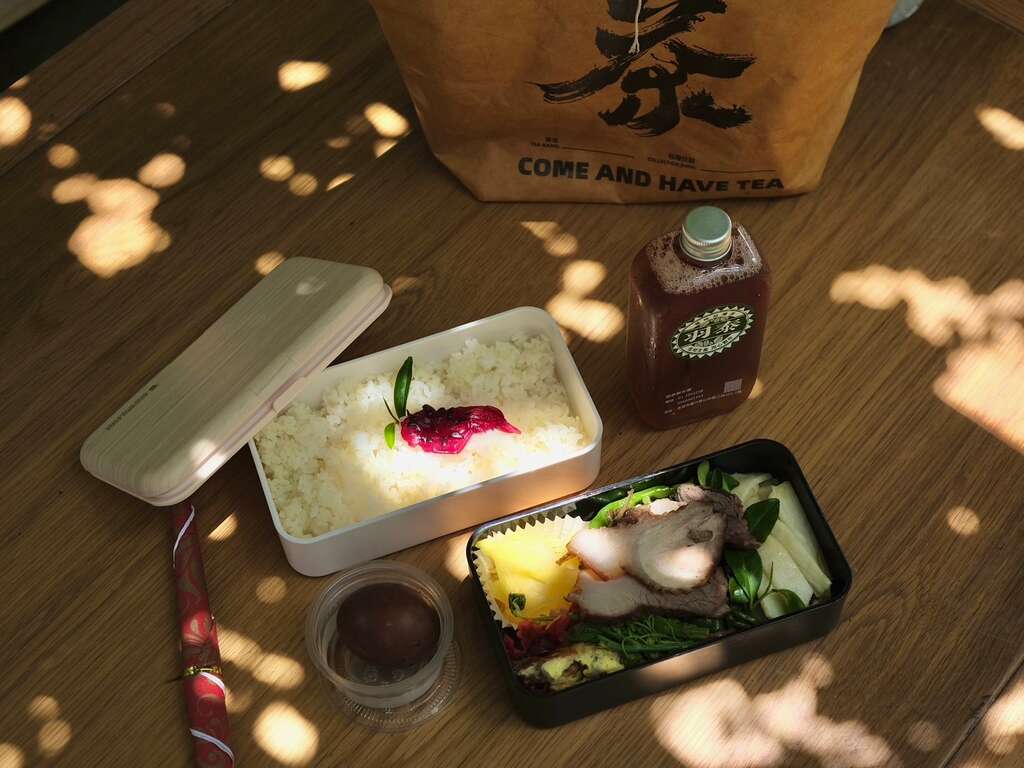
An exquisite lunch box full of "tea flavor" that whets the appetite
The Rolling Art of a Champion Tea Master
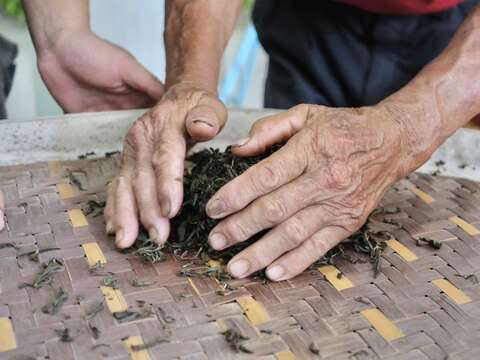
After a satisfying meal, the main event of tea rolling follows. Fourth-generation owner Tseng Chih-chiang of YUTAI TEA FACTORY is the 2020 champion of the Ball-shaped Oolong Tea Processing Competition. "The catechins in tea leaves are converted to theaflavins through the rolling process, and then form thearubigins through post-fermentation." The owner explains with focus, placing his broad hands over the withered tea shoots, fingers together with the index finger and thumb forming a hollow triangle, gathering the fluffy tea shoots together in just a few movements.
The rolling process looks simple, but one attempt reveals your skill level. Not only must you maintain the triangular hand shape while gathering the leaves in circular motions, gradually transforming the withered shoots into strip-like forms, but you must also apply gentle pressure, gradually increasing force in the latter half to release the juices. Occasionally break apart and scatter the tea shoots before regathering to avoid uneven rolling, while also picking out leaves that haven't changed color and thick stems.
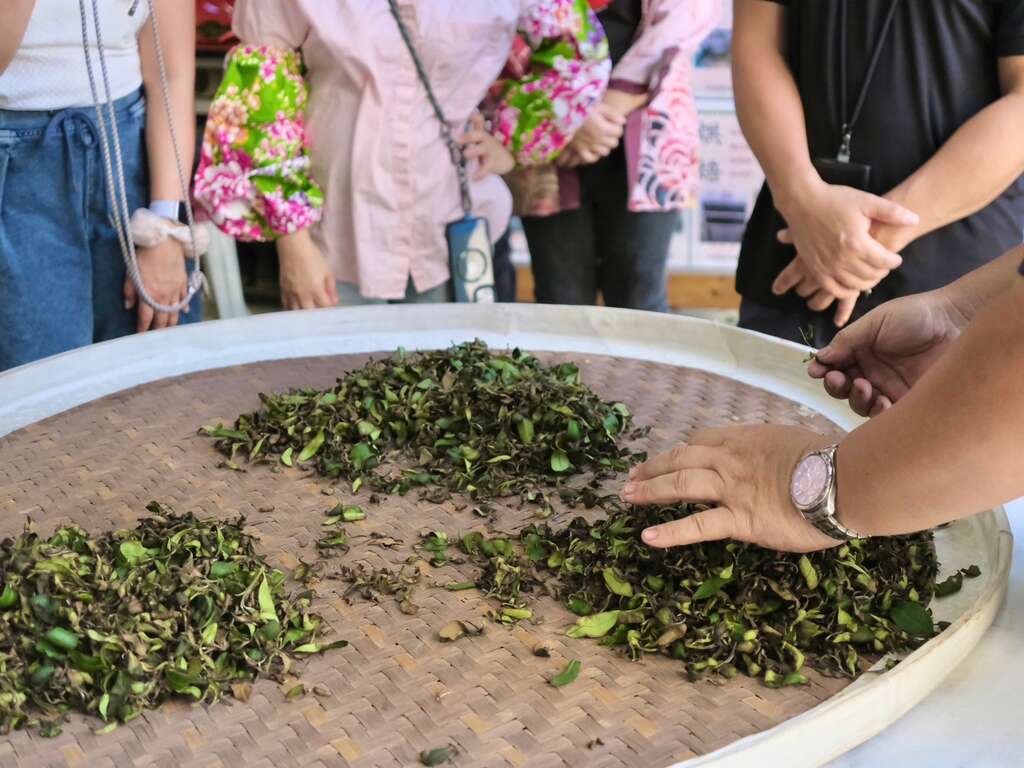
Fourth-generation owner Tseng Chih-chiang of YUTAI TEA FACTORY demonstrates and explains tea rolling
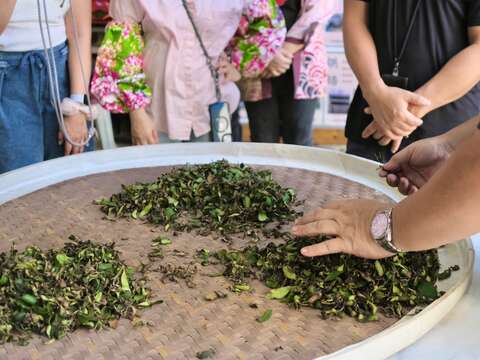
Through repetitive rolling, one naturally calms down, as the tea fragrance is carried by the breeze, permeating the midsummer air. After rolling for a while, the tea-picking aunties and uncles come to check on us, kneading each batch of tea shoots they're responsible for, offering different comments like "looking good so far" or "could use a bit more force." Our "chaotic" hands can hardly tell the difference, but in the palms of experienced tea masters, there's a very clear sense of the tea's state-this accumulation of experience is the foundation of fine tea.
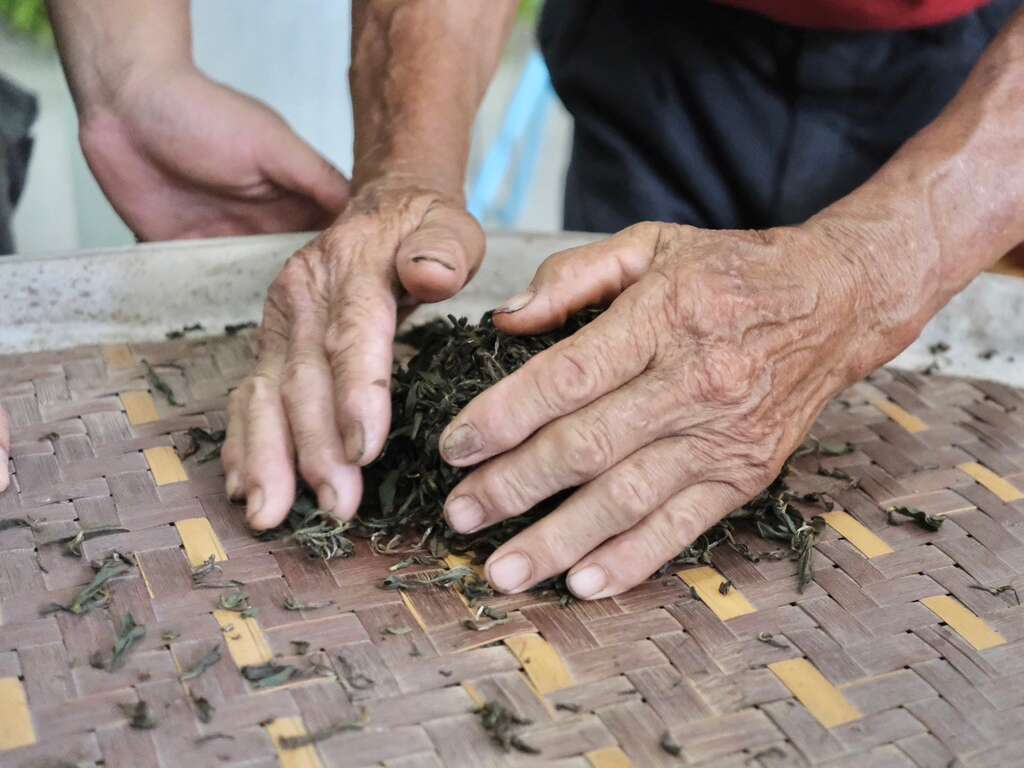
Experienced tea masters can quickly assess the tea leaves' condition during the rolling stage
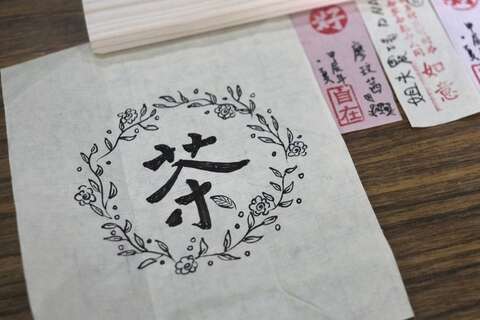
Once placed in the drying machine, the tea-making process reaches its conclusion. Next comes creating the rice paper strips for sealing the canister and the hidden message cards inside the tea jar-drawing and writing to infuse a sense of ceremony into future openings. Participants taste the pre-prepared Taoying Black Tea; the elegant aroma wafts into the nostrils, the flavor sweet and mellow. Indeed, understanding the effort behind its creation makes the tea taste even more flavorful.
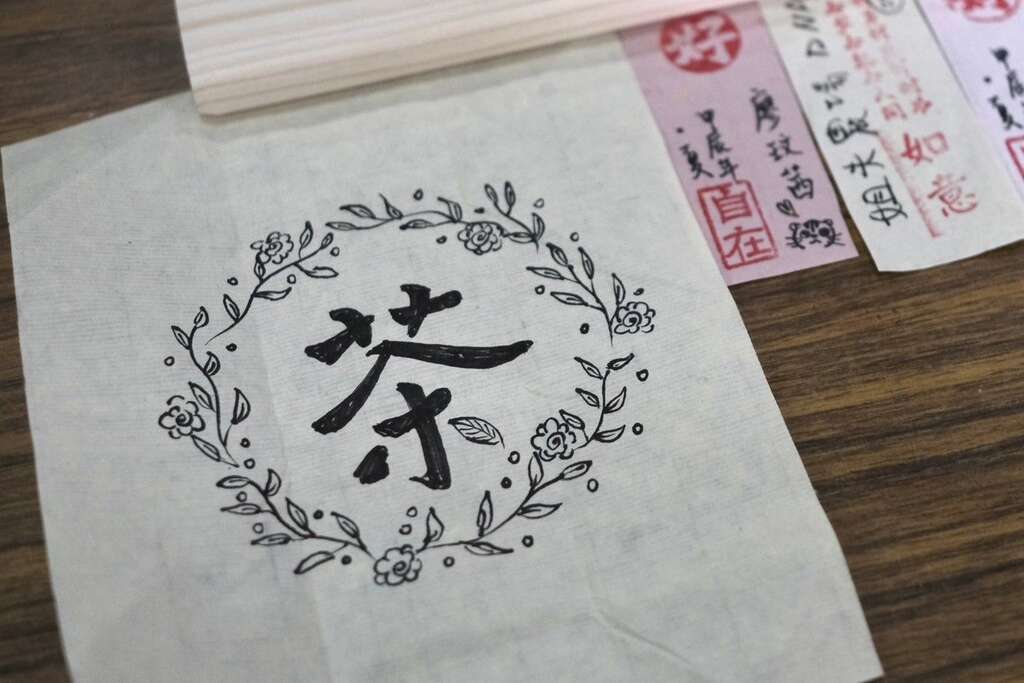
Drawing the hidden message cards, ready to be placed in the jar with the dried tea leaves
The Source of Agri-Healing & Learning: The Way of Coexisting with Nature
In the old days, a few close friends would hold "tea gatherings," spending an entire afternoon brewing tea and chatting about tea, with time unfolding slowly alongside the tea leaves. Looking back at tea-making-tea picking is slow, rolling is slow, fermentation is slow. From tea processing to tea tasting, every step is approached with ease. When everything slows down, the senses gradually sharpen, and a sense of fulfillment naturally arises.
"Agri-healing & learning lets you sort through your emotions, focusing on the spiritual production generated from actually doing something-that is, spiritual feedback." After the activity, owner Chen Chao-lin discusses agri-healing & learning with me. YUTAI TEA FACTORY has always been on the path of touching "spiritual resonance," relying not only on a century-old verdant tea garden and exquisite tea-making craftsmanship, but more importantly, returning to the essence of agriculture-sharing the wisdom and feelings of human-nature cooperation. That is the source of healing and learning.
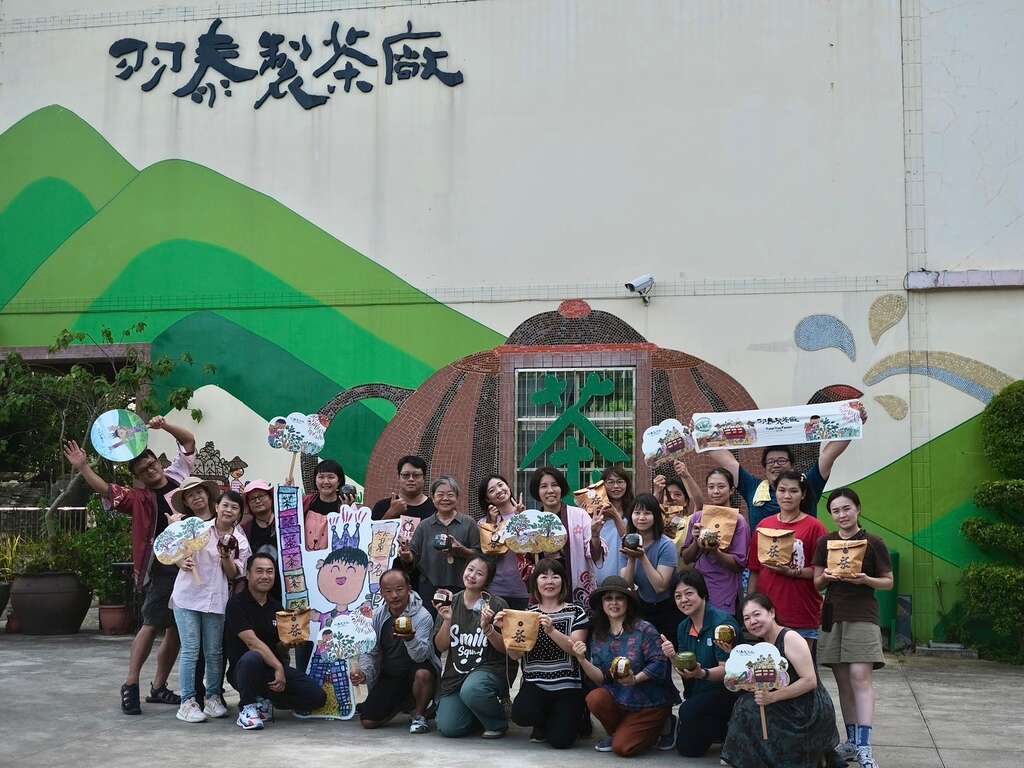
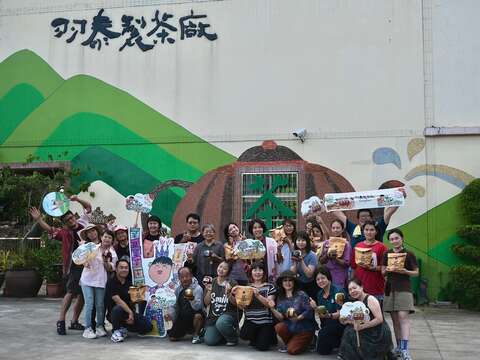
Group photo of participants
This content was translated by AI. Please refer to the original text if you have any concerns.
Photos