Blue from Indigo - Plant Dyeing & Leaf Printing Experience
Posted Date:2025-02-21
Updated:2026-01-20
Popularity
684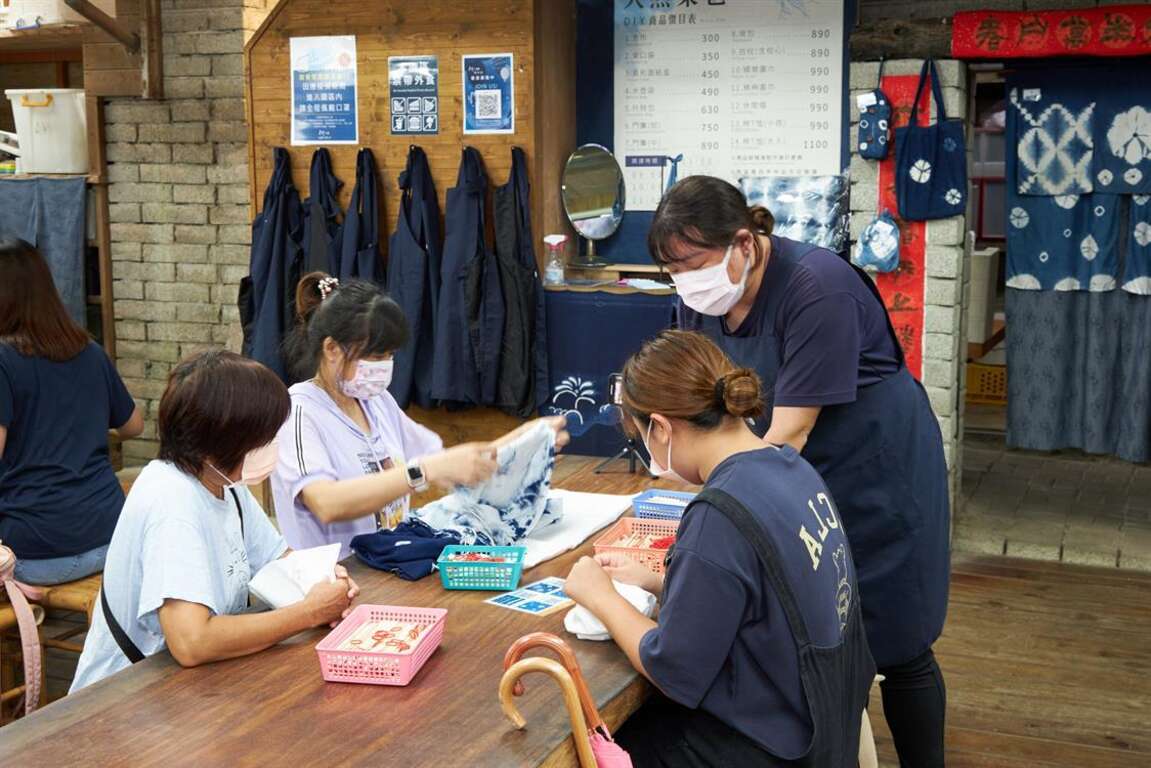
The Chinese character "藍" (lan/blue), written with a grass radical on top, originally referred to indigo plants such as Strobilanthes cusia and Indigofera tinctoria - important raw materials for making dyes. Hakka ancestors used these indigo plants to create the dye "qing" (blue), bestowing natural blue colors upon clothing, daily necessities, and decorative items. This traditional craft gradually faded over time, yet it continues to thrive at Joye Cottage in Sanyi, Miaoli.
The Story of Indigo Plants and Dyeing
Indigo plants, these special plants, have been used by humans to make dyes for over three thousand years, and are the origin of the Chinese idiom "blue comes from indigo" (meaning the student surpasses the teacher). In Taiwan, the history of indigo plants is inseparable from Hakka culture. During the Jiaqing period of the Qing Dynasty, Strobilanthes cusia was introduced to Taiwan. It flourished in the local climate and soil conditions of central Taiwan, becoming an important economic crop along valley streams, and with its unique blue color, became the core raw material for traditional fabric dyeing.
Joye Cottage in Miaoli carries on this ancient craft. Starting from cultivating Strobilanthes cusia, they have promoted this traditional technique and developed it into a popular agri-healing & learning experience activity, allowing people to enjoy the fun of handcrafting while experiencing the profound culture and aesthetic value of indigo dyeing.
Hands-on Experience of Indigo Dyeing Beauty
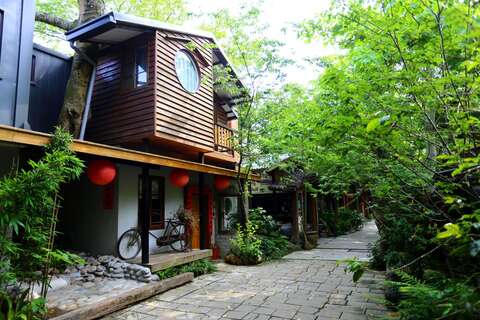
Hidden among the mountains and forests of Sanyi, Joye Cottage is a secluded paradise far from the hustle and bustle. This garden area features traditional architecture as its main body, adorned with small bridges, flowing water, and lush natural landscapes. Stepping into Joye Cottage feels like entering an isolated village, with the rustic atmosphere emanating from the old houses making one feel as if time has stood still. Here, adults can leisurely enjoy a drink while children can feed fish, ducks, geese, and other small animals by the pond, with the whole family immersed in nature's embrace.
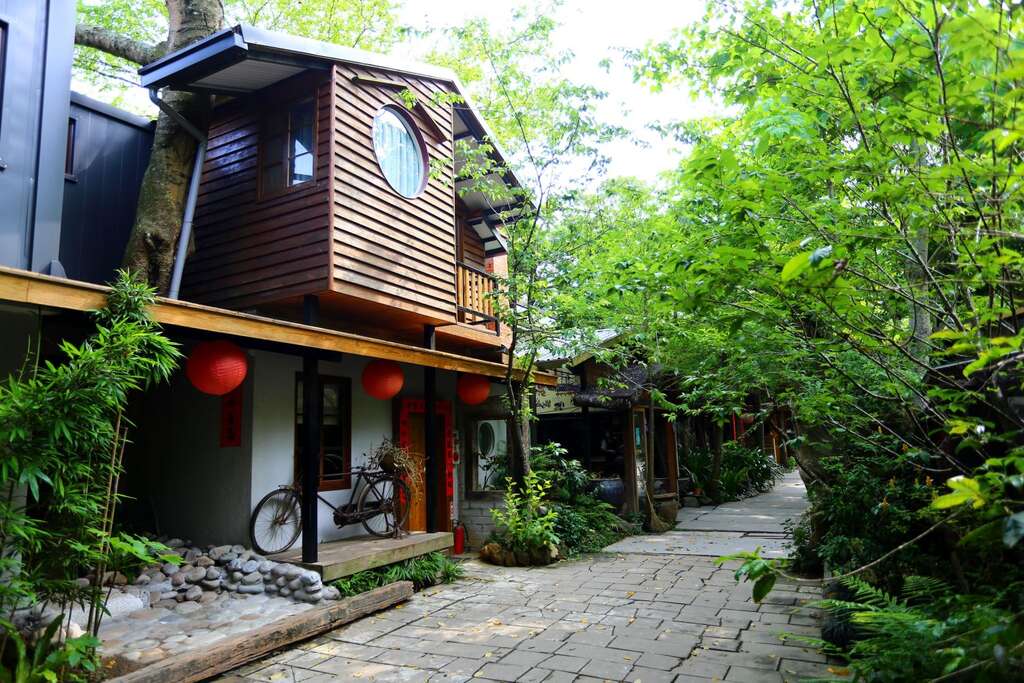
Joye Cottage's garden creates an atmosphere of seclusion from the world (Photo provided by Taiwan Leisure Farming Development Association)
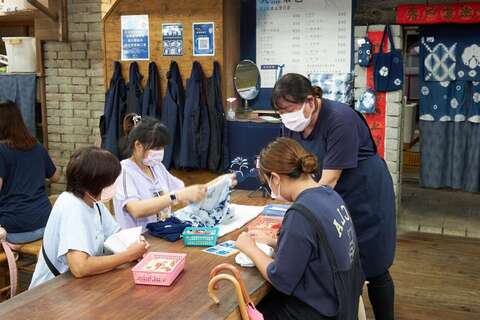
The most popular activity at Joye Cottage is the indigo dyeing DIY experience. The Tongyan Dyeing Workshop here offers diverse indigo dyeing courses, with experience sessions starting every hour on the hour from 9 AM to 4 PM. Visitors can choose to make souvenirs such as handkerchiefs, drawstring bags, tote bags, cushions, or T-shirts, with prices ranging from NT$300 to NT$1,200. Each class takes about 1 to 1.5 hours, with specific duration depending on the complexity of the work.
During the course, professional instructors guide visitors through every step of traditional indigo dyeing, from designing patterns to soaking the work in indigo dye vats - each step is filled with fun and a sense of accomplishment. This is not only an unforgettable handcrafting experience but also a profound way to understand Hakka culture.
Visitors can purchase indigo dyeing tours on Joye Cottage's official website or Farm Travel Supermarket, further experiencing the fusion of traditional culture and agri-healing & learning through activities (For experience tours, please refer to Joye Cottage Official Website, Farm Travel Supermarket). As weekends and holidays tend to be crowded, advance reservations are recommended to secure your spot.
Ready-made indigo-dyed products are also available for purchase here, suitable as gifts for friends and family who appreciate natural styles. Additionally, visitors at Joye Cottage have the opportunity to try on Hanfu (traditional Chinese clothing), taking photos in traditional attire to experience the cultural poetry of traditional dress.
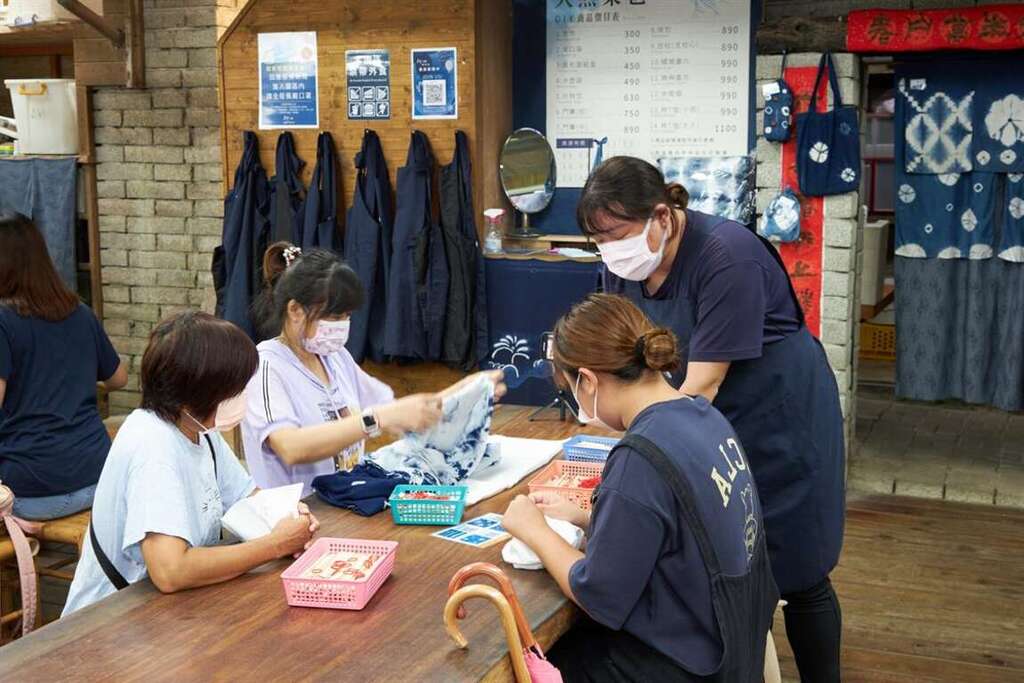
Experience traditional indigo dyeing at Joye Cottage
Four-Season Surprises in a Natural Environment
The natural environment surrounding Joye Cottage is rich and colorful, with different beautiful scenery awaiting visitors to explore in each season. Irises in the garden bloom in spring, usually from mid-March to early May, bringing visitors a dreamy purple sea of flowers. Fireflies take over starting in April, when visitors can join night tours to admire the twinkling lights. July to August offers spectacular views of butterflies dancing gracefully. Additionally, hydrangeas bloom in summer, adding a fresh touch of color to the garden.
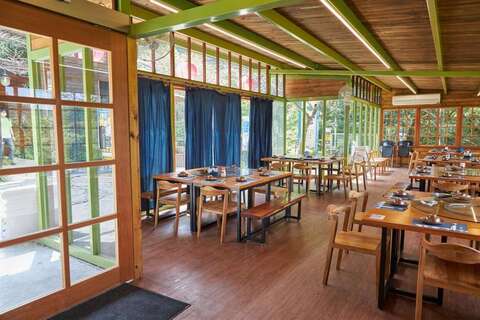
Joye Cottage's low light pollution environment allows visitors to admire a sky full of stars at night and enjoy the peaceful moments of being awakened by birdsong in the early morning. The unique guest rooms, converted from round old granaries, provide visitors with a distinctive accommodation experience. Joye Cottage's Tian Mama vegetarian restaurant uses organic ingredients from local small farmers to create innovative vegetarian dishes, making every bite full of health and deliciousness.

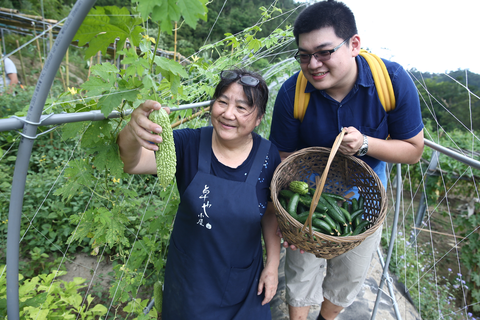
Joye Cottage has abundant agritourism resources
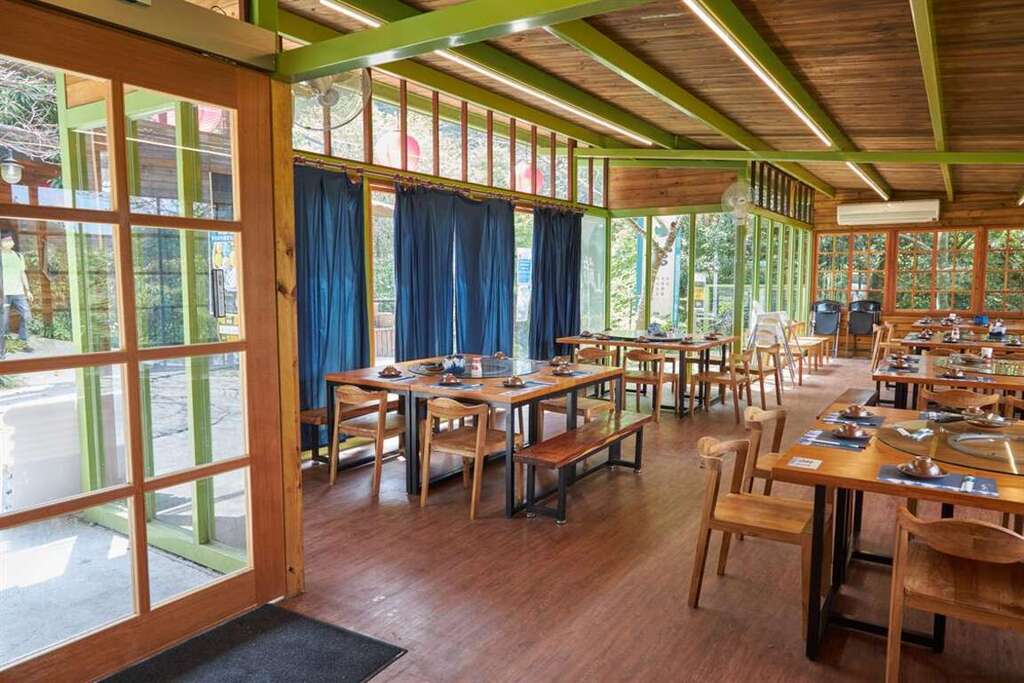
Tian Mama Restaurant at Joye Cottage
Side Trip to Shuangtan Leisure Agriculture Area
The "Shuangtan Leisure Agriculture Area" in Sanyi Township, where Joye Cottage is located, is surrounded by mountains with a pleasant climate. Each season offers different natural beauty, along with many destinations combining natural landscapes, cultural experiences, and agricultural fun.
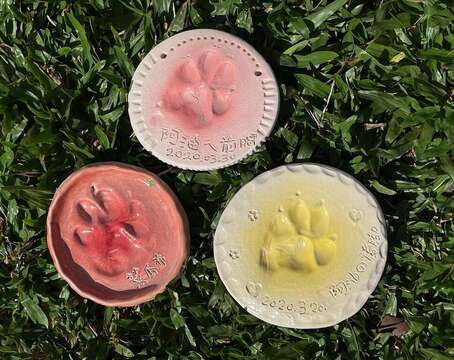
"Shanbanjiao Leisure Farm" is famous for its Peking Opera facial mask culture, displaying over a thousand facial mask artworks. The farm owner originally pursued wood carving, but during the SARS period began creating facial masks with the spirit of "crisis is opportunity," indeed achieving remarkable success. While learning about the farm's plant ecology, visitors can also participate in facial mask painting DIY to experience the depth of traditional culture. "Chuntianyao Leisure Farm" centers on wood-fired pottery, where visitors can experience pottery DIY and enjoy the fun of wheel throwing.
"Lai Jiucai Farm" grows red-fleshed plums using non-toxic, environmentally friendly methods. The sweet and delicious fruits are unforgettable once tasted. The farm is open for fruit picking, suitable for the whole family to participate. "Jitai Tourist Orchard" mainly grows oranges, with the main season from December to March of the following year, making it an agritourism choice from winter to spring.
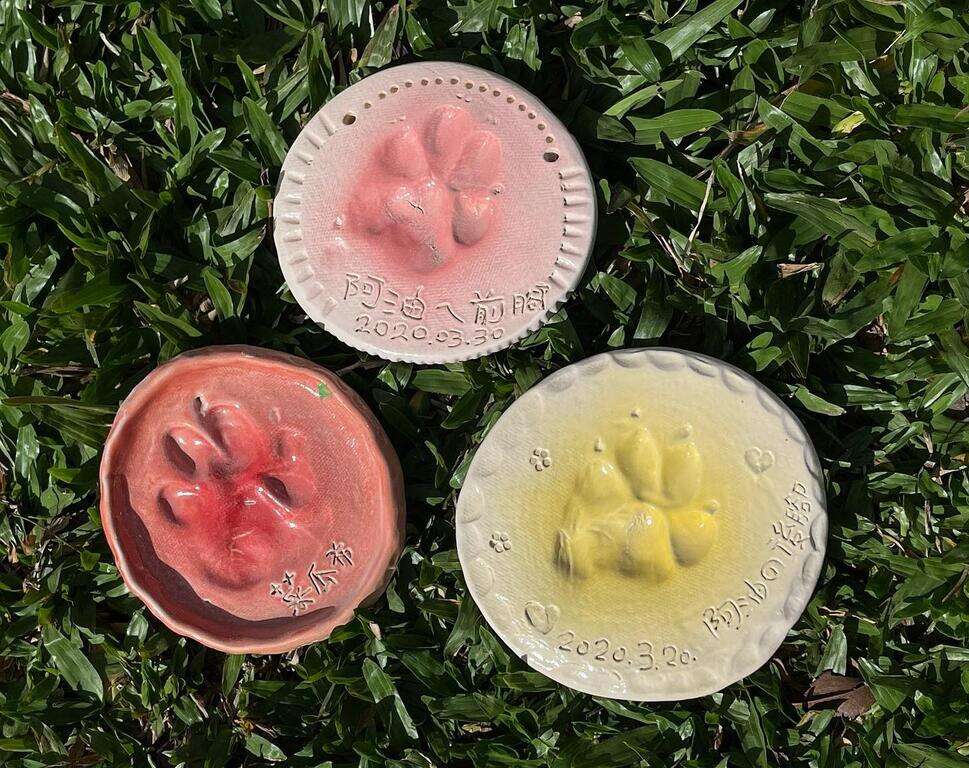
Experience pottery DIY at Chuntianyao Leisure Farm
Joye Cottage (卓也小屋)
Address: No. 1-5, Neighborhood 13, Bengshan Xia, Shuangtan Village, Sanyi Township, Miaoli County
Hours: 09:30-17:30
Phone: 03-787-9198
Website: Link
Admission: NT$200 for adults (partial discount available)
Shanbanjiao Leisure Farm (山板樵休閒農場)
Address: No. 138, Shuangliantan, Shuangtan Village, Sanyi Township, Miaoli County
Hours: 09:00-18:00
Phone: 03-787-5766
Website: Link
Admission: NT$100
Chuntianyao Leisure Farm (春田窯休閒農場)
Address: No. 7, Daping, Shuangtan Village, Sanyi Township, Miaoli County
Hours: 09:00-17:00; Closed on Wednesdays
Phone: 03-787-7820
Website: Link
Lai Jiucai Farm (賴九財農園)
Address: No. 66, Shuangtan Village, Sanyi Township, Miaoli County
Hours: By appointment
Phone: 0910-450630
Jitai Tourist Orchard (吉泰觀光果園)
Address: No. 34, Bengshan Xia, Shuangtan Village, Sanyi Township, Miaoli County
Hours: By appointment
Phone: 0923-647399
This content was translated by AI. Please refer to the original text if you have any concerns.
Photos