Penghu Fish Star Guide
Posted Date:2025-10-31
Updated:2026-01-20
Popularity
1444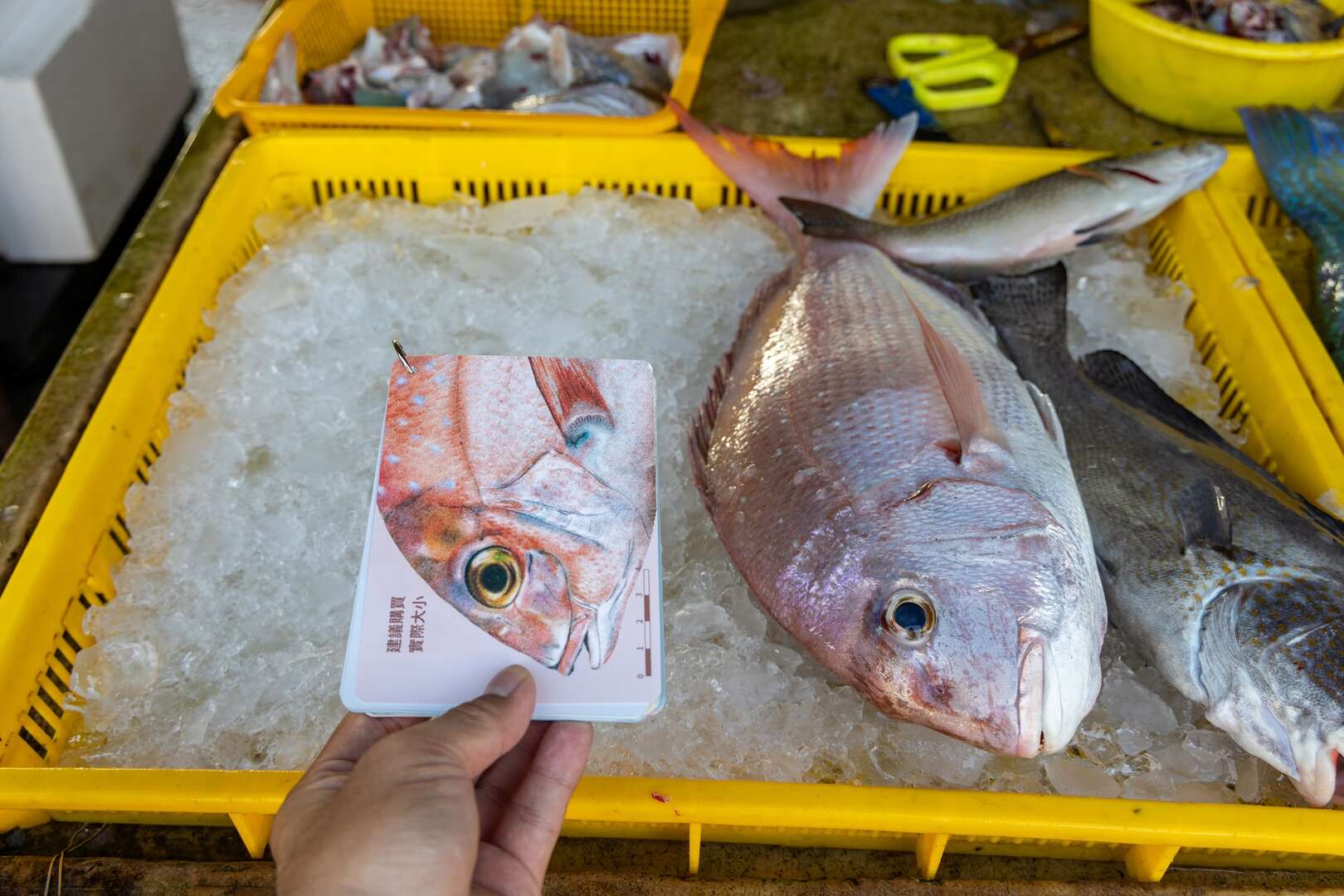
Penghu, located in the Taiwan Strait, has been renowned for its fishing industry since ancient times, benefiting from the abundant catches brought by converging ocean currents. The county is dotted with as many as 67 fishing ports of various sizes. When visiting Penghu, you should not only "eat" seafood but also "understand" seafood! Join Fish Says (年年有鰆) for a fish market tour, experience the fish auction firsthand, and master your knowledge of Penghu's star fish species. Then visit Hongluo Village in Huxi Township, and follow Isle Trip (離島出走) to discover the residents of the intertidal zone and explore the stone weir culture that Penghu people are so proud of.
Fish Says
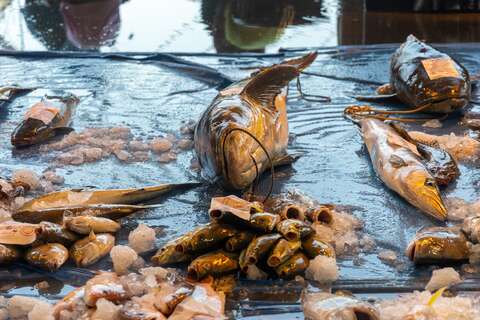
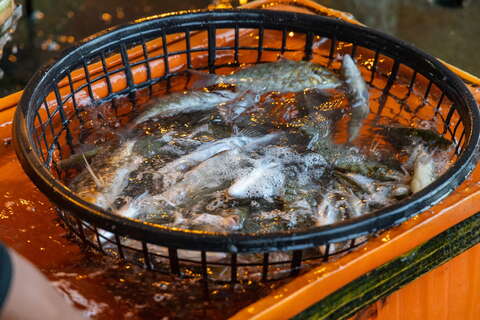
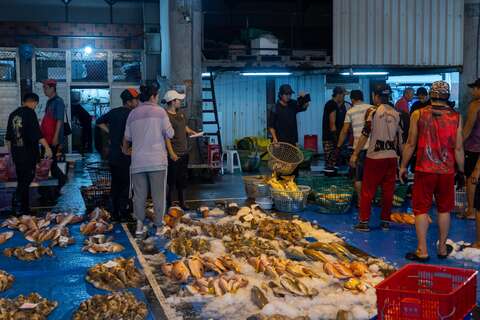
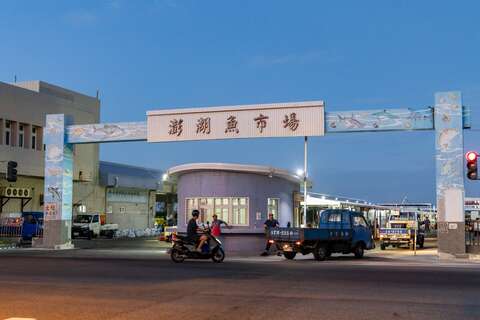
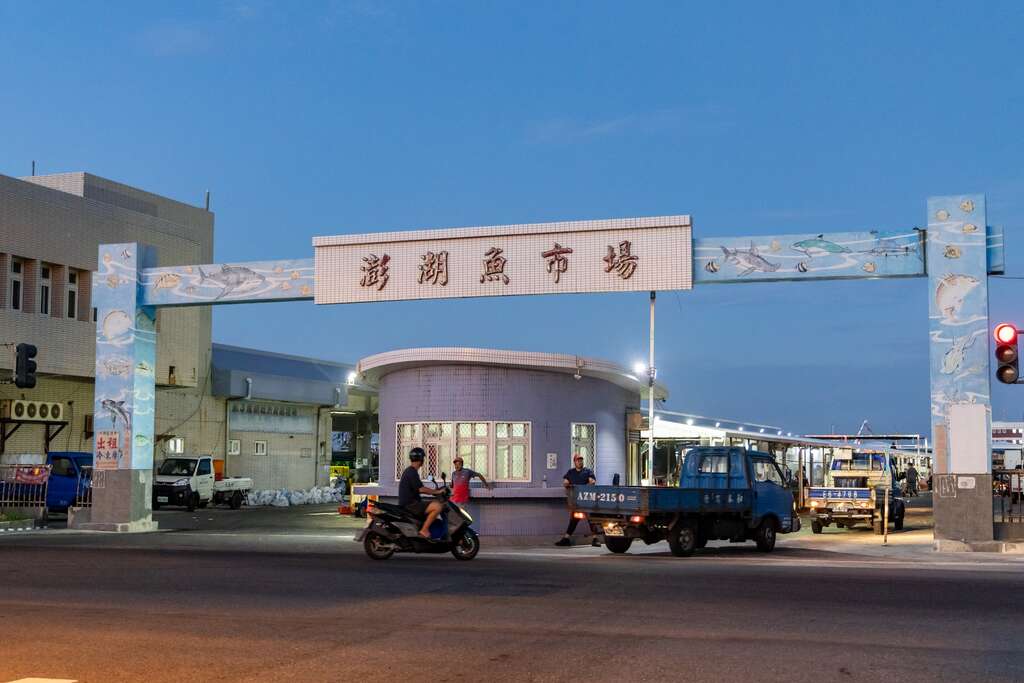
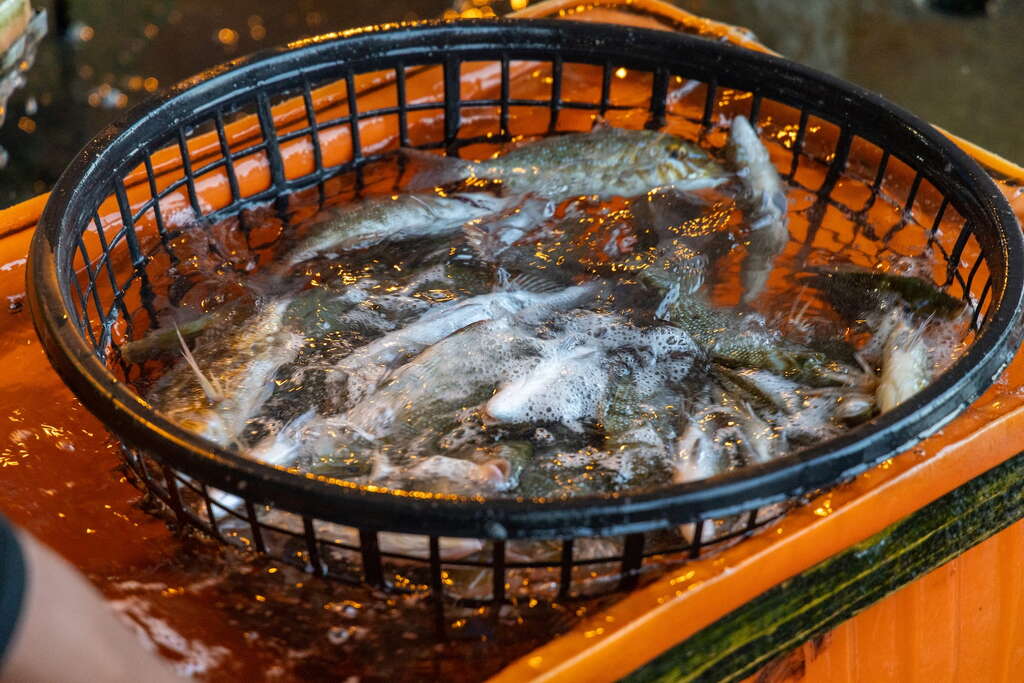
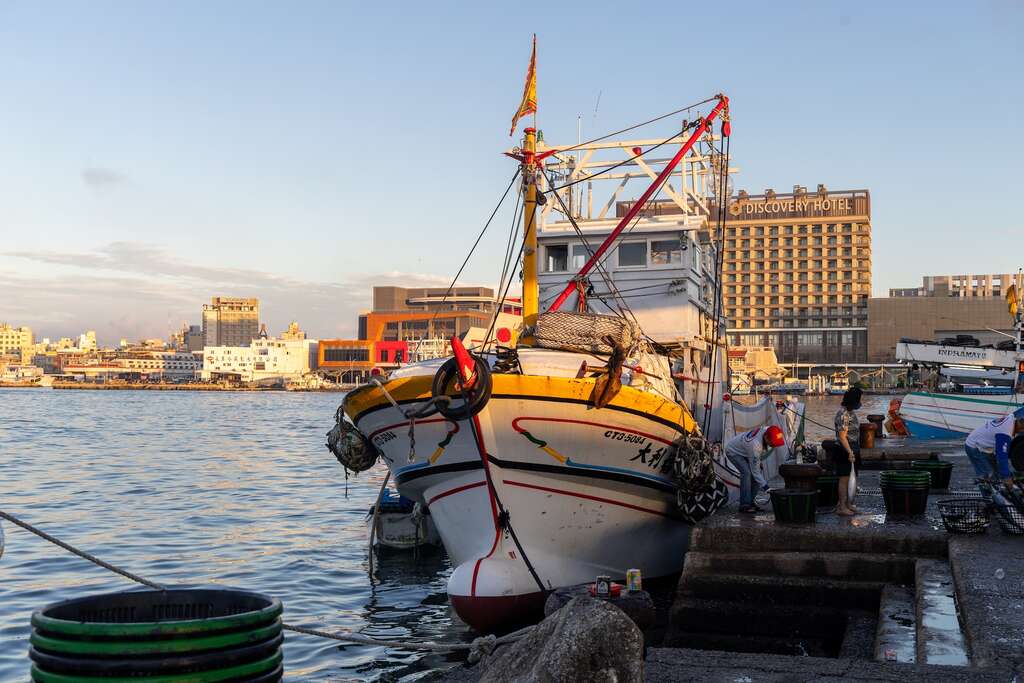
With the stars and moon still hanging high in the night sky, during the early morning hours when most people are still immersed in dreams, Penghu Fish Market is already bustling with activity. In the bidding area, wholesalers hold their bid slips participating in round after round of auctions. Many of the catches were just pulled from the sea two hours ago, with quite a few still opening their mouths and gills to breathe.
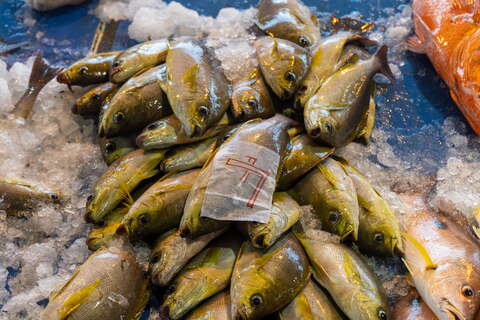
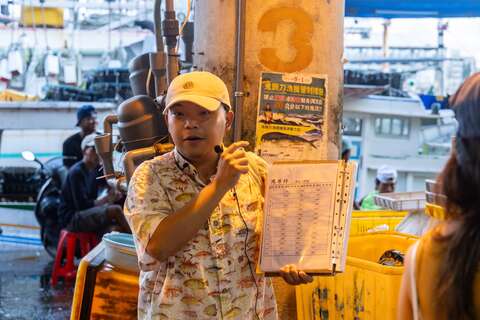
Unlike Taiwan's fish markets, bidding in Penghu is not done verbally but through bid slips, with separate bidding based on the numbered labels attached to each group of fish. Wholesalers fill out their bid slips and drop them into boxes; after opening, the highest bidder wins. The scene is quiet yet carries an intense atmosphere, testing the wholesalers' experience and decisiveness.
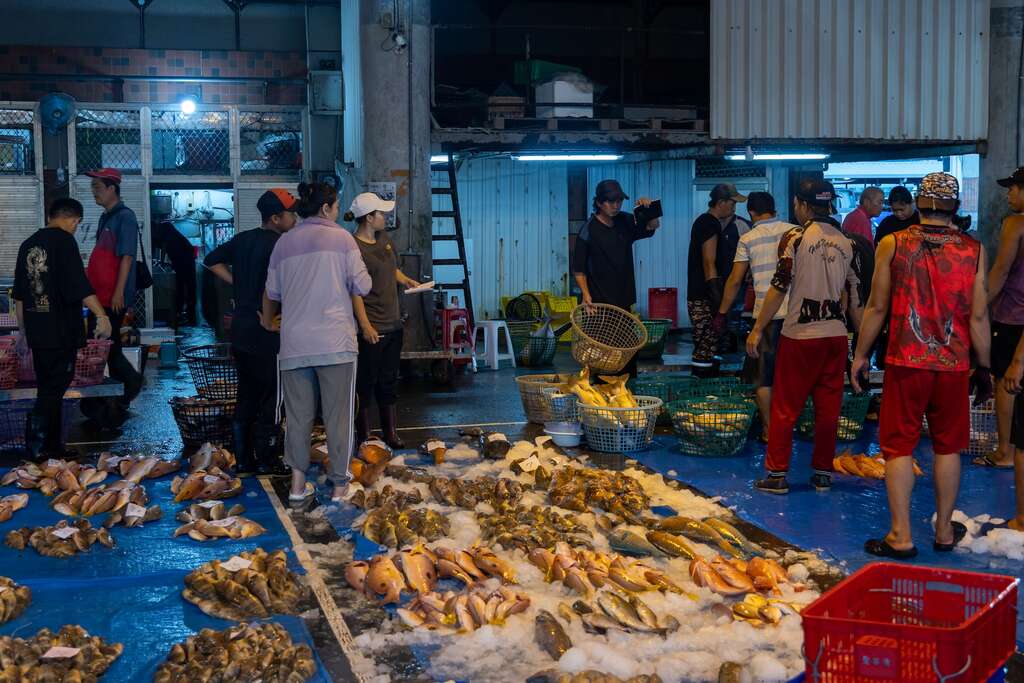
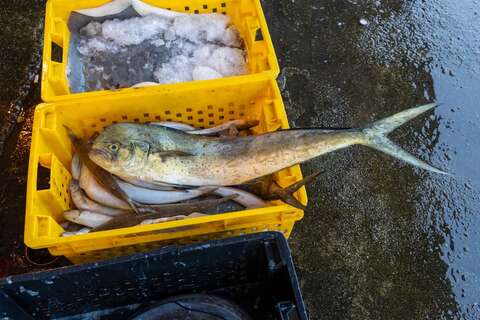
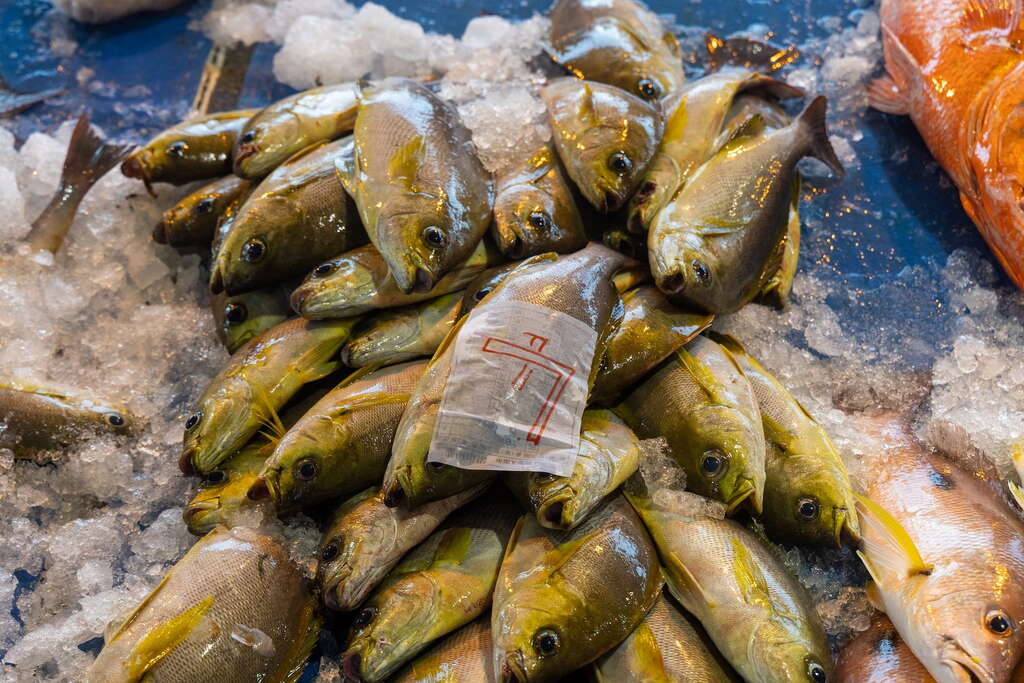
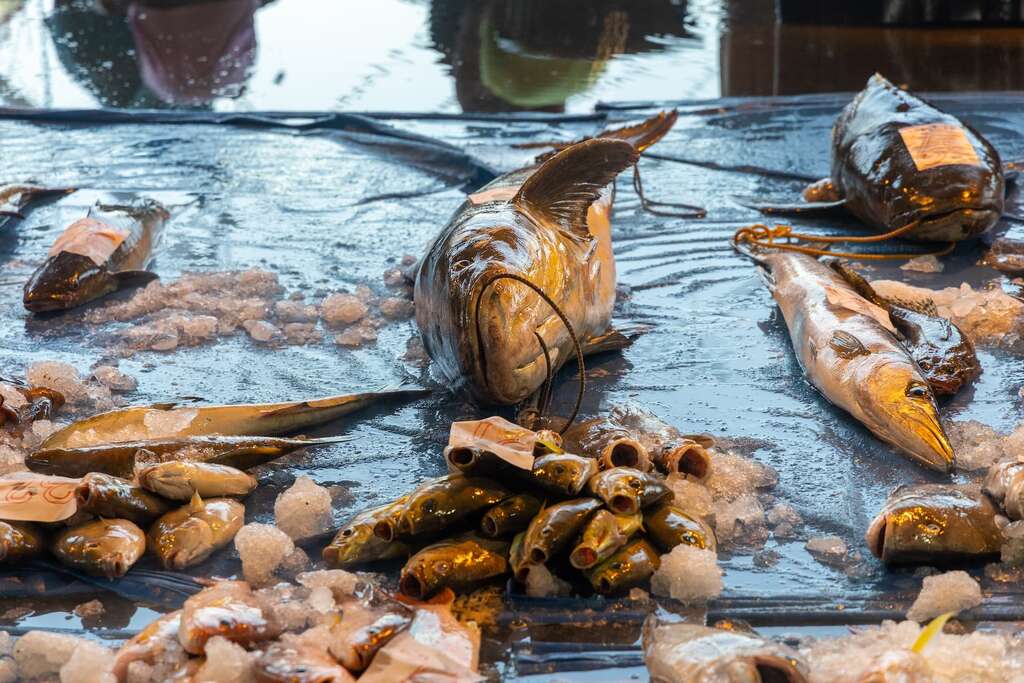
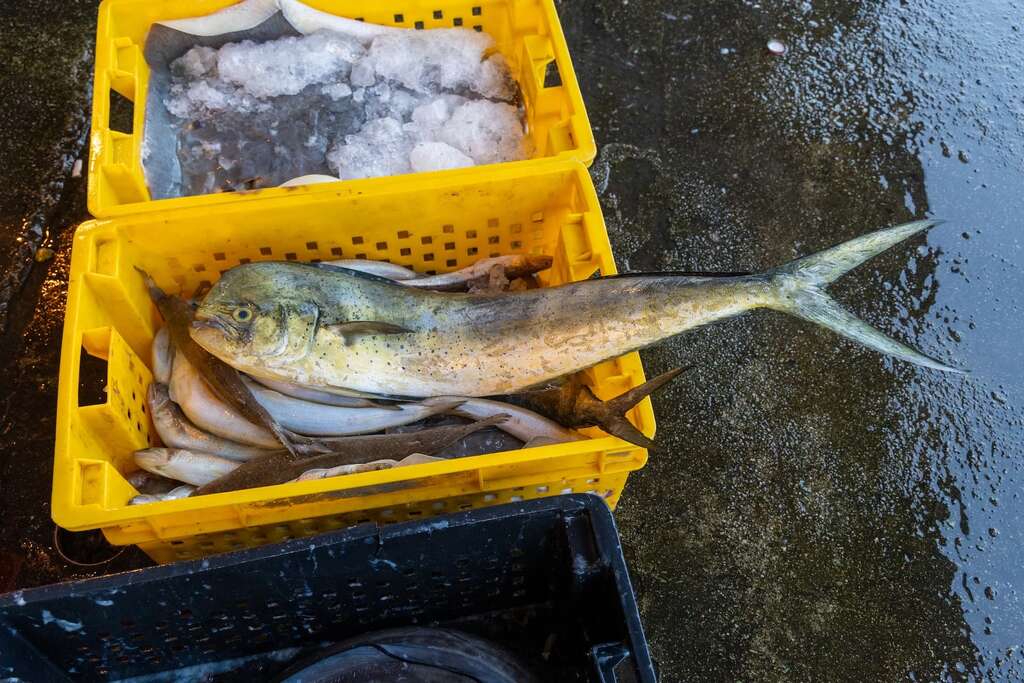
Greater amberjack, mahi-mahi, cobia, and grouper - these are common catches in Penghu, piled by species in the unloading area awaiting auction. Some fish are covered with crushed ice to keep them fresh, indicating they were caught in more distant waters.
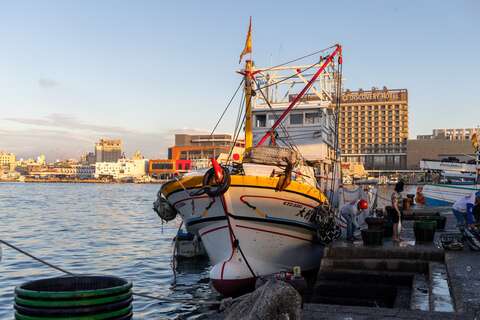
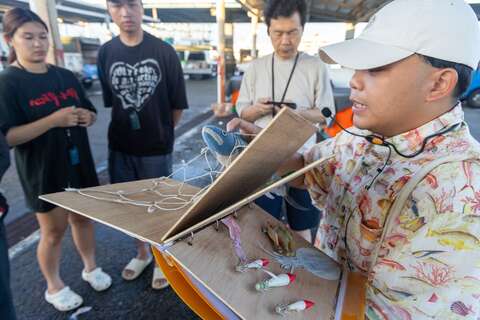
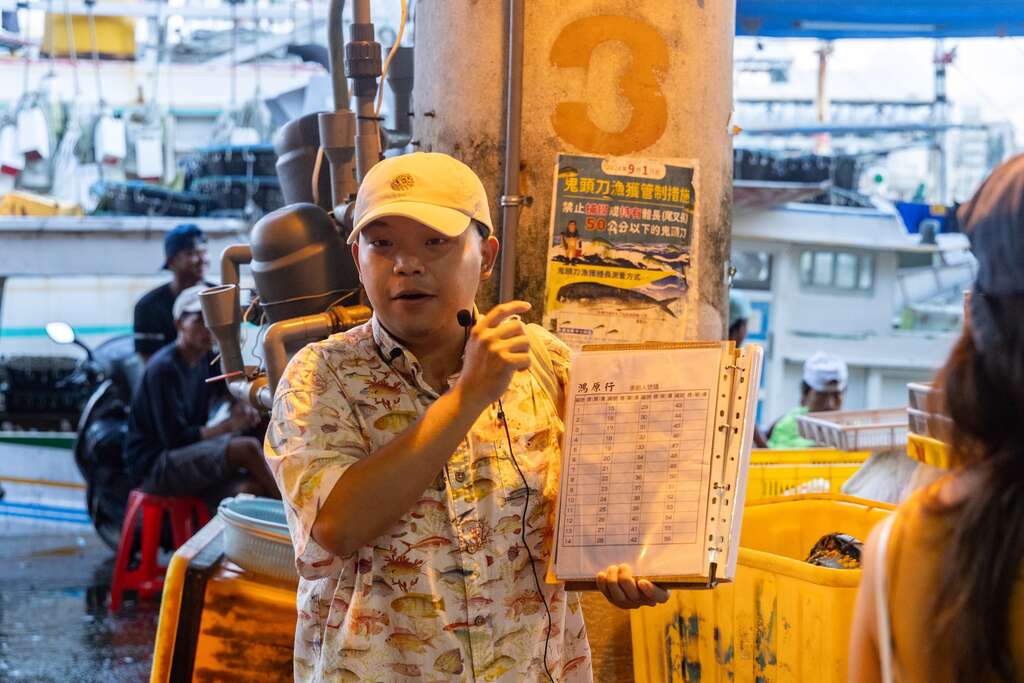
Different fish species require different fishing methods, which is also an important factor in determining seafood prices. Walking to the harbor, the guide uses model teaching aids to introduce various fishing methods, such as purse seining, longlining, drift gill netting, crab traps, cage nets, set nets, and stone weirs. For example, purse seining is suitable for catching fish attracted to light sources, such as mackerel and hairtail, so fishing boats are equipped with numerous light bulbs, and some even have dedicated lighting boats!
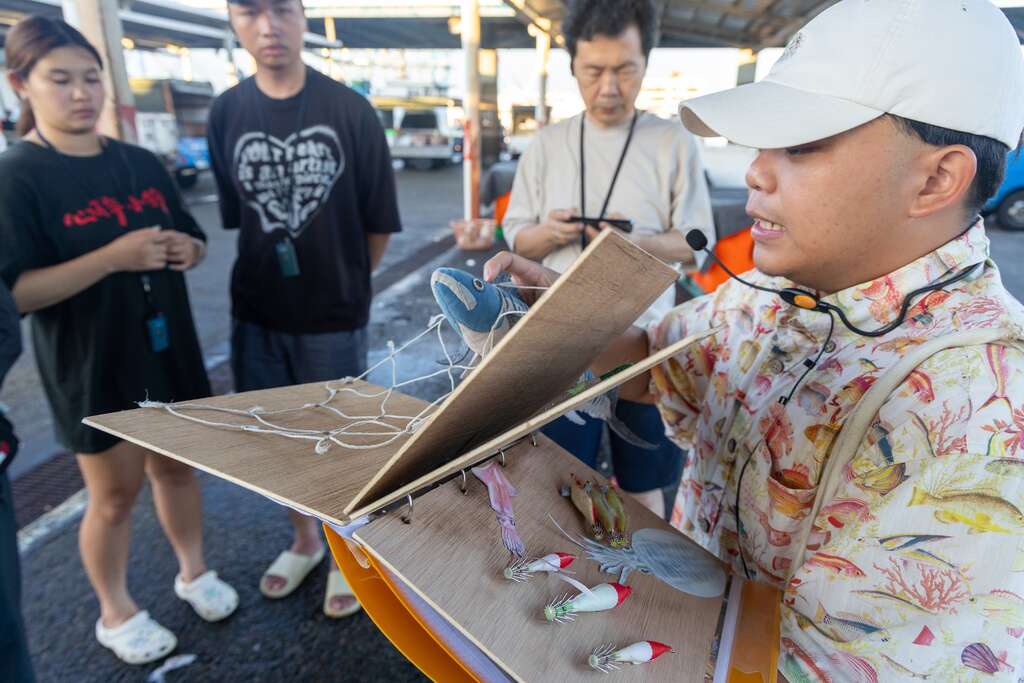
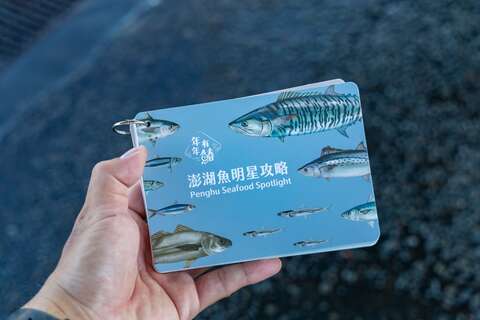
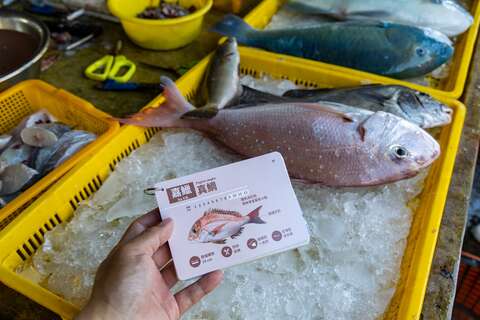
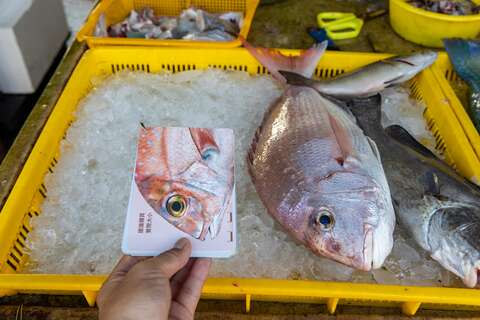
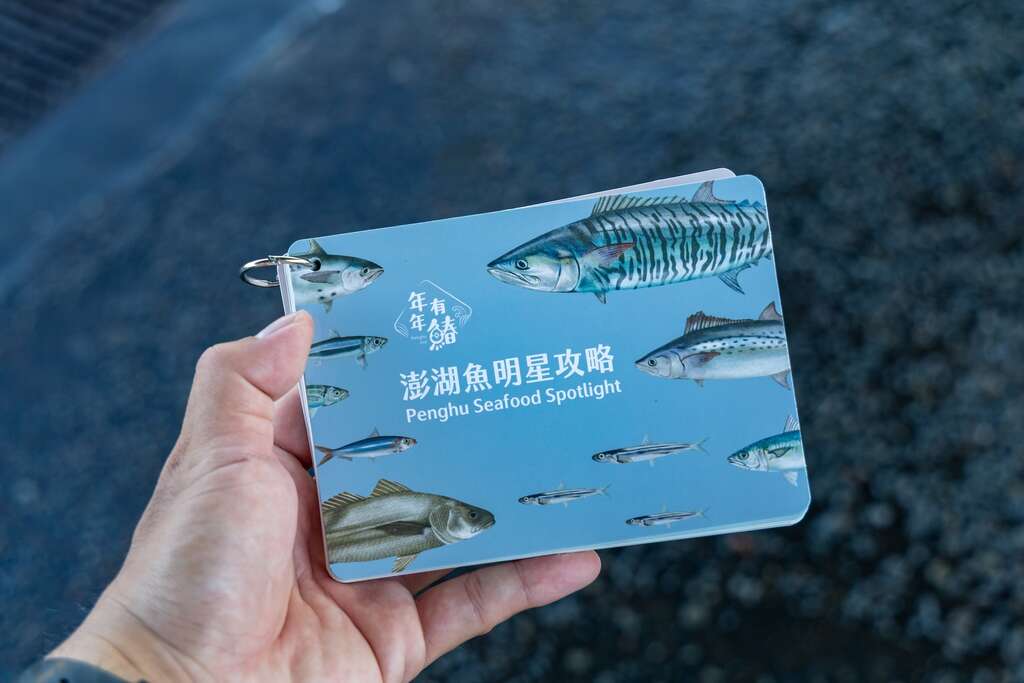
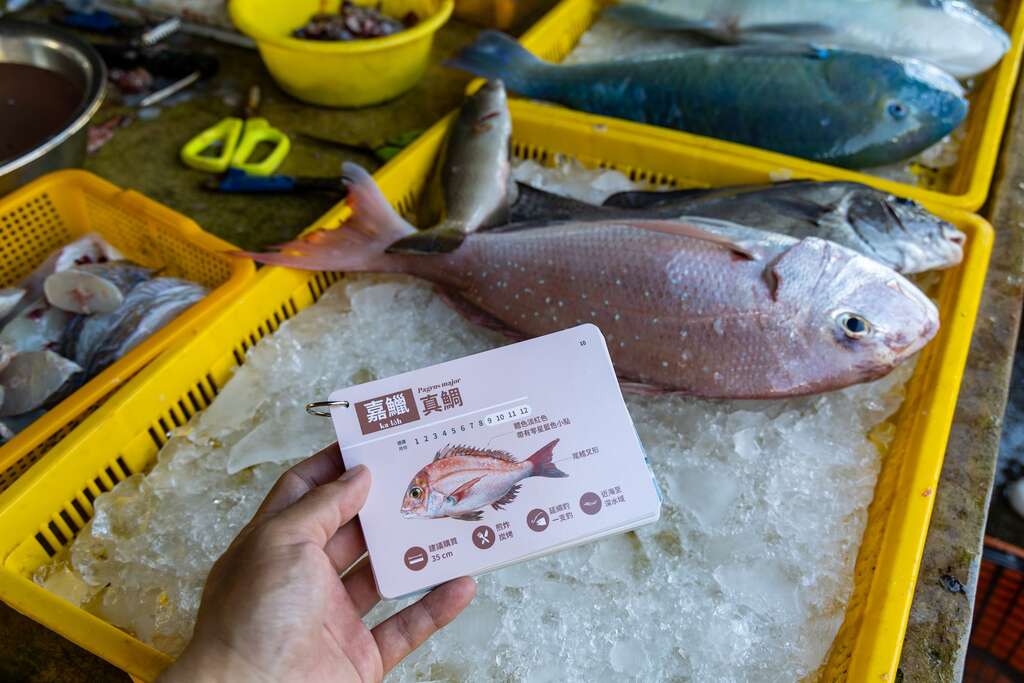
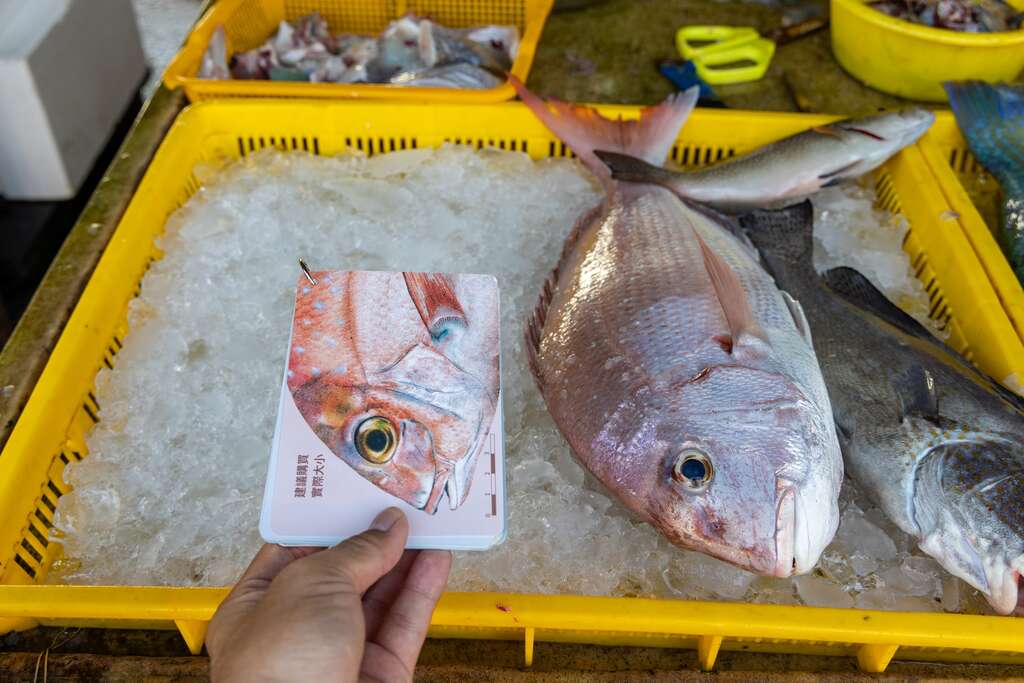
Arriving at the vendor area, open Fish Says' "Penghu Fish Star Guide," featuring 24 common fish species in Penghu. Easy-to-understand charts explain the best months to purchase different fish species, recommended sizes, fishing methods, and even how to cook them. Most thoughtfully, it includes actual-scale fish illustrations, allowing visitors to browse the market while comparing references to easily select the freshest fish.
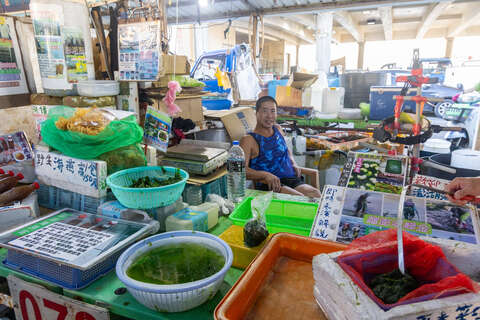
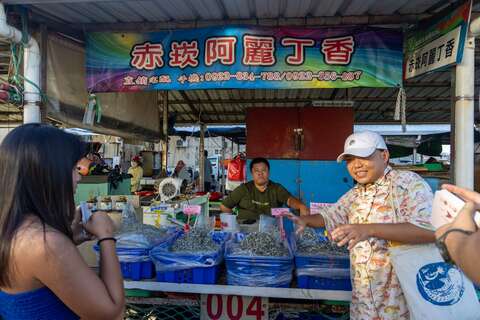
The fish market stalls not only sell various catches but also feature sea lettuce, known as "green gold," as well as sea bird's nest, anchovy, and oysters, allowing visitors to more comprehensively understand Penghu's abundant marine products.
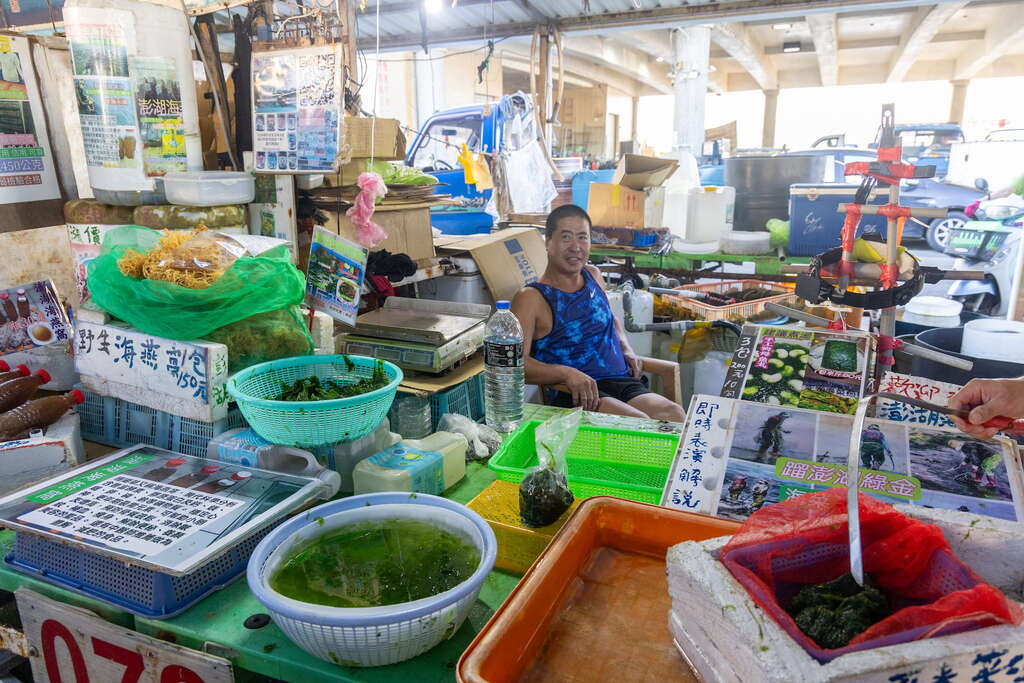
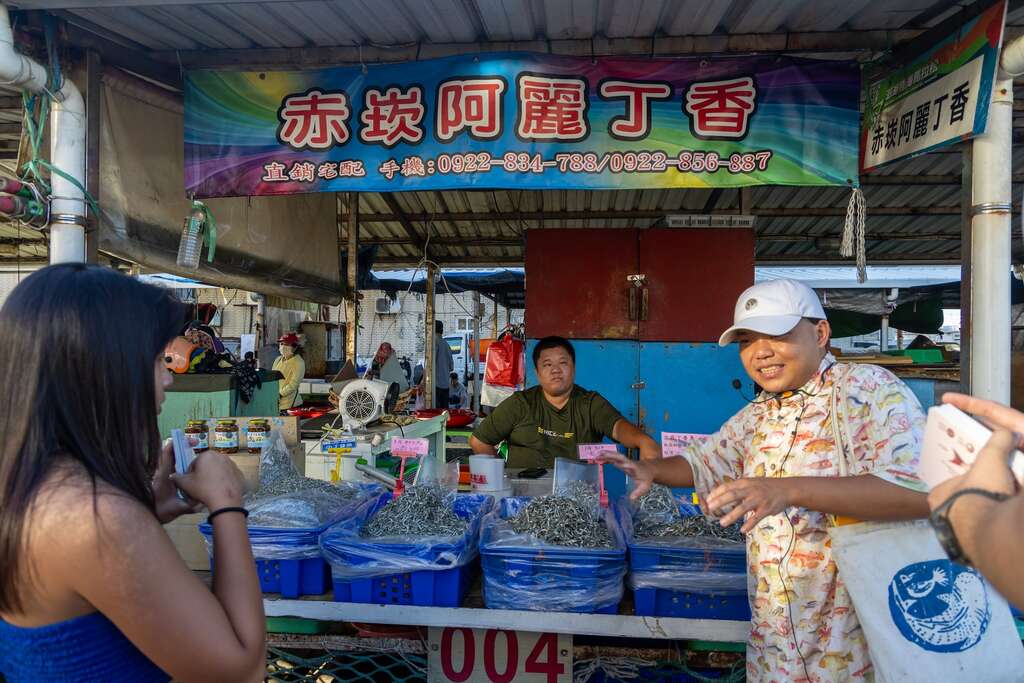
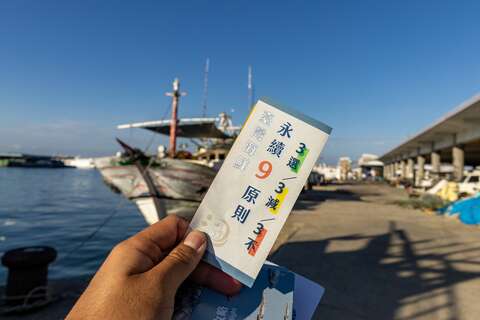
At the end of the tour, Fish Says promotes the Nine Principles of Taiwan Sustainable Seafood. After learning about the ocean and fish at the fish market, visitors can confidently select seafood with the right knowledge, working together to protect Taiwan's marine resources.
Learn more: Fish Says Fish Market Tour
Isle Trip
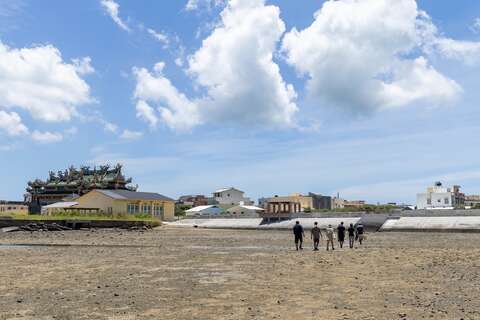
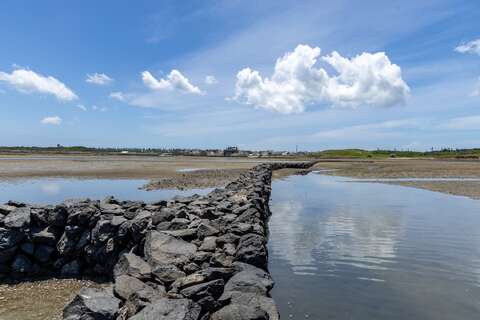
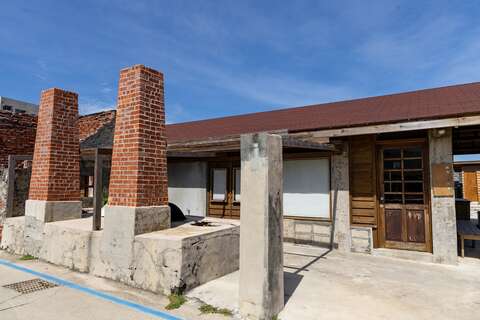
When mentioning stone weirs, the first image that comes to many people's minds is the Double-Heart Stone Weir in Qimei. In fact, stone weirs were once a very common fishing method in Penghu, with approximately 600 stone weirs throughout the archipelago! Located at Yongzhenfa Fish Kiln in Beishizhai, Hongluo Village, Huxi Township, Isle Trip Studio (離島出走工作室) initiated stone weir restoration efforts in 2017, training young craftsmen, promoting stone weir culture, and leading visitors into the intertidal zone to explore the construction methods and stories of Penghu's stone weirs.
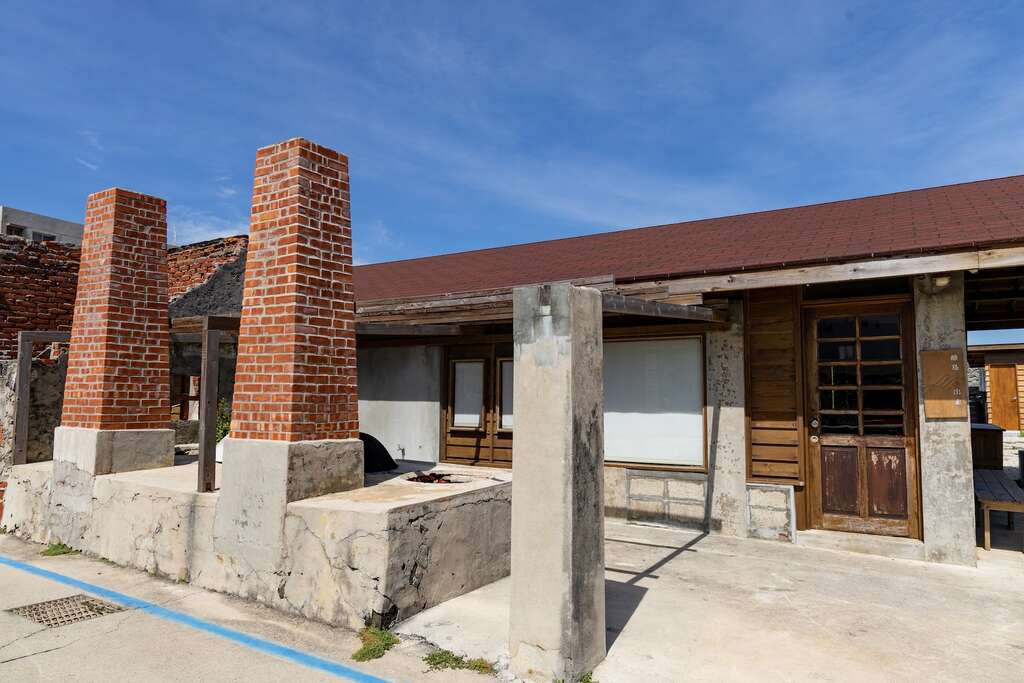
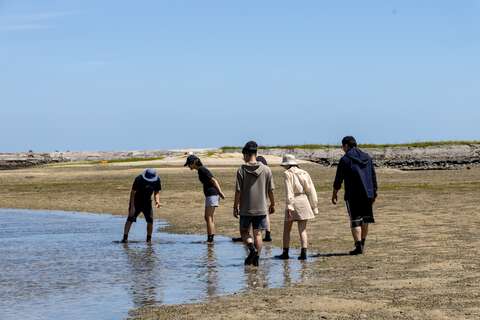
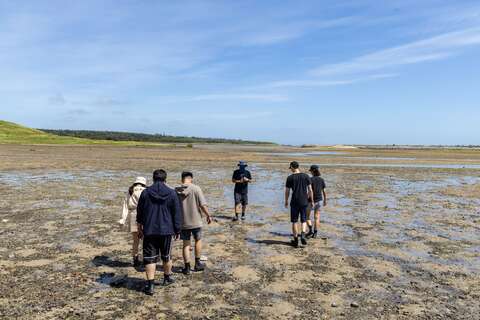
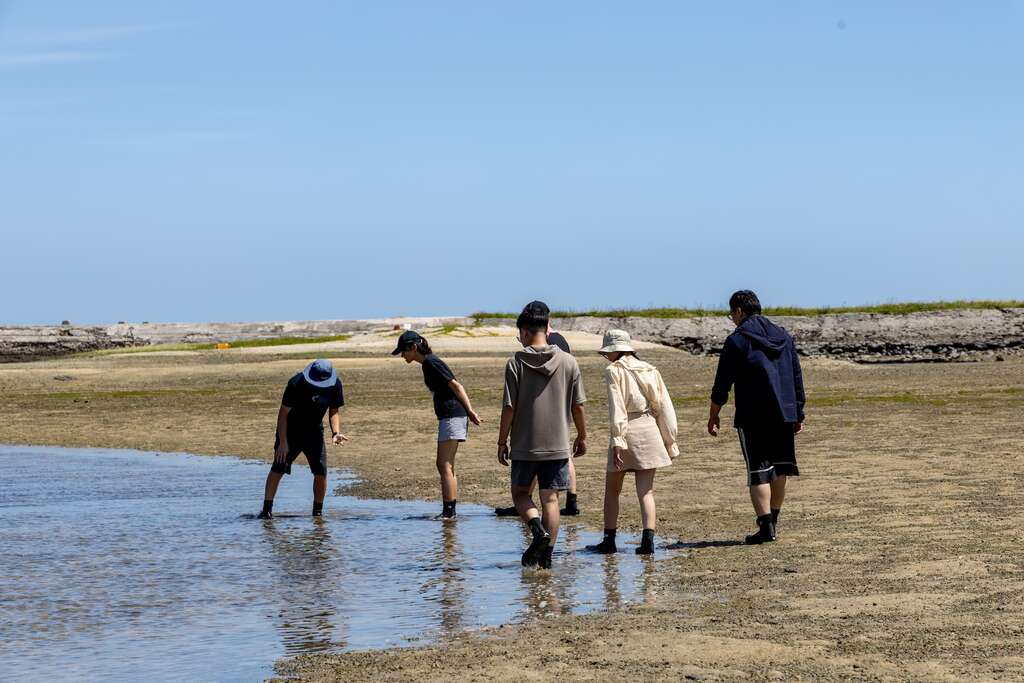
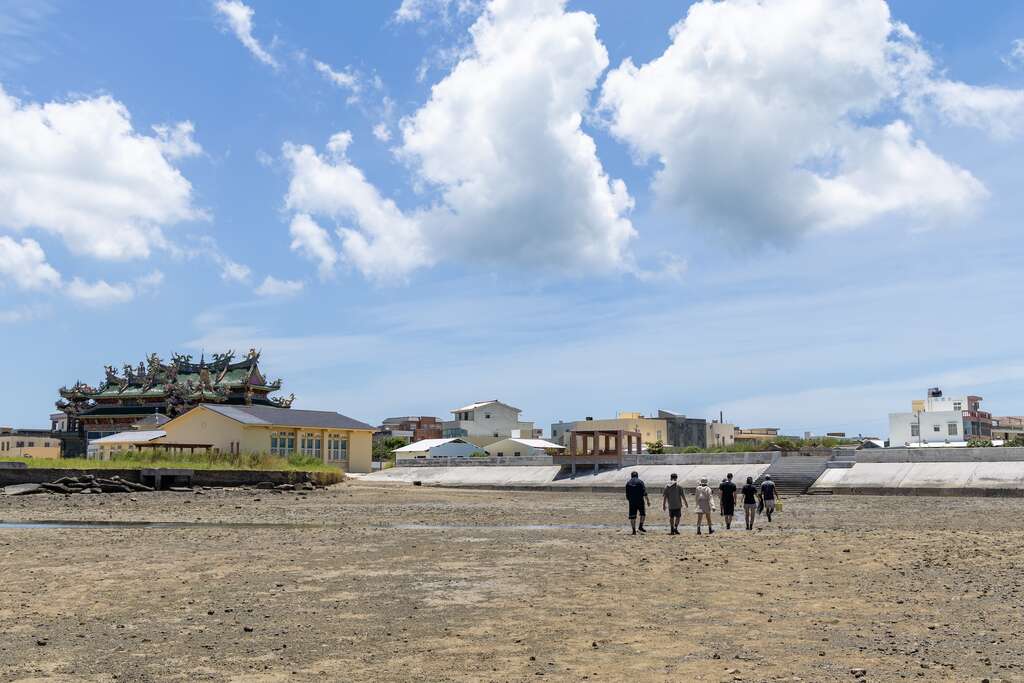
Hongluo Village is a major quarrying center for Penghu's coral limestone and the hometown of many stone weir craftsmen. Put on rubber boots and, under the guide's leadership, walk toward the boundary between ocean and land.
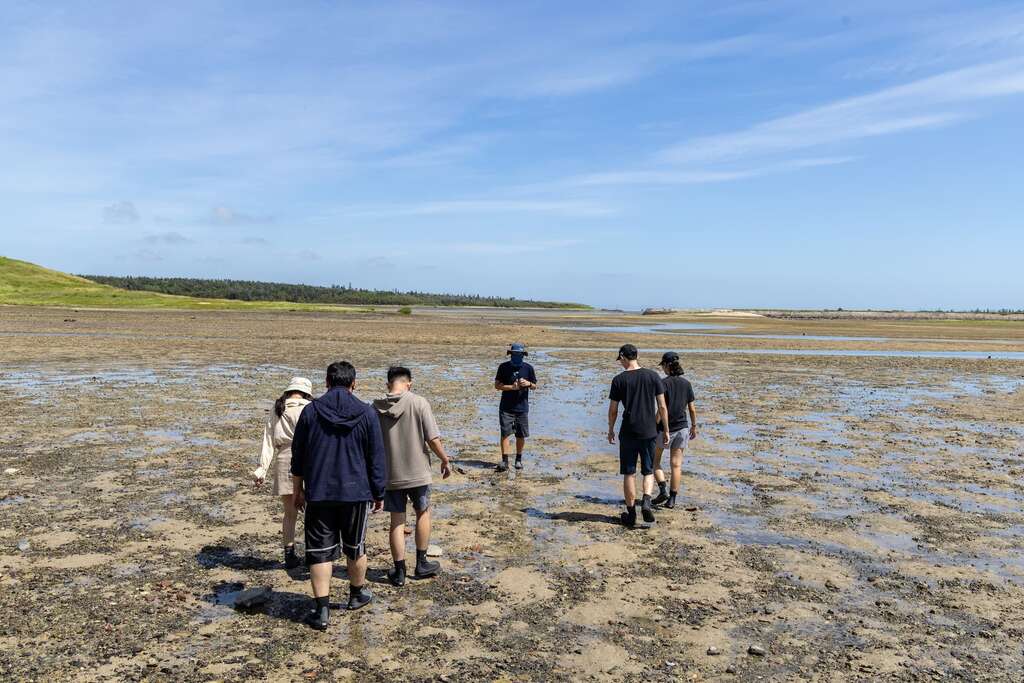
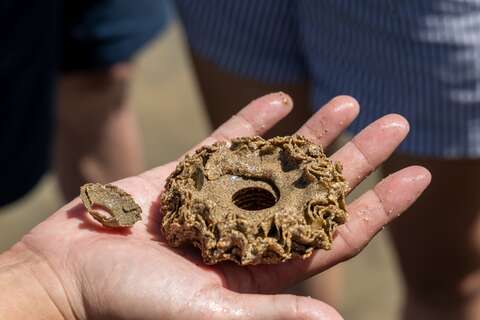
The land between the rising and falling tides is a habitat for numerous creatures. Through the guide's professional explanations, the ecological treasure trove of the intertidal zone is revealed one by one, such as the sand collars (Note 1) made by white moon snails and gray moon snails, which become cradles for baby moon snails.
Note 1 Sand collars are created by moon snails mixing fertilized eggs with sand for reproduction, giving baby moon snails the chance to hatch and grow.
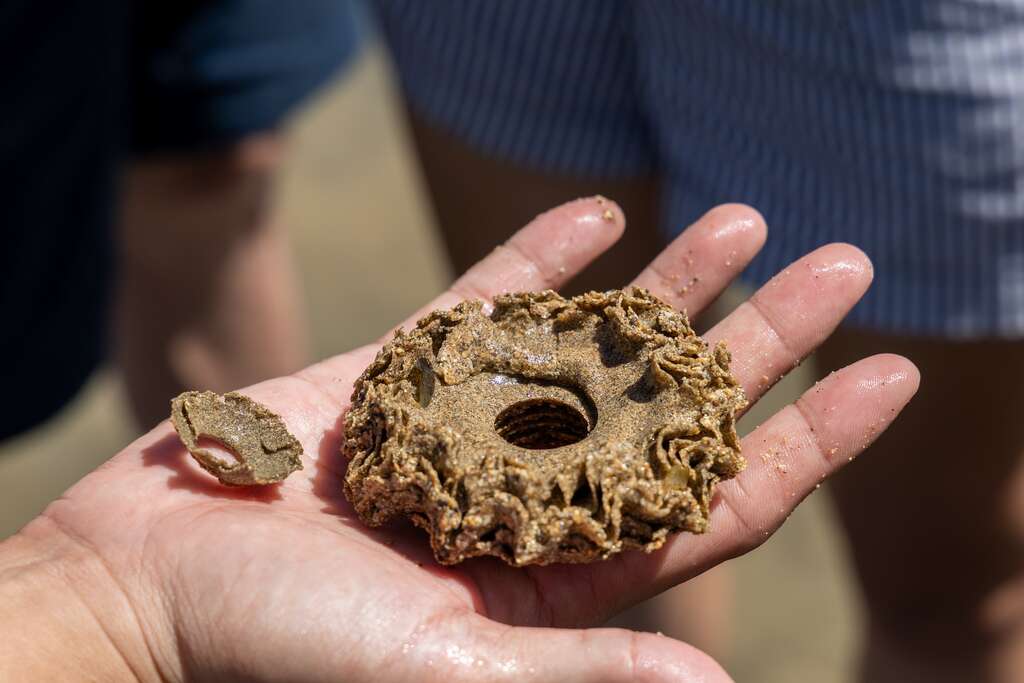
Left: Sand collar of gray moon snail; Right: Sand collar of white moon snail
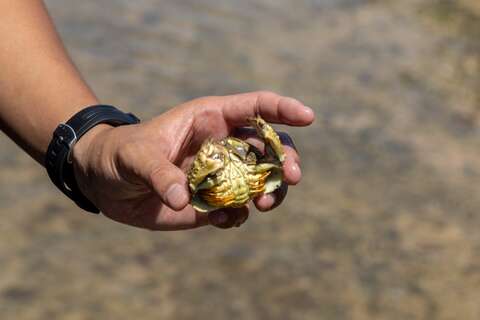
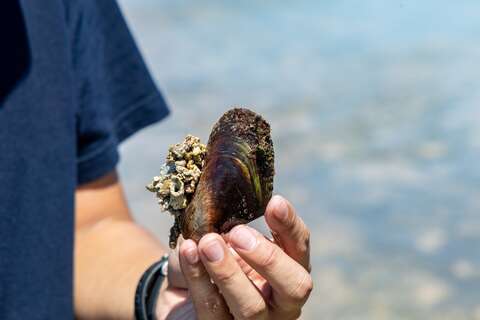
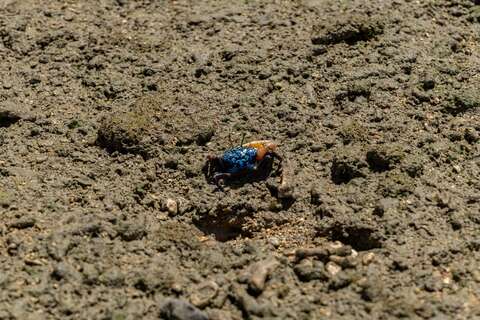
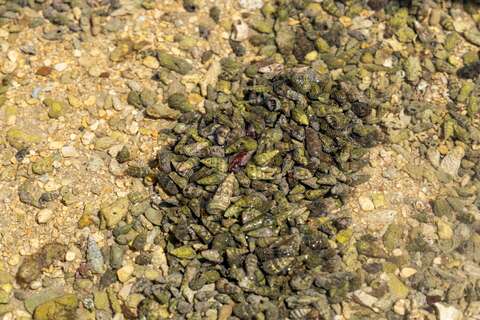
Clustered burnupena snails gather to resist being scattered by the tides and to search for food together. The camouflaged hepatus crab hides quietly in the sand, and the red oysters favored by gourmets are also found here. This intertidal zone is their shared home.
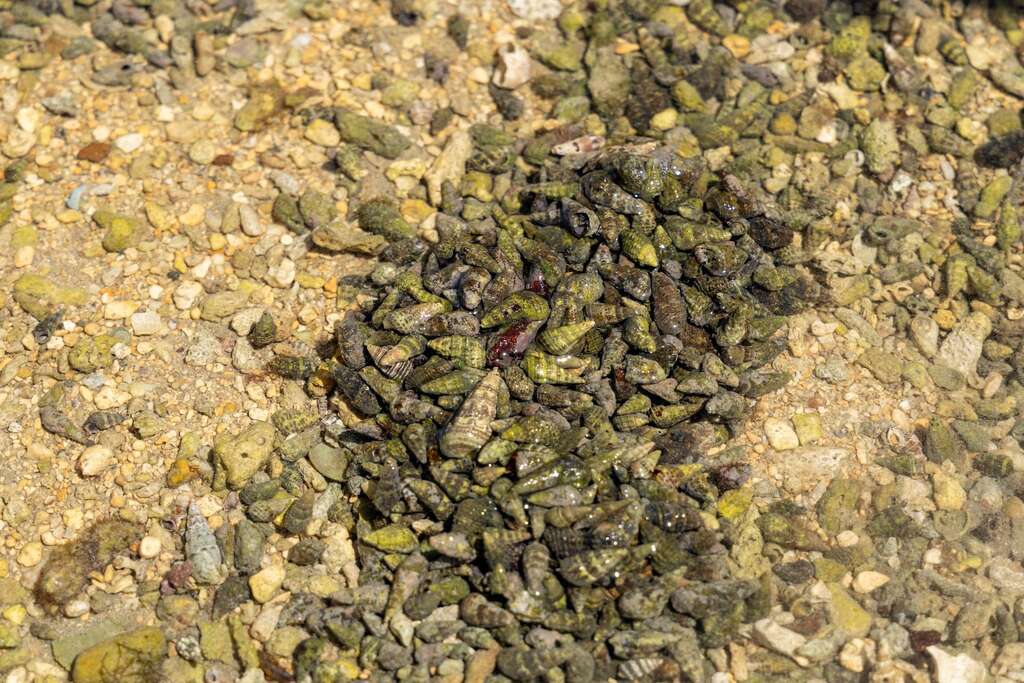
Burnupena snails
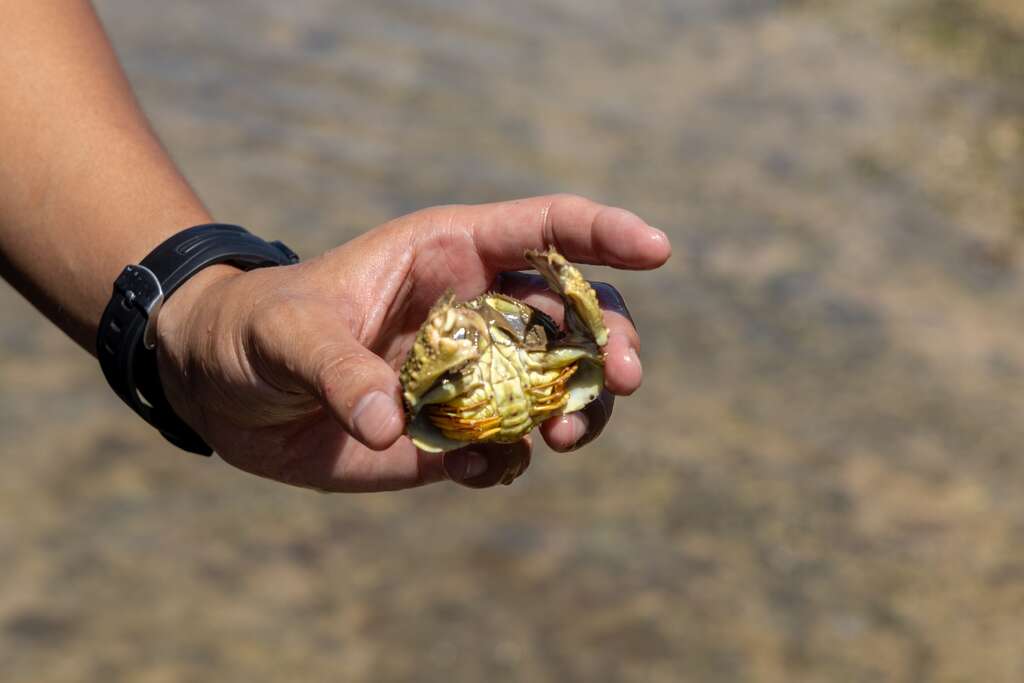
Hepatus crab
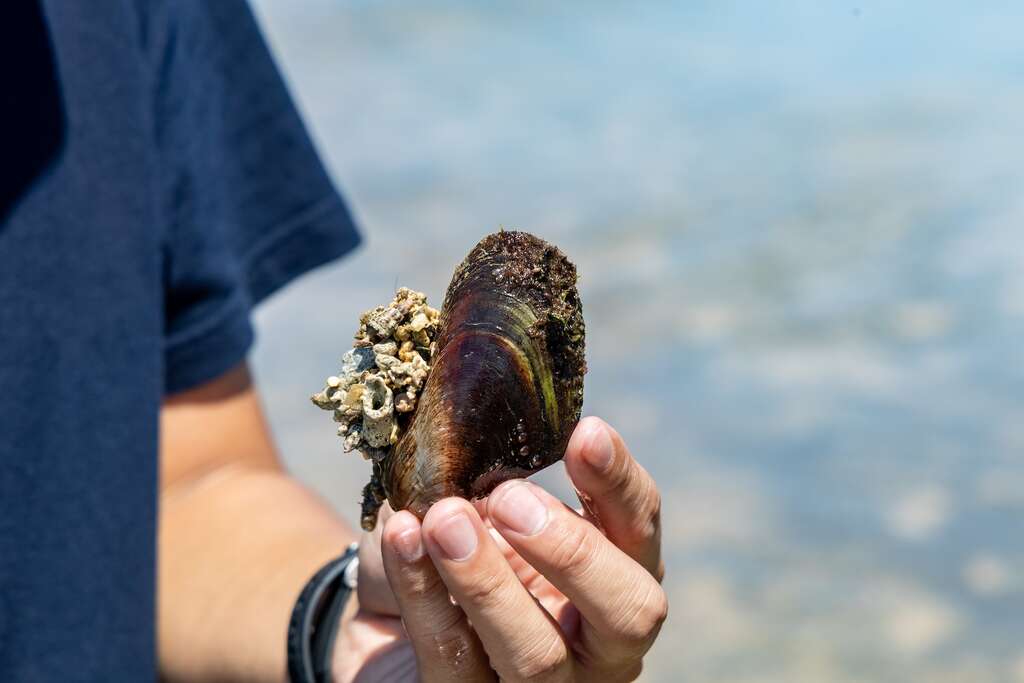
Skylark mussel, commonly known as red oyster
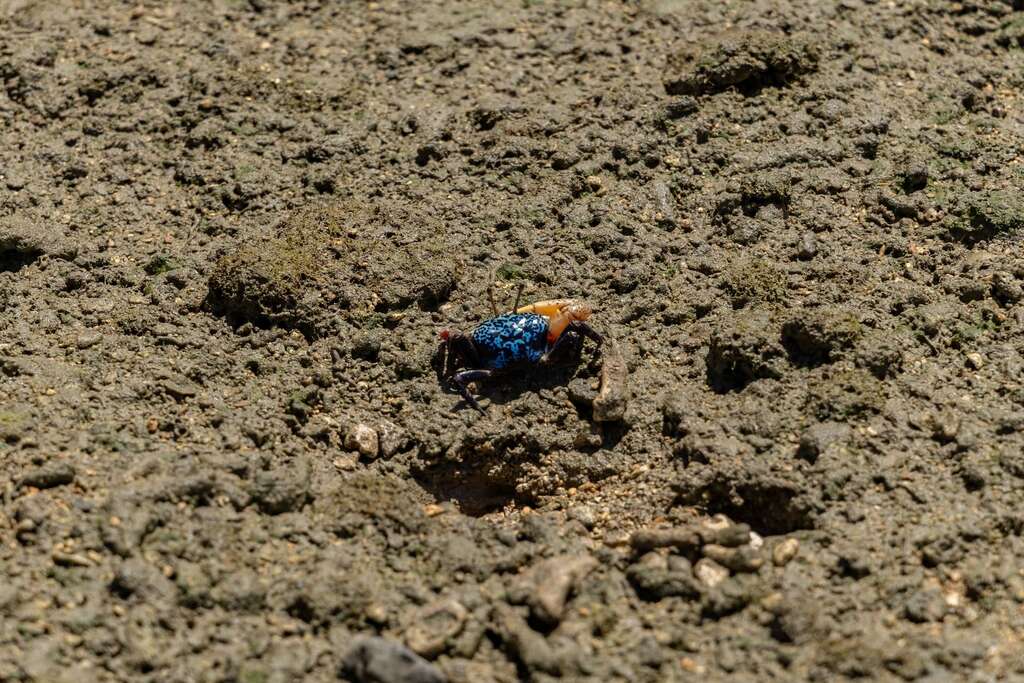
Colorful fiddler crab
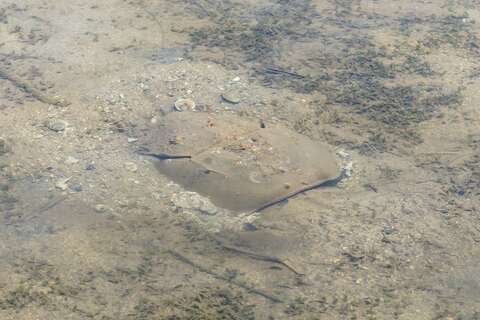
The horseshoe crab, a living fossil on Earth, has been living in the oceans since the Ordovician period, before dinosaurs appeared. Horseshoe crabs need to molt more than 10 times before reaching adulthood. Adult horseshoe crabs return to the intertidal zone to lay eggs, continuing this life story that spans hundreds of millions of years.
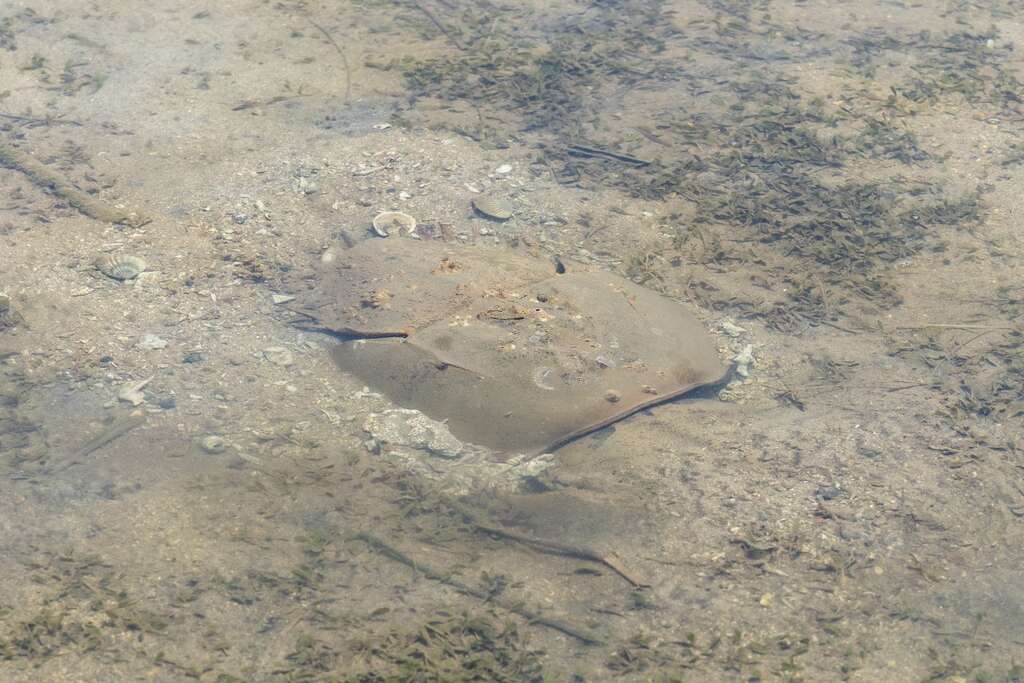
Chinese horseshoe crab, also known as tri-spine horseshoe crab
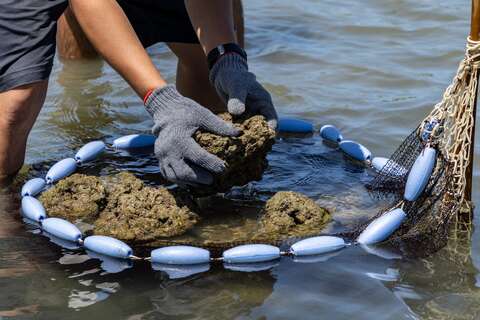
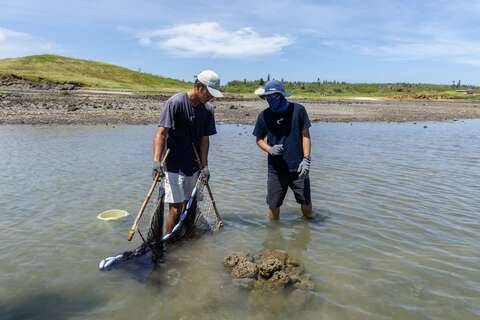
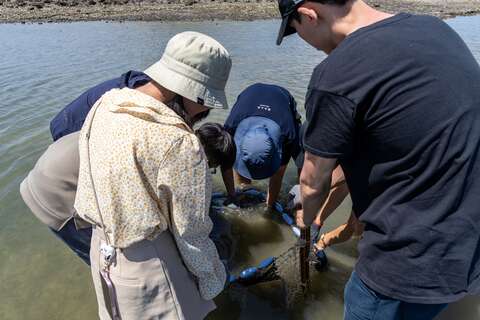
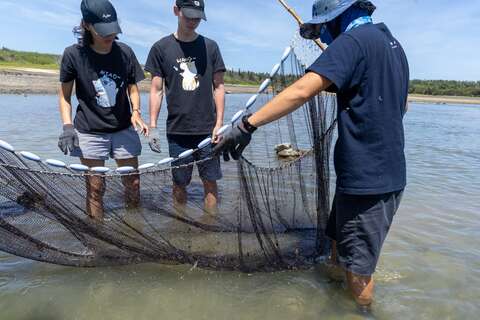
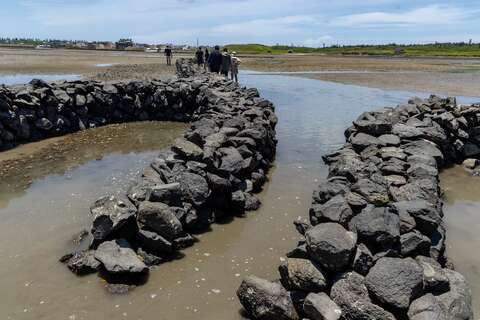
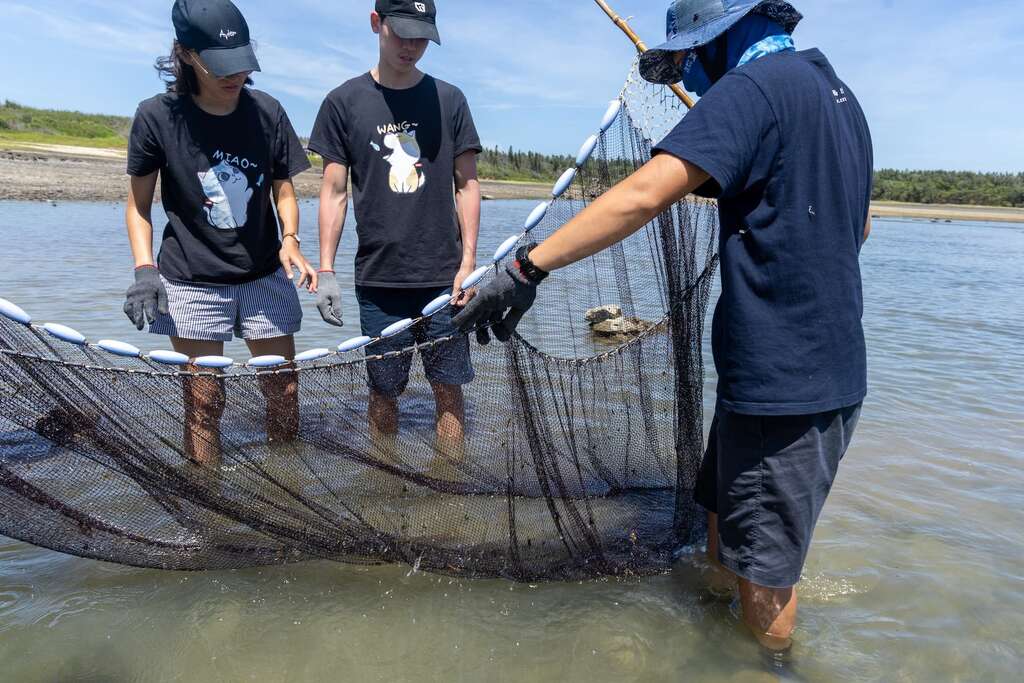
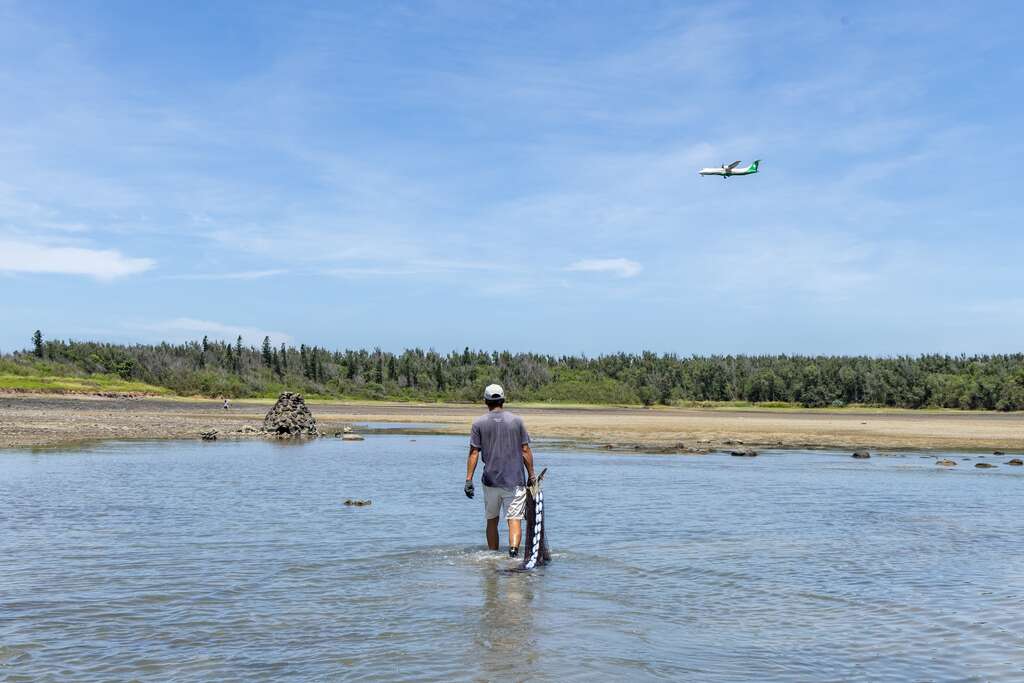
Put on gloves and personally experience the "baodun" fishing method. Penghu people stack stone piles in the intertidal zone; these spaces full of holes are environments that fish love, attracting bottom-dwelling creatures to settle in. During low tide, nets are placed around the stone piles, the stones are removed from the nets, and then restacked beside to form new stone piles - an environmentally friendly and sustainable fishing method.
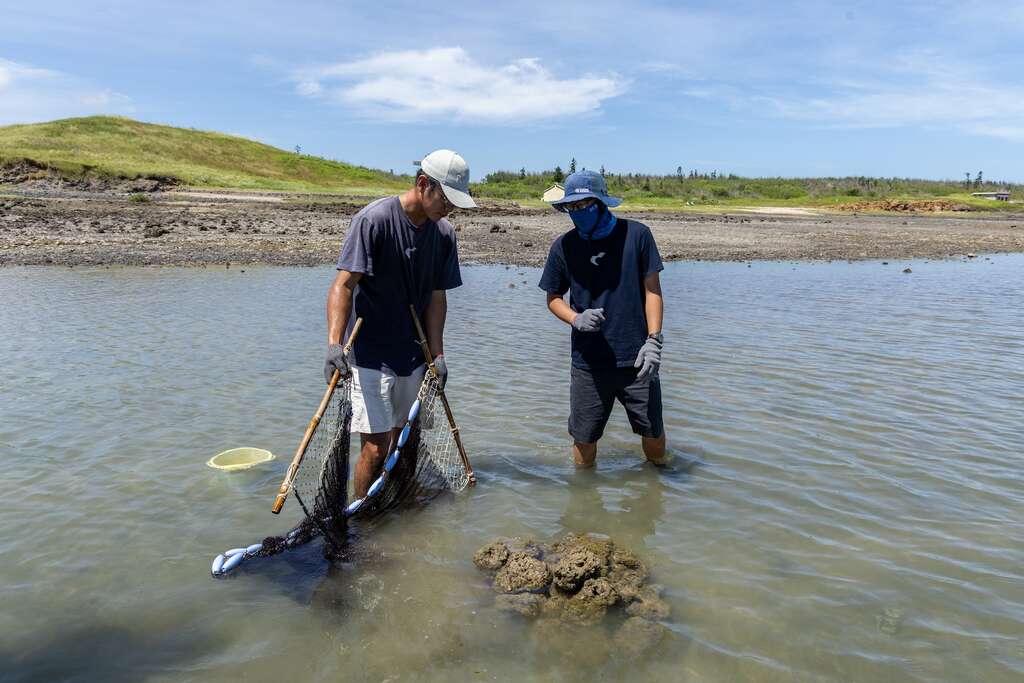
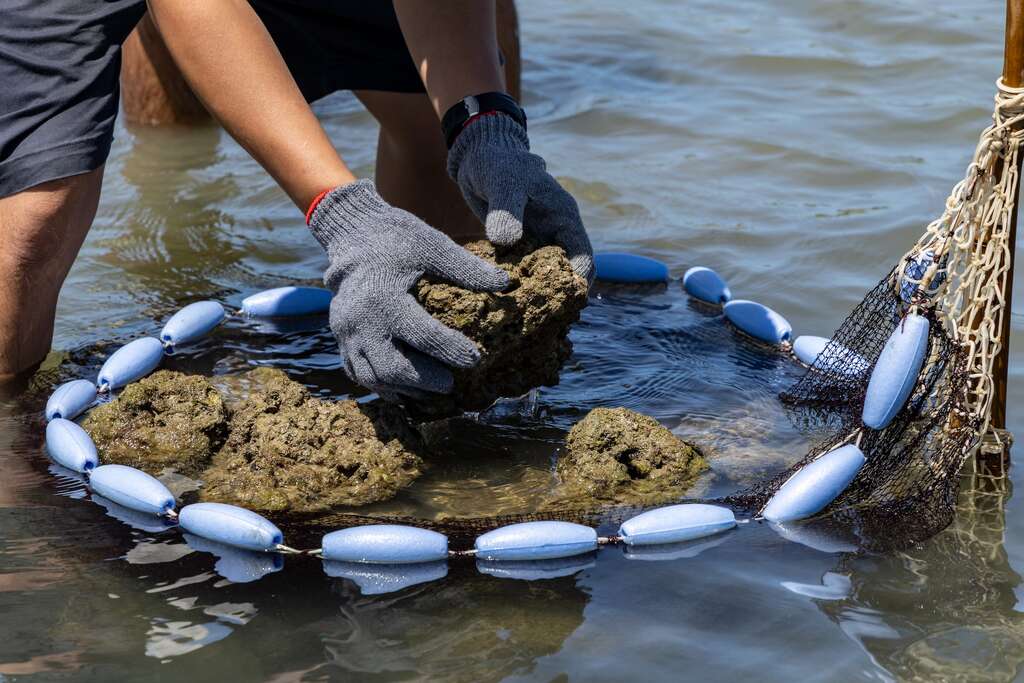
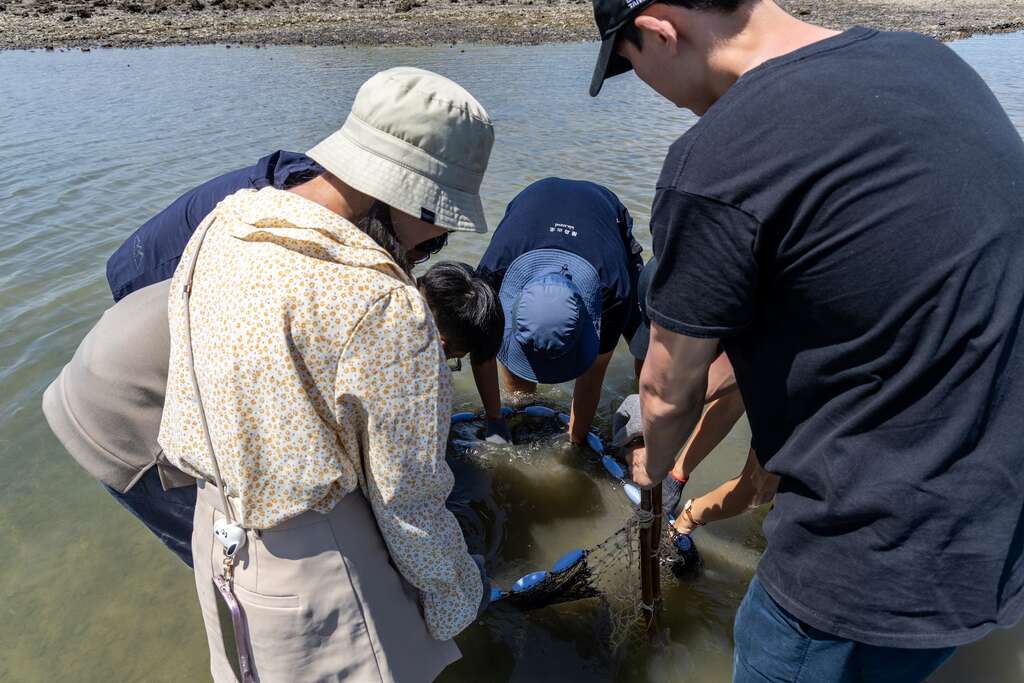
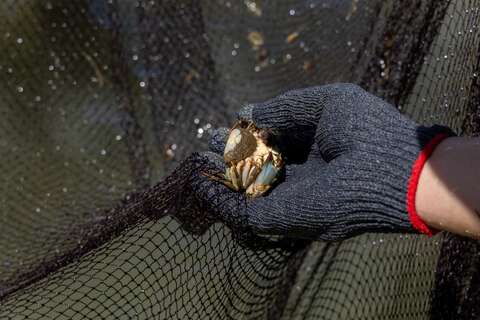
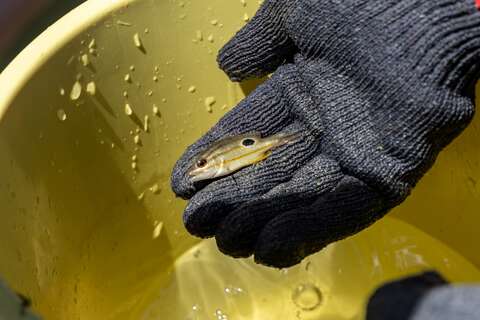
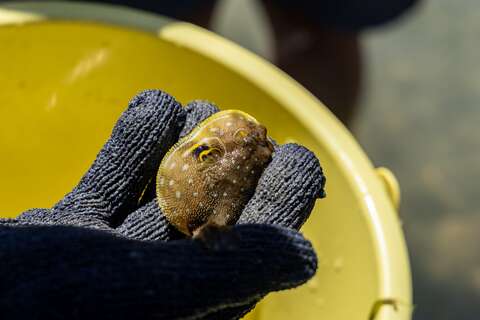
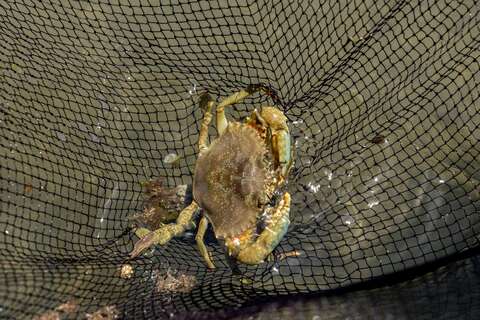
The moment of hauling in the net is always the most exciting! As the fishing net slowly rises, the creatures inside are revealed: mud crabs waving their large claws, puffed-up white-spotted pufferfish, and spotted Malabar groupers. Every haul brings different surprises.
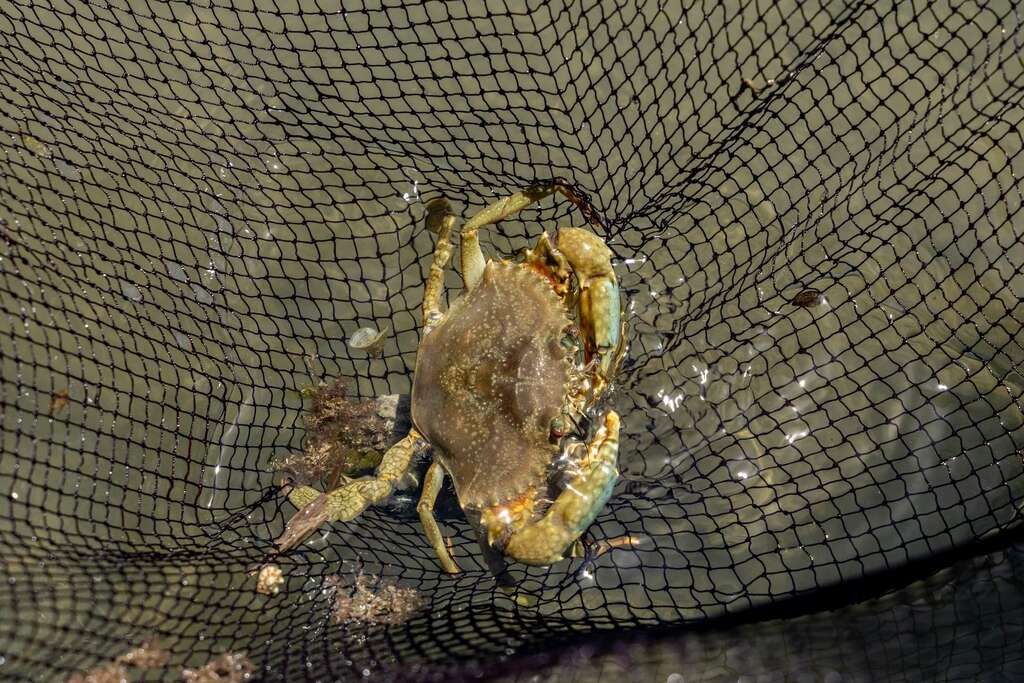
Mud crab
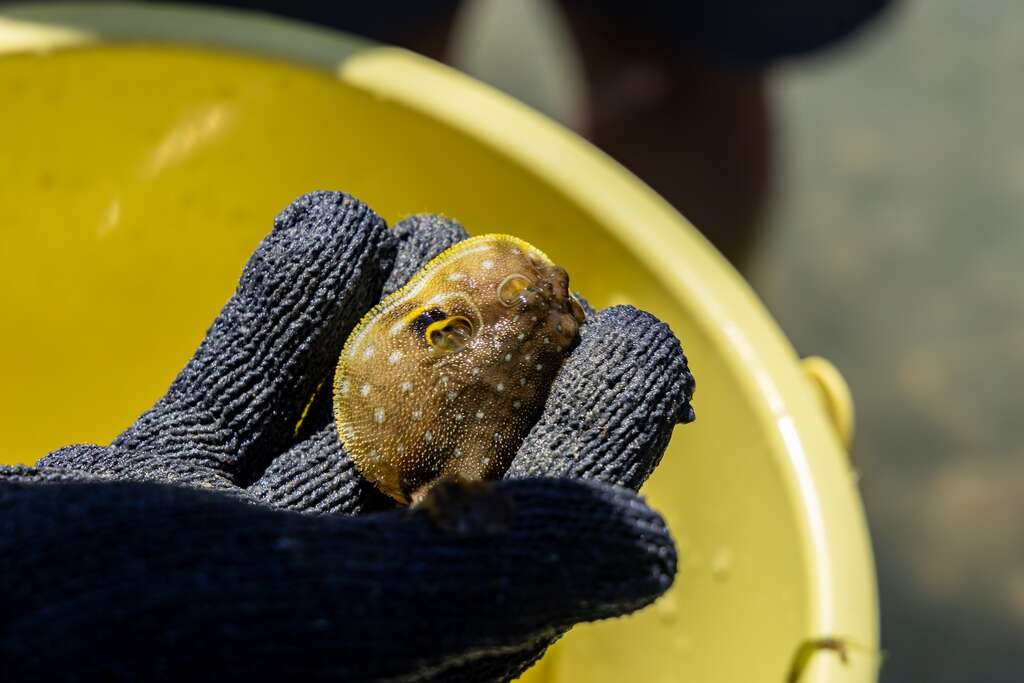
White-spotted pufferfish
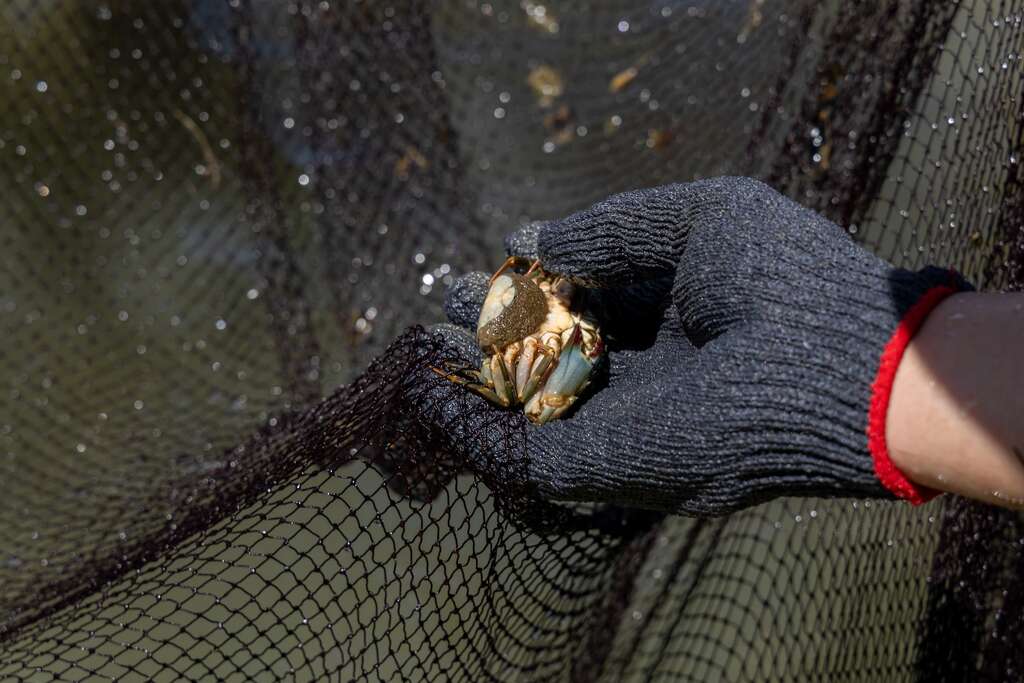
Egg-bearing female crab
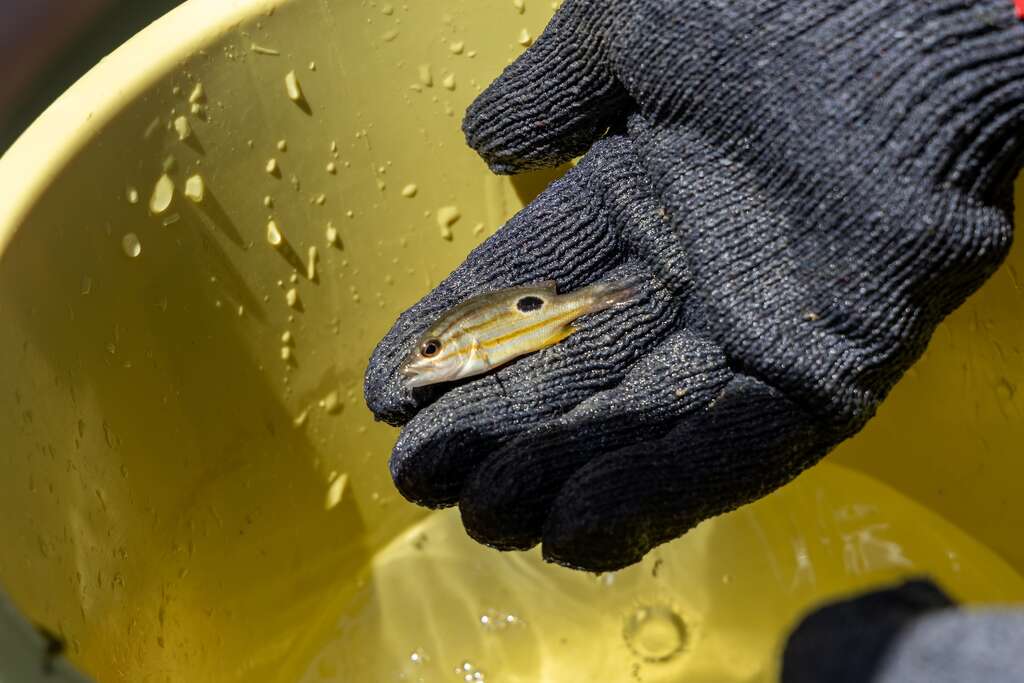
Black spot
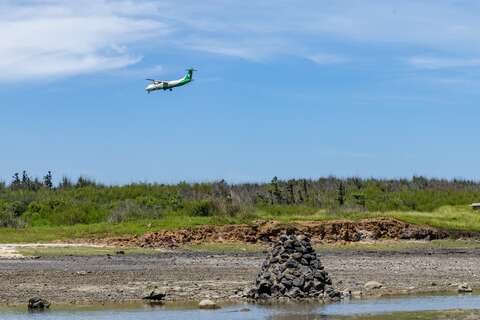
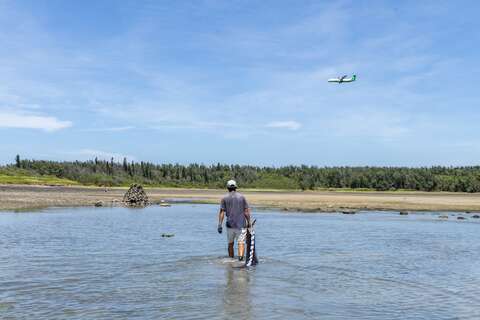
The scenery of Hongluo Village constantly shifts between looking up and looking down. Beneath your rubber boots lies the rich ecology of the intertidal zone; looking up, you can see planes taking off and landing at Magong Airport. The stone lighthouse on the shore was an important guide for ships entering the port in the past - used to judge the depth of shipping channels in the intertidal zone.
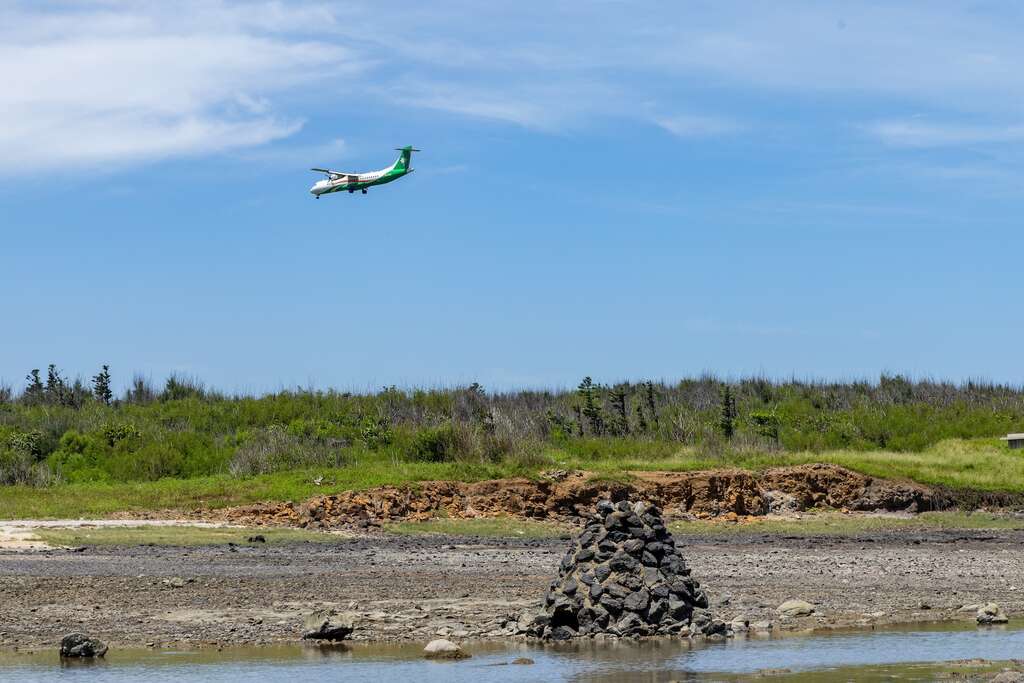
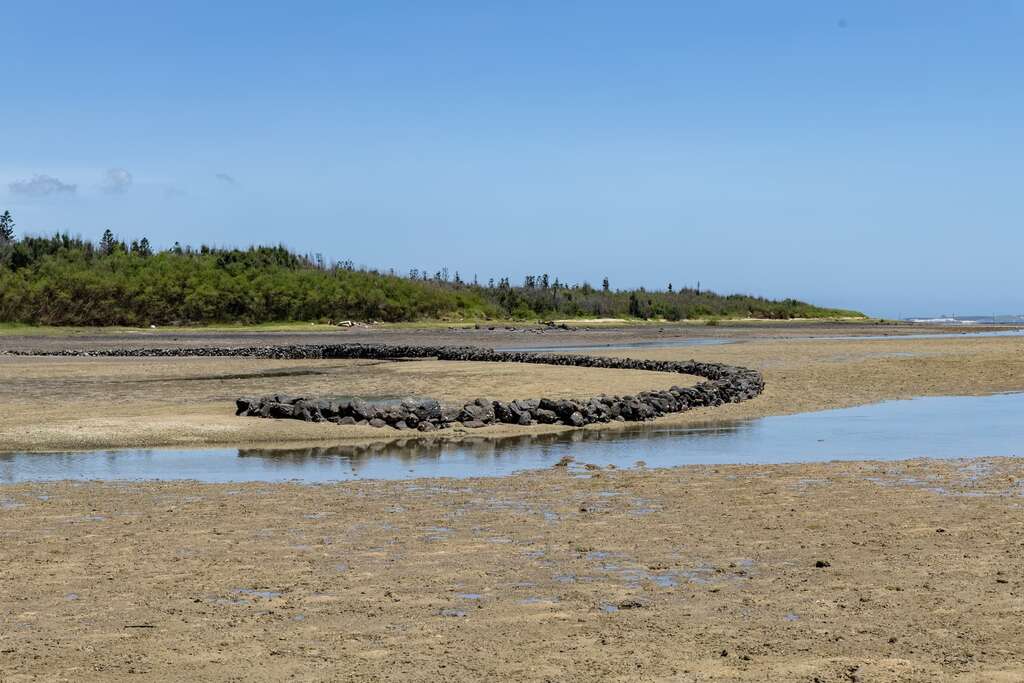
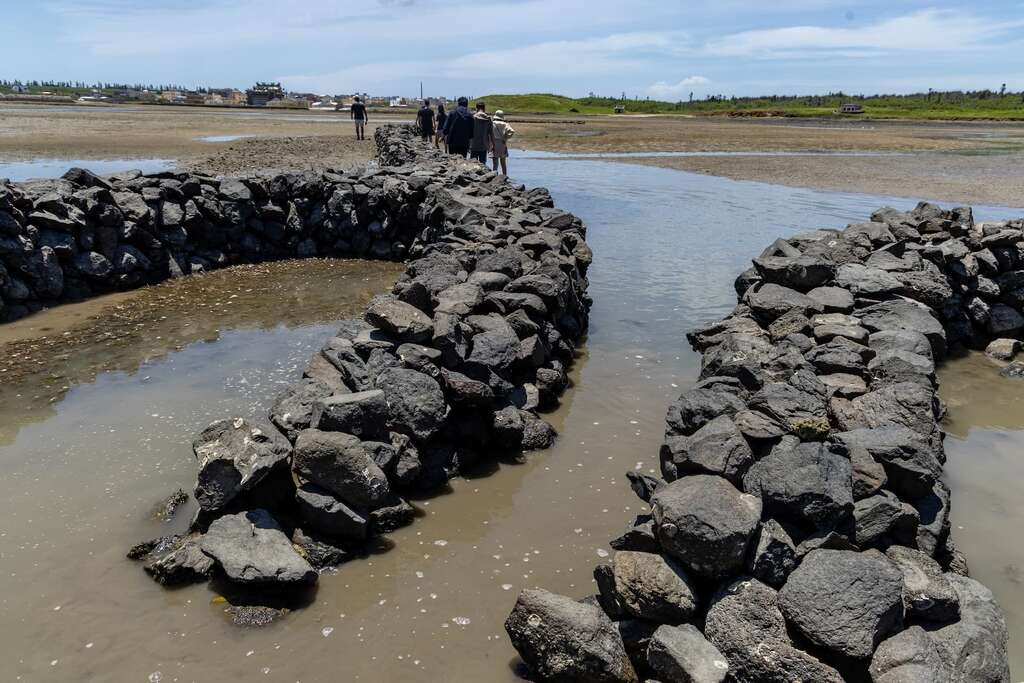
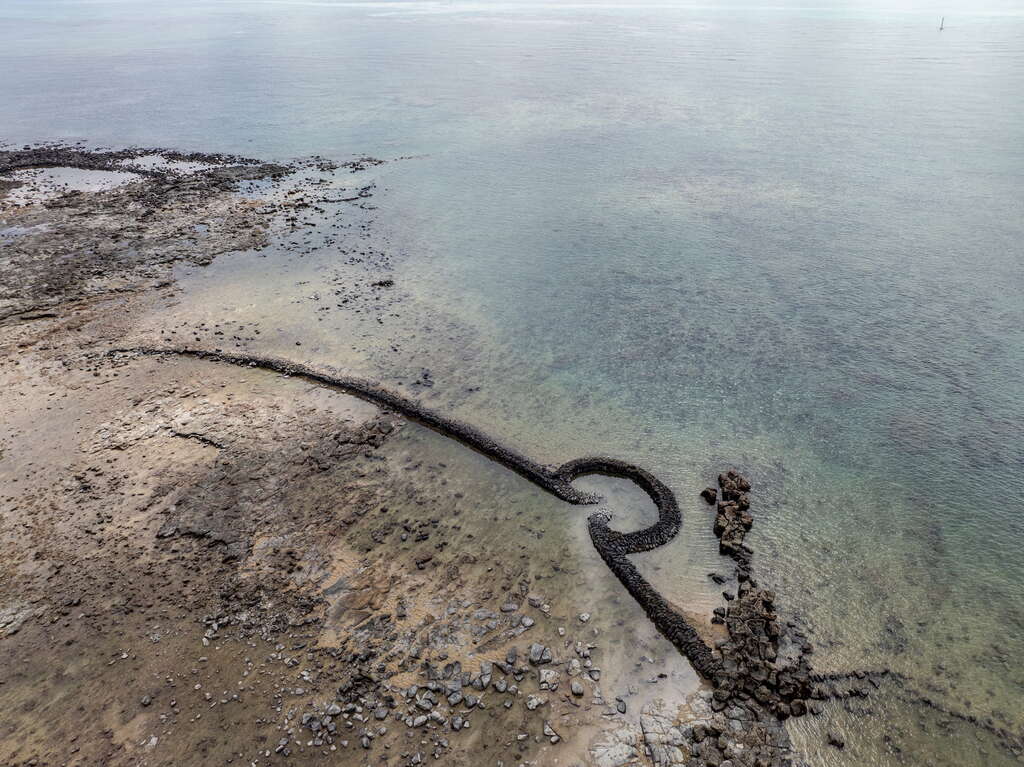
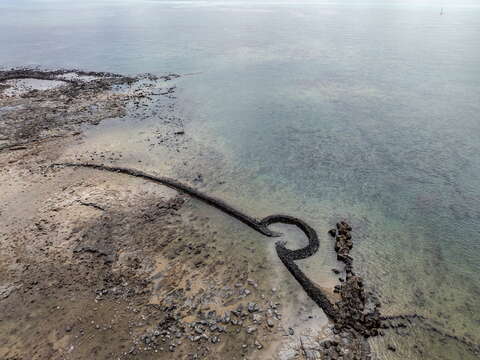
Aerial view of Guoye Stone Weir, being restored by Isle Trip stone weir craftsmen
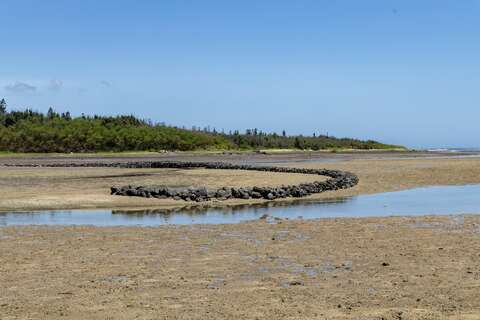
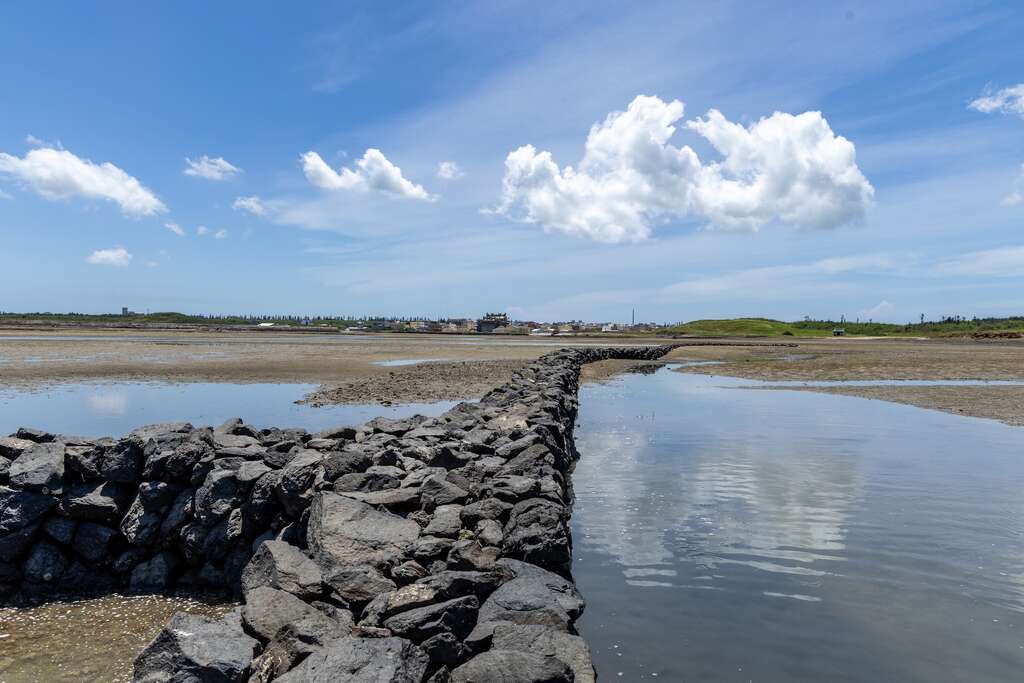
Stone weirs were once the most important trap fishing method in Penghu, with approximately 600 stone weirs across the archipelago. The construction and maintenance of stone weirs were usually operated through family shareholding systems, but due to environmental and cultural changes, only about 50 stone weirs remain in use today. Isle Trip revives stone weirs that have lost their fishing function through restoration efforts and sustainable tourism, preserving Taiwan's underwater cultural heritage.
This content was translated by AI. Please refer to the original text if you have any concerns.
Photos