Field Tea Research: Exploring Hualien-Taitung Tea Gardens
Posted Date:2025-01-02
Updated:2026-01-20
Popularity
373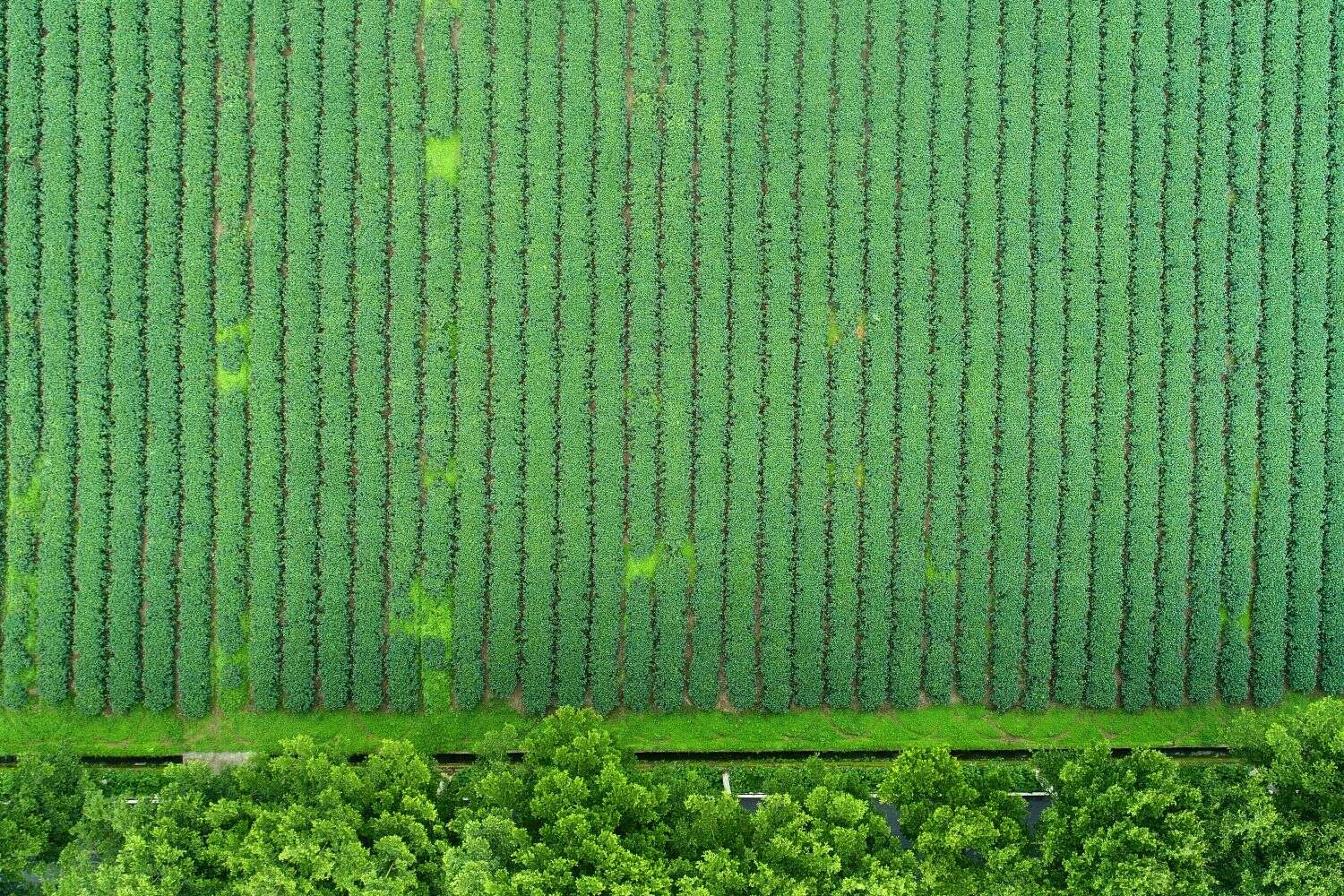
Luye Gaotai in Taitung, which attracts numerous visitors every summer, is also a famous tea-producing area in eastern Taiwan. Chike Mountain in Yuli, Hualien, known for its daylily flower season in summer, also has agritourism operators who cultivate both daylilies and tea, offering tea-picking experiences as well.
Luye Gaotai Red Oolong Tea
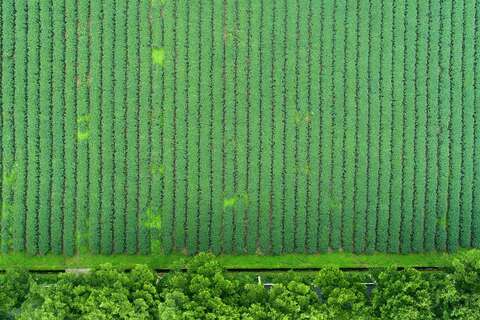
If you have the opportunity to participate in activities like paragliding and look down at the farmland scenery of Luye Gaotai and Beinan River Valley from the sky, the neatly arranged tea gardens beneath your feet will leave a deep impression on visitors experiencing flight. The tea gardens of Luye are mainly distributed in Longtian Village in the northern half of the plateau and Yong'an Village on the southern side. The terrain creates conditions with significant day-night temperature differences and good drainage, ideal for tea cultivation. The Assam black tea garden in the opening scene of the TV drama "Gold Leaf" was filmed at the tea gardens in Longtian.
The development of the tea industry at Luye Gaotai originated from government incentive policies in the 1960s, which led many pineapple farms to transform into tea gardens at that time, planting large-leaf Assam black tea. This made it one of the earlier developed tea farming areas in Taitung County, gradually becoming one of the main tea regions in eastern Taiwan. Later, small-leaf varieties such as Oolong, Tieguanyin, Wuyi, and Jinxuan were planted with remarkable success. When former President Lee Teng-hui served as Provincial Governor, he gave Luye tea the beautiful name "Fulu Tea" at local suggestion, which continues to this day. A farm road familiar to residents in Yong'an Village is also named Fulu Road.
However, affected by the opening of foreign tea imports, the tea-growing area around Luye Gaotai has shrunk from over 600 hectares at its peak in 1995 to about a quarter of that. Fortunately, "Red Oolong," jointly developed by the Tea Research and Extension Station and local tea farmers, has received widespread acclaim, revitalizing Luye tea and becoming a representative of Luye tea, even attracting tea connoisseurs from China, Europe, and America to visit specifically for it.
"Red Oolong" is not a specific tea variety, but rather a processing method that combines red tea and oolong tea techniques after the tea leaves are harvested, resulting in a clear reddish tea liquor that has the color of red tea but the sweet and smooth flavor of oolong tea. Visitors to Luye can also book tea experiences such as tea picking, tea whisking, tea sealing, and lei cha (ground tea) through the "Imagine Taitung" platform.
Tea Whisking: The tea whisking tour visits small-farmer friendly tea areas, where tea farmers personally introduce the Red Oolong production process, and visitors can pick "one bud, two leaves" themselves to taste the freshest Red Oolong. Then, after the tea master explains how to whisk the perfect tea with a chasen (tea whisk), visitors enjoy another cup to experience a completely different flavor.
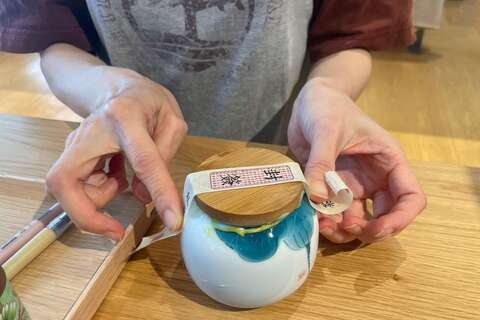
Tea Sealing: The "Tea Sealing" experience at Tianlai Tea Garden is like creating a "tea time capsule." After writing wishes or blessings for yourself or loved ones, seal them together with a small packet of tea in a tea canister, waiting to be opened and savored years later. The tea's flavor will slowly change over time, worthy of careful appreciation; the changing course of life contains endless stories. The tea sealing process not only introduces Luye's Red Oolong but also teaches more about cherishing and blessing in life. By the way, Tianlai Tea Garden's "Tea-Fragrant Beef Noodles" is also praised by visitors, so give it a try.
Lei Cha: "Yuanchang Tea Factory," which operates the "Xinyuanchang Black Tea Industry Cultural Center," was established in the 1960s, introducing Assam black tea cultivation at Gaotai and establishing Taitung's first tea processing factory. The Hakka owner adds black and white sesame seeds and peanuts to Red Oolong tea leaves and green tea, offering a Hakka lei cha experience that captures the essence of nature and culture in one drink.
Additionally, Yong'an Village has guesthouses converted from old tea factories, where rooms are filled with natural tea fragrance, accompanied by frog calls outside, with abundant ecological resources. Each guest room is named directly after tea varieties, adding extra charm.
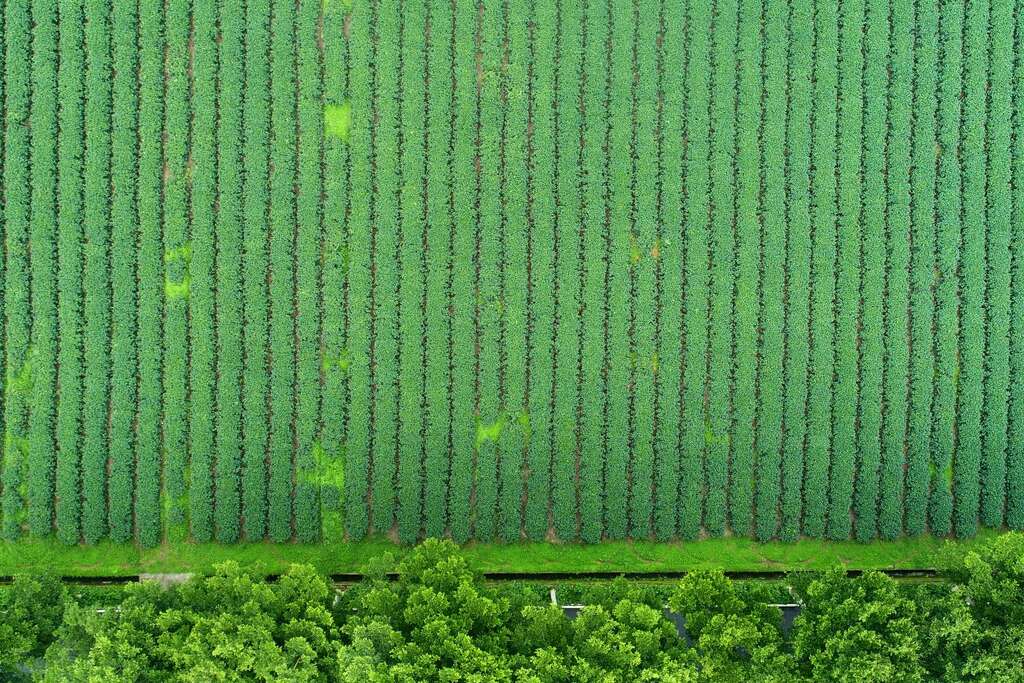
The tea industry at Luye Gaotai began developing in the 1960s
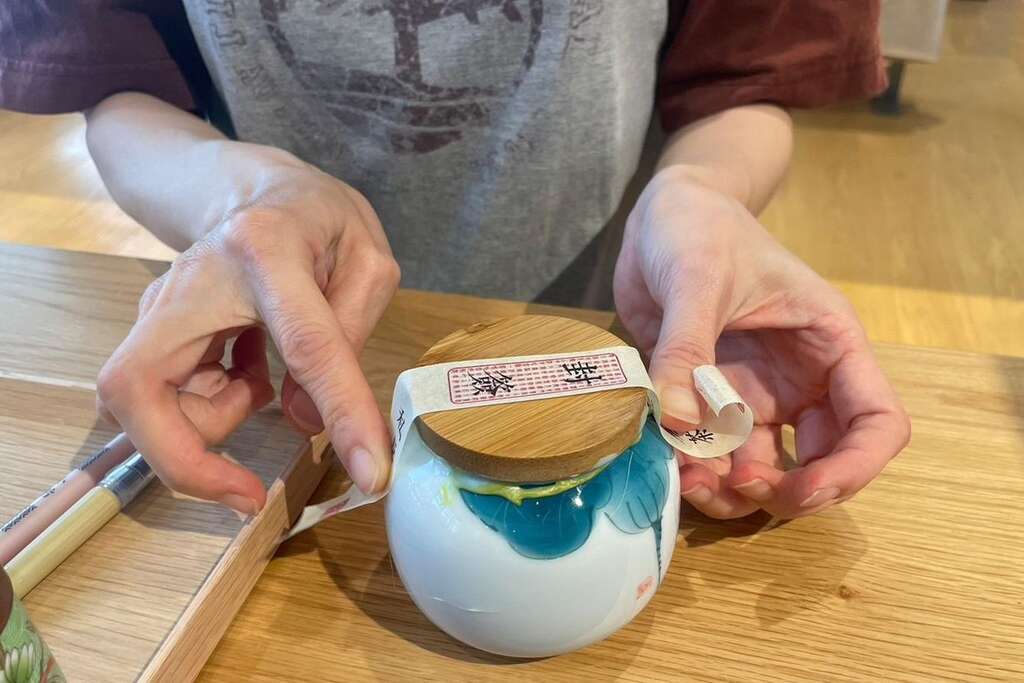
The "Tea Sealing" experience is like creating a tea time capsule (Photo provided by Imagine Taitung)
Chike Mountain Honey-Scented Black Tea
Continuing north along the East Rift Valley, we arrive at Chike Mountain in Yuli, Hualien. This area has long been famous for its daylilies. During the daylily season starting in August, many people are attracted to the mountain to enjoy the spectacular sight of daylilies covering the hillsides, as if arriving in a European countryside. With luck, visitors can even see "Jesus Light" streaming through gaps in the clouds.
Besides cultivating daylilies, Chike Mountain is actually also a tea-producing area. Tea farmers utilize Chike Mountain's altitude of approximately 800 to 1,000 meters, frequent cloud and mist coverage, and conditions suitable for small green leafhoppers to grow, producing Hualien's unique honey-scented black tea.
The operators of Chike Mountain Tianxin Tea House moved to Hualien after the August 7th Flood of 1959, beginning their land reclamation life on Chike Mountain, planting daylilies, tea, oil chrysanthemums, and turmeric. After the senior owner experienced a serious illness in his early years, he decided to cultivate with care using organic, pesticide-free methods, producing non-toxic, high-quality tea. Today, the second generation also participates, and their tea achieved excellent results in a selection among over 100 tea samples from across Taiwan. To learn more about Chike Mountain's fine tea, visitors can also participate in tea-picking experience activities.
Chike Farm and Luyu Manor Guesthouse are also representative tea farmers of Chike Mountain. The second generation who moved to the mountain realized that daylilies at that time had only one harvest per year - not only did family members have long idle periods, but the rice jar at home was empty for even longer. They decided to develop a second industry and, with encouragement from family members, began planting tea. Now, with the third generation participating, the tea garden is managed with organic certification, with quality receiving even more recognition, earning the highest three-star honor in UK evaluations. The manor guesthouse also offers work-exchange accommodation opportunities during the peak daylily season, seeking travelers willing to stay on the mountain for at least half a month to enjoy the Tuscan sunshine in Hualien's mountains.
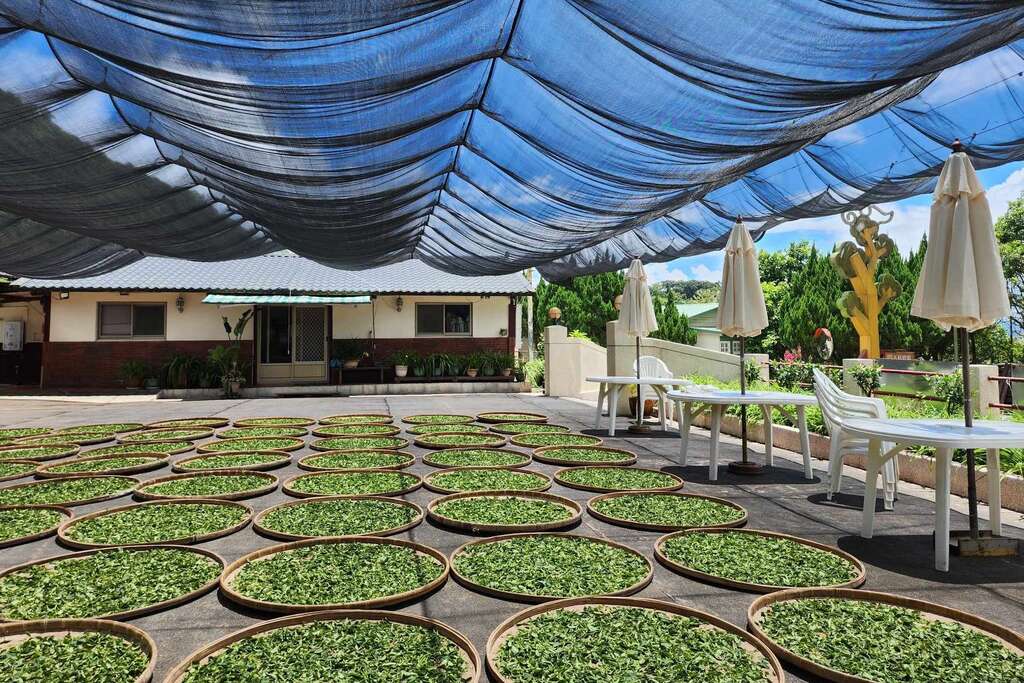
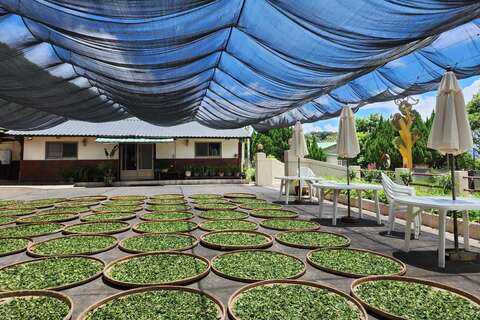
Besides cultivating daylilies, Chike Mountain is also a tea-producing area (Photo provided by Luyu Manor)
Yihe Tea, also produced on Chike Mountain, reflects the owner's preference for high mountain light-fragrance oolong while his wife favors honey-scented black tea - today both tea products receive acclaim. The brand name is derived from taking one character each from their children's names, also forming a homophone for "a box of tea" in Chinese. The whole family's dedication is concentrated in "Yihe Tea." Qingyouling Agricultural Products Shop offers tea rolling and tea sorting experiences, as well as DIY courses for lemon vinegar or dragon fruit tapioca pearls.
Hualien-Taitung Tea Discovery Journey
Every summer is the peak travel season for Hualien and Taitung. For visitors planning to visit Taitung and Hualien during summer vacation, don't forget when arranging your itinerary that both places have fine tea waiting to welcome everyone! Besides Luye Gaotai and Yuli's Chike Mountain, Hualien's Wuhe Plateau is also highly recommended for a visit, where you can savor both tea fragrance and coffee aroma in one trip.
This content was translated by AI. Please refer to the original text if you have any concerns.
Photos