Forest Railway Journey: Yilan's Forest Railways
Posted Date:2025-01-02
Updated:2026-01-20
Popularity
518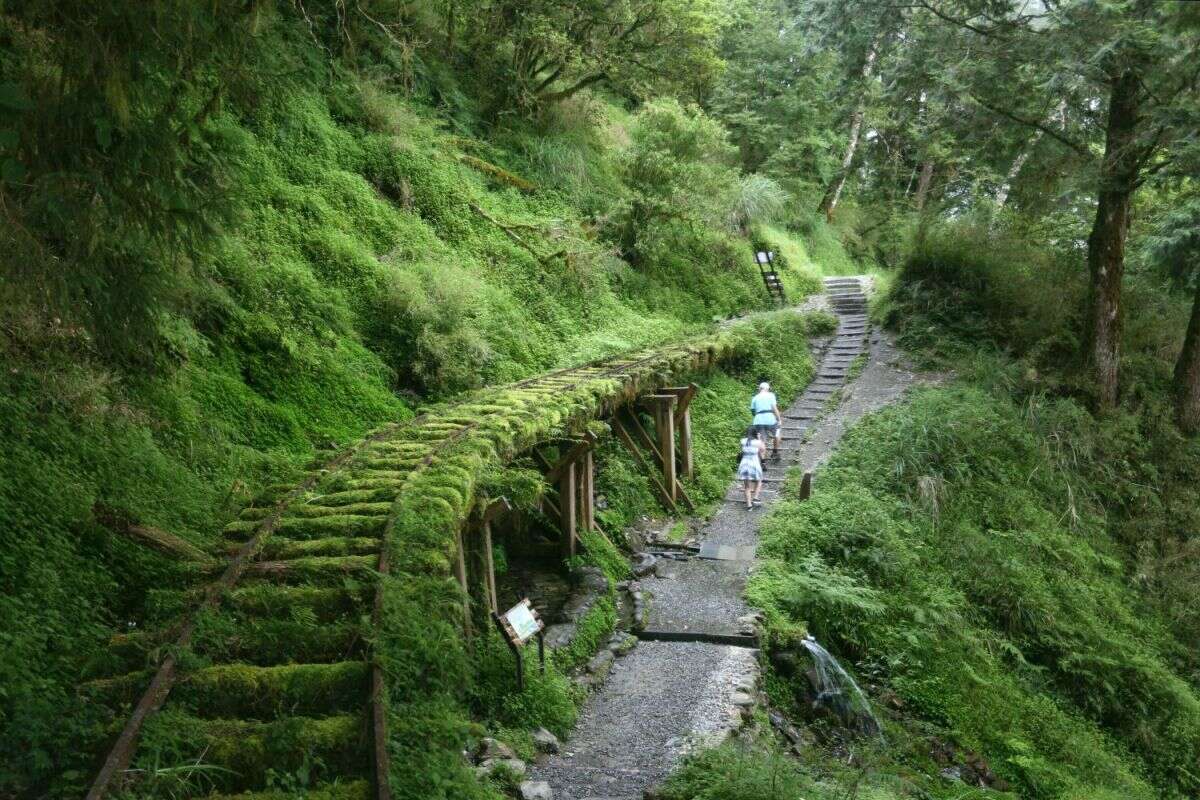
Taiwan's forest railways were primarily used for transporting timber from mountain areas, promoting the rapid development of the forestry industry and playing a crucial role during the logging era. These railways not only became the lifeline of Taiwan's forestry development but also drove local economic prosperity and changed the way of life in various regions. The most well-known is the Alishan Forest Railway, while the second-largest Yilan Taipingshan Forest Railway is also an indispensable part of Taiwan's forestry history.
Taipingshan Forest Railway
"Taipingshan Forest Station" was one of Taiwan's three major forest stations, and its forest railway system was roughly divided into three parts:
1. The 35.8-kilometer flatland section from Luodong to Tuchang Station at the foot of Taipingshan, also known as the Luodong Forest Railway.
2. The mountain-climbing section starting from Tuchang (including 3 cable car sections along the way), reaching Taipingshan Station, then branching into 3 routes toward different forest compartments, totaling approximately 65 kilometers of railway.
3. The Dayuanshan forest railway originally descended from a different direction but was later incorporated into the Taipingshan forest railway network, approximately 38 kilometers.
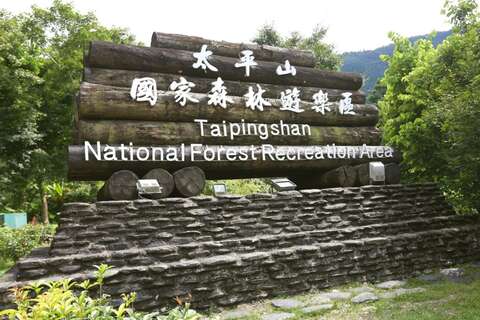
These railways began operation in 1924 and ceased operation the following year after a typhoon destroyed the routes in 1978, with a decision not to repair them, having served for over half a century. Logging operations at Taipingshan ended in 1982, and the New Taipingshan forest area was transformed into Taipingshan National Forest Recreation Area, opening in 1989.
The development of Taipingshan Forest Railway was about ten years later than Alishan, but this allowed engineers to discover that using newly developed cable car technology to transport timber down steep slopes would be much more economical than laying railways for trains, with transportation efficiency comparable to railways. The timber output from later development at Taipingshan Forest Station ranked first among the three major forest stations, largely thanks to this combined cable car and railway transportation system. Today, visitors can still glimpse the former forest railway's appearance at several locations along the old railway routes.
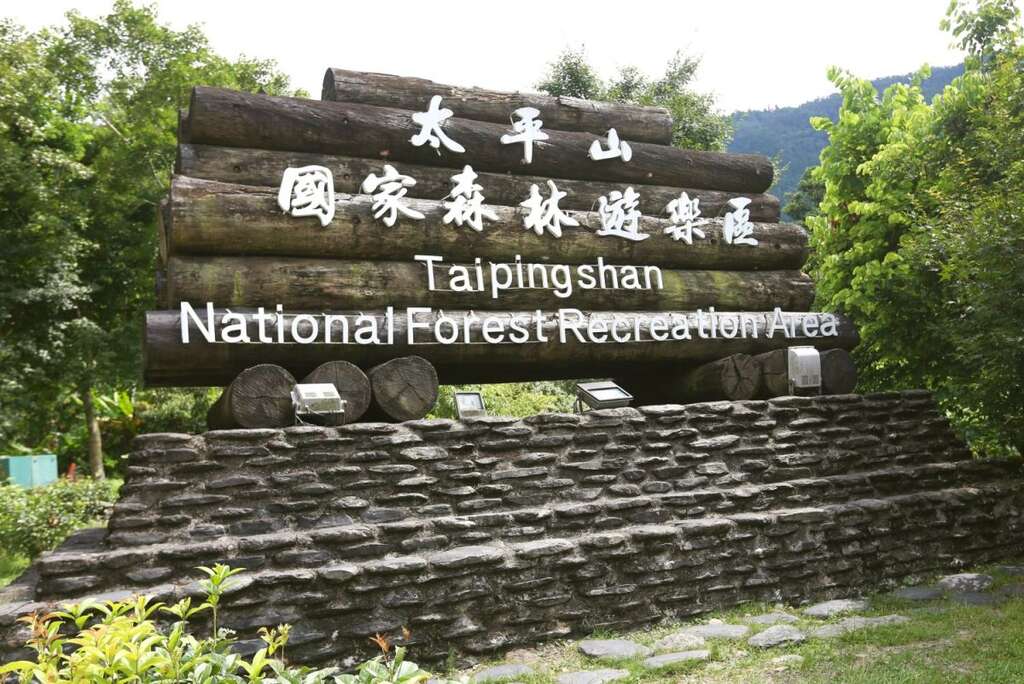
Taipingshan Forest Station transformed into a forest recreation area after retiring from its development role
Yilan once had over a hundred kilometers of forest railway network
Luodong Forestry Culture Park
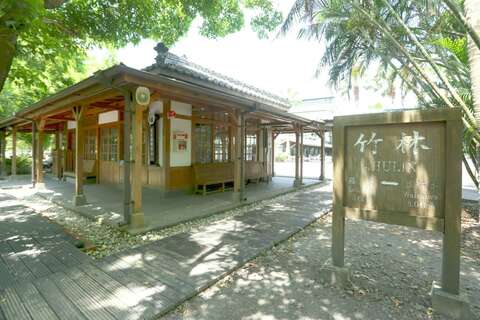
After the railway opened, its starting point was Zhulin Station in Luodong, which also became the forestry base on the Yilan plains. A large timber storage pond created using surface springs stored timber transported down from Taipingshan. After sorting and preliminary processing, the timber was transported by Taiwan Railways to paper mills or sold elsewhere. This shifted Yilan's forestry center to the south bank of the Lanyang River and injected vitality into Luodong's early urban development.
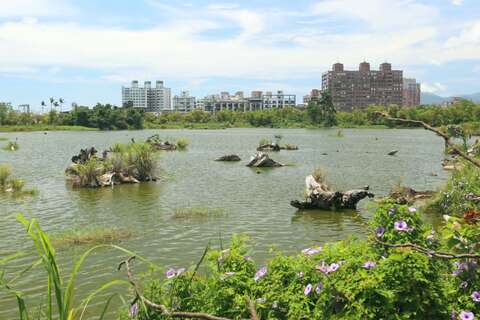
This site has now been transformed into Luodong Forestry Culture Park, open to the public, showcasing Yilan's rich forestry history through exhibitions, interactive tours, and trail facilities. The park is just a few steps from Luodong Railway Station, making it very convenient. The "Luodong Nature Education Center" located within the park focuses on ecological environment introduction. The former timber storage pond has transformed into a resource-rich ecological pond, with both aquatic and terrestrial areas attracting many creatures to inhabit.
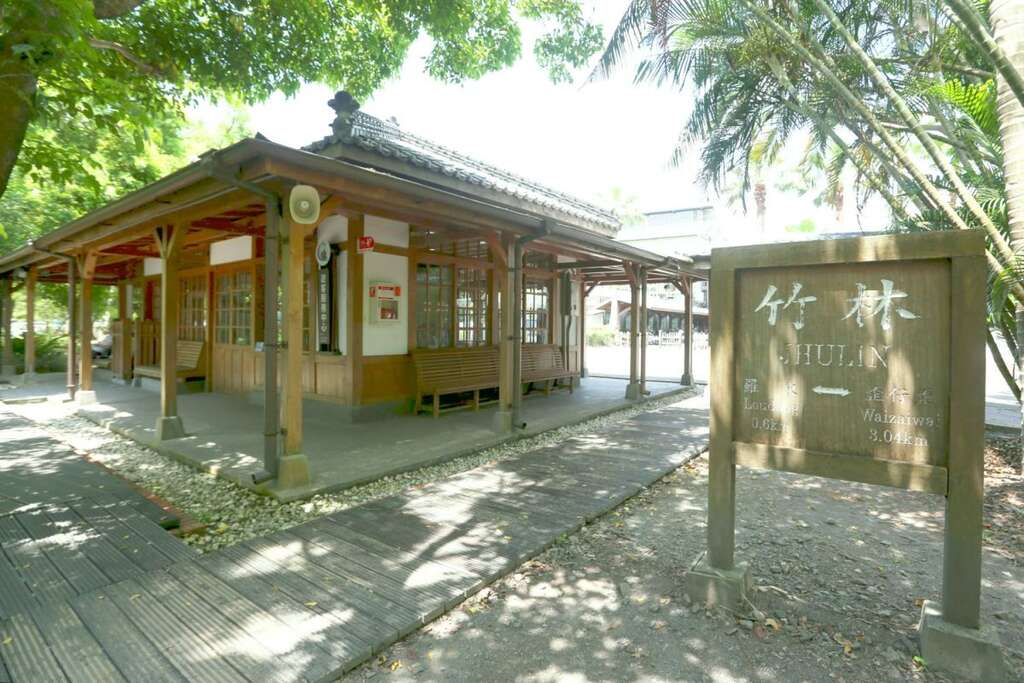
Zhulin Station was the starting point of the flatland section of the forest railway
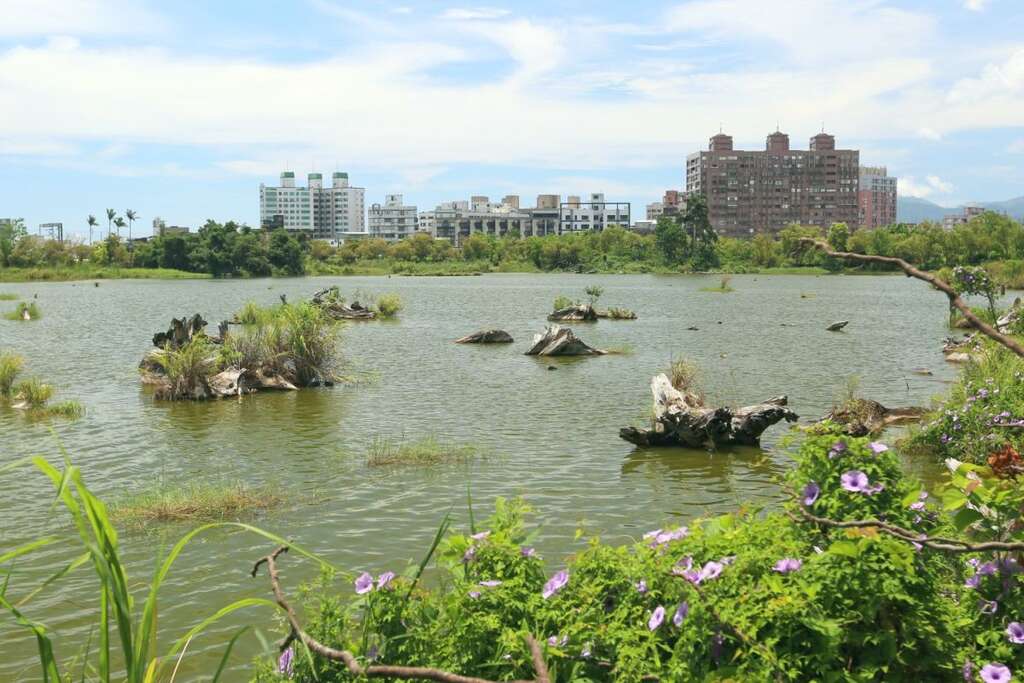
The timber storage pond at Luodong Forestry Culture Park has transformed into a resource-rich ecological pond
Tiansongpi Forest Railway Cultural & Creative Park and Leisure Agriculture Area
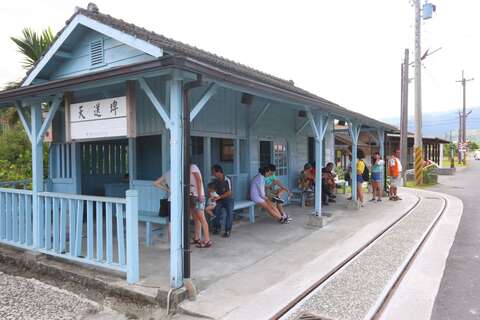
Tiansongpi, located in Sanxing Township, was once an important relay station on the forest railway. During the forestry boom, Tiansongpi served as a rest and supply point for forestry workers and residents, an indispensable part of work and life. The original wooden station building and related facilities have now been integrated into the "Tiansongpi Forest Railway Cultural & Creative Park," where visitors can see railway relics and historical buildings, feeling the traces left by time.
On the other hand, Sanxing Township is rich in natural and agricultural resources. The surrounding Tiansongpi Leisure Agriculture Area features operators offering various agricultural products such as Sanxing green onions, Shangjiang pears, silver willows, and tea. Visitors can experience pulling onions from the fields themselves, washing them and pan-frying them into scallion pancakes, and even making unique silver willow pens. Summer rafting on the An'nong River, winter bald cypress scenery, and numerous leisure farms and cycling paths open year-round also attract many visitors to Sanxing Township.
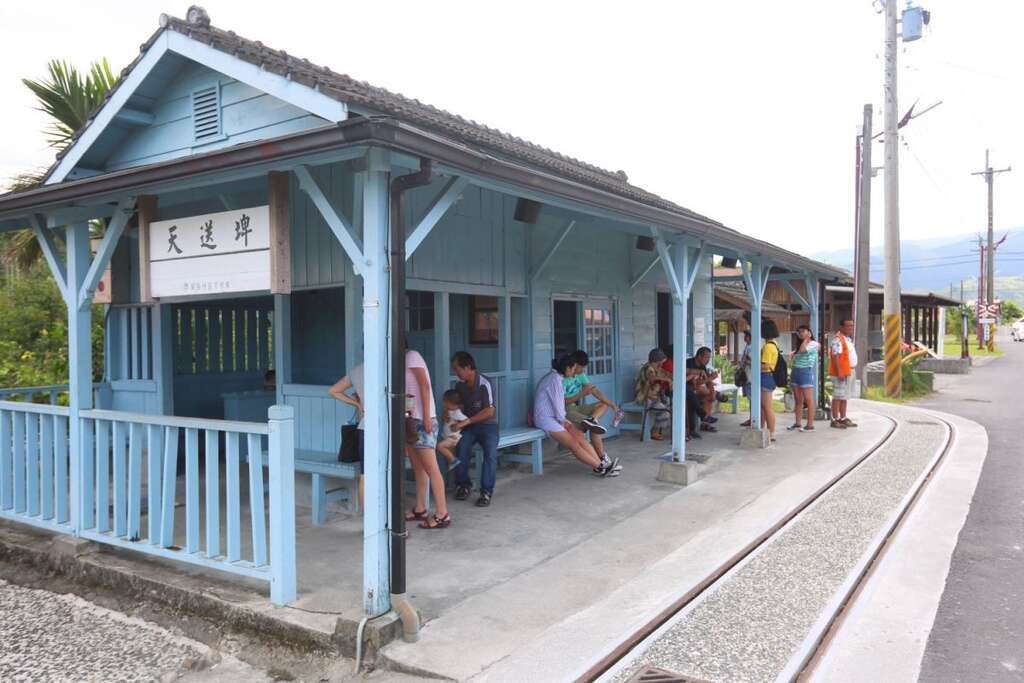
Tiansongpi Station still preserves its original wooden station building

There are leisure farms around Tiansongpi for visitors to explore (Photo provided by Taiwan Leisure Farming Development Association)
Tuchang Timber Transfer Center
Tuchang Station was once another important stop on the forest railway. The railway from Tiansongpi Station to here was laid along the Lanyang River, with treacherous terrain. The Lanyang River area is prone to typhoons and heavy rain, and even before the railway was discontinued, it had been interrupted multiple times due to natural disasters.
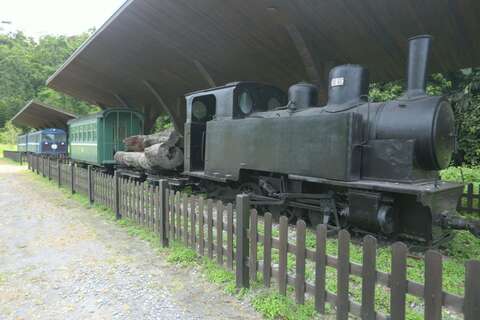
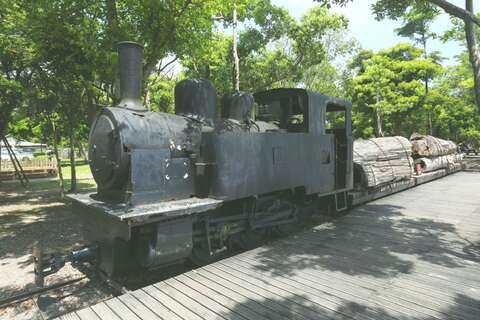
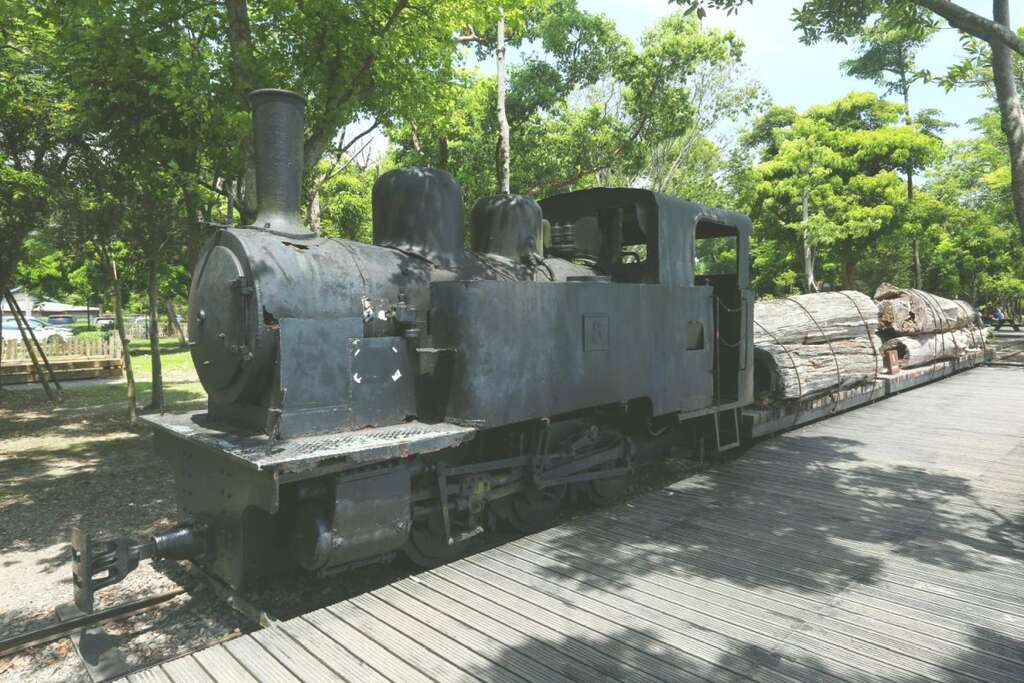
Tuchang was formerly a timber distribution center, where timber logged from the high mountains would first be transported here, then carried to the plains by railway. Today, near Tuchang Station, visitors can see the No. 1 steam locomotive produced in 1926, timber cars, wooden carriages, and two Zhonghua diesel passenger cars on display. Visitors who love forest railway trains should not forget to take extra photos of them.
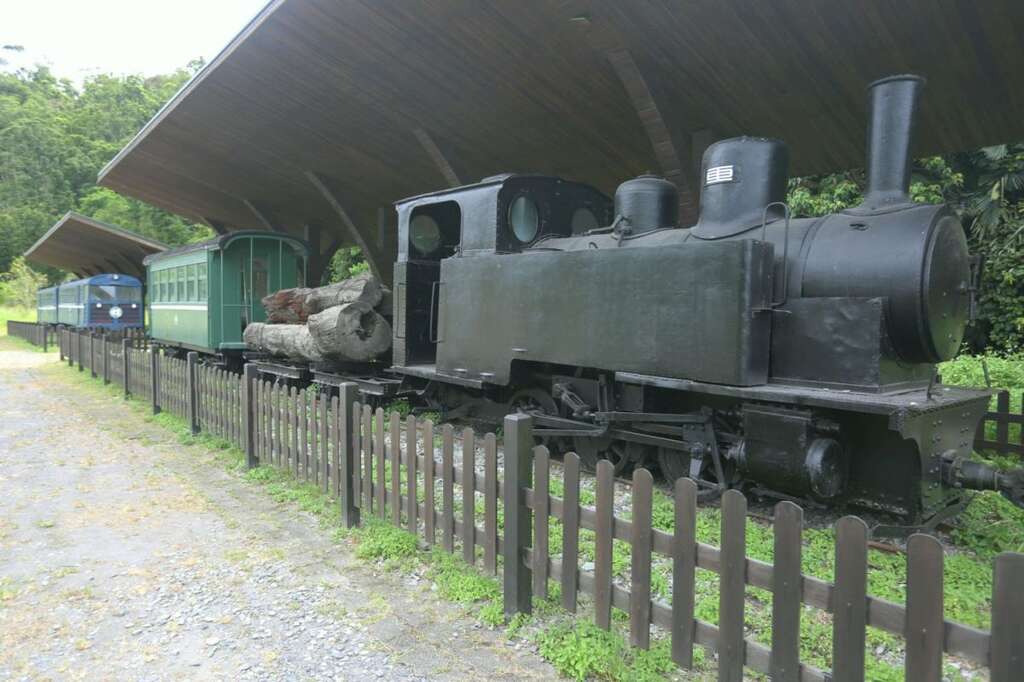
Retired trains on display at Tuchang
Taipingshan's Bong Bong Train
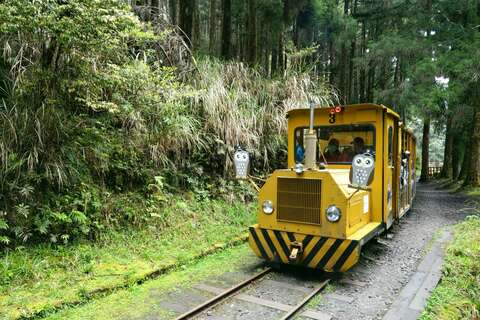
When mentioning Taipingshan National Forest Recreation Area, many people think of its tendency to snow and the fun "Bong Bong Train." Taipingshan's Bong Bong Train uses small locomotives, named after the "bong bong" sound they make while running.
The track on which the Bong Bong Train operates was previously the "Maoxing Line," used to transport timber through the mountain forests, with its starting point at the former Taipingshan Station, the center of the mountain railway network. The Forest Recreation Area restored approximately 3 kilometers of the Maoxing Line in 1991, transforming it into the Bong Bong Train railway open for passengers, becoming a representative recreational facility of Taipingshan. It is also the only other former forestry railway currently operating for passengers in Taiwan besides the Alishan Forest Railway. Part of the Maoxing Line has also been restored as the Maoxing Nostalgic Trail.
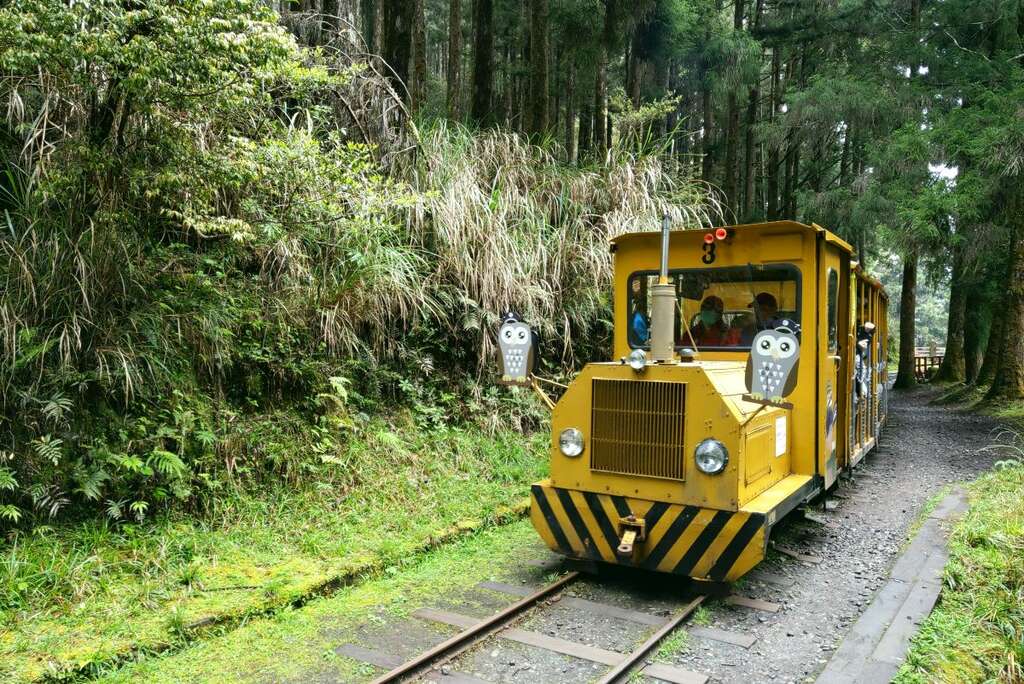
Riding the Bong Bong Train is an unmissable experience when visiting Taipingshan
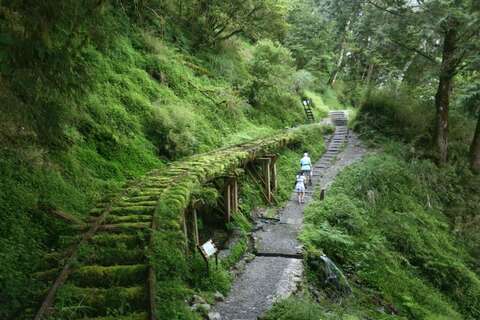
Additionally, several trails that visitors now frequently hike within the Forest Recreation Area also have railway heritage, such as the Jianqing Line transformed into Jianqing Nostalgic Trail, and the Pizi Line becoming the Taiwan Beech National Trail. Parts of the Sanxing Line and Qingfeng Line have become the Cuifeng Forest Road connecting Taipingshan Villa and Cuifeng Lake. Interestingly, the "Cuifeng Lake Loop Trail," which was named the world's first "Quiet Trail," was also formerly a forestry railway, and some track remnants can still be seen around Cuifeng Lake today. It received certification due to minimal artificial noise and excellent sound-absorbing vegetation. However, if the Bong Bong Train were running around Cuifeng Lake today, "quiet" would definitely not be the word to describe it!
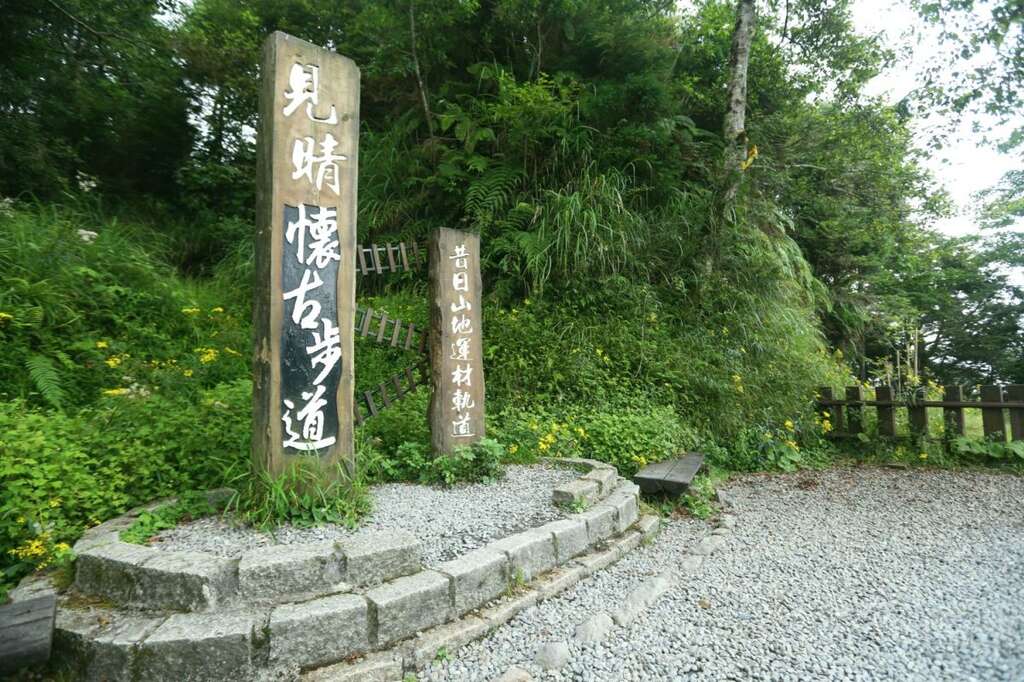
Jianqing Nostalgic Trail was formerly the Jianqing Line forest railway
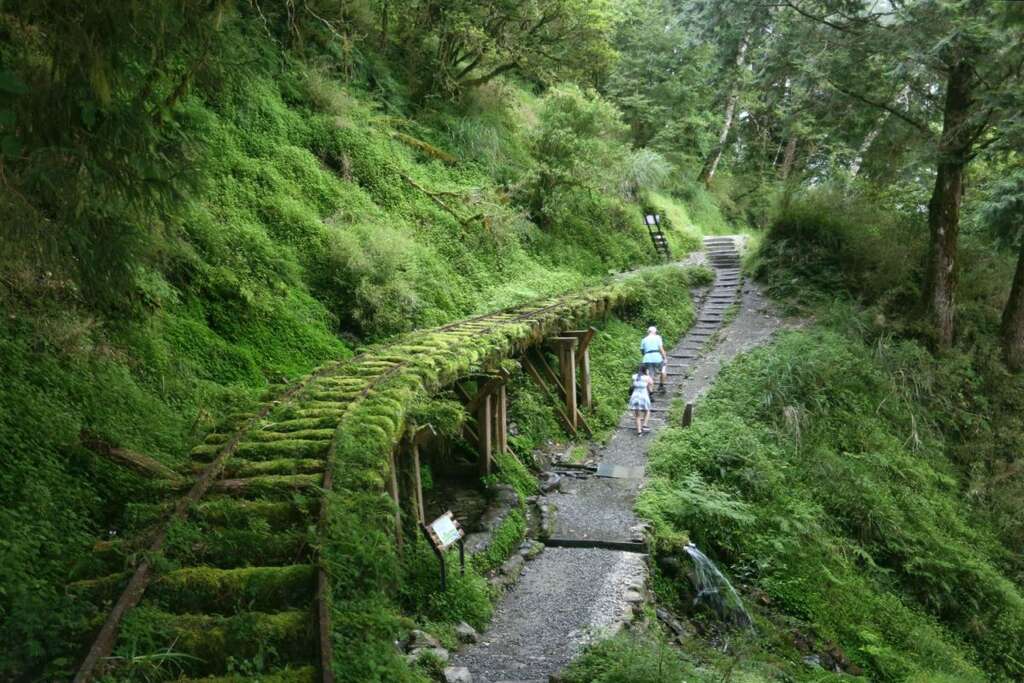
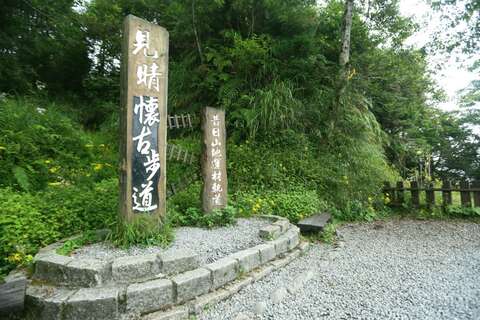
Many trails in Taipingshan National Forest Recreation Area still show traces of the former railway
A Forest Railway Journey Combining Culture, Nature, and Agritourism
Yilan's forest railways and related facilities, from Luodong Forestry Culture Park to Tiansongpi and Tuchang, to Taipingshan's Bong Bong Train, compose a rich and diverse historical tapestry. These early historical traces not only witness the rise and fall of Taiwan's forestry but have also become important tourism resources in Yilan today. In recent years, the Yilan County Government has been planning to rebuild the Luodong Forest Railway's flatland section, giving visitors another tourist train to ride. If realized, it will surely bring visitors even more diverse and interesting experiences.
This content was translated by AI. Please refer to the original text if you have any concerns.
Photos