Ocean Encounter: Budai Sea Bus
Posted Date:2025-01-02
Updated:2026-01-20
Popularity
732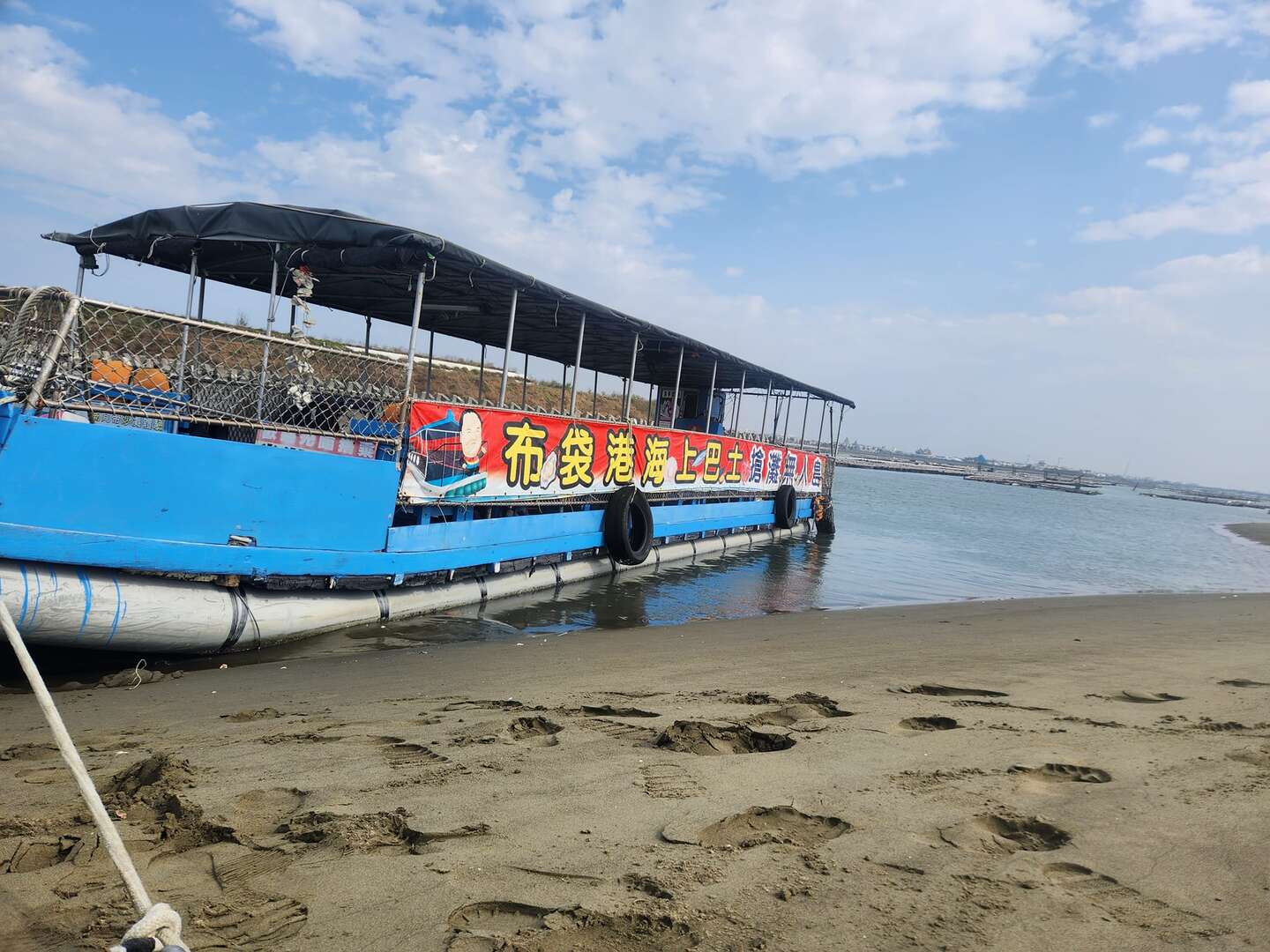
Budai in Chiayi County was anciently called "Wanggang." The earliest development records can be traced back to the era of Yan Siqi and Zheng Zhilong at the end of the Ming Dynasty, making it one of the earliest places developed by Han Chinese in the Chiayi area. Today, Budai Port serves as Chiayi's largest-scale seaport, not only with seasonal ferry services to and from Penghu, but also as a berthing place for fishing boats. The nearby coastal waters are famous for oyster field cultivation, and fresh, plump oysters are the signature here. Besides tasting seafood, visitors can take the "Sea Bus" to offshore sandbars to learn about the unique terrain, get up close to offshore farms and the rich ecology of intertidal zones, and understand the importance of marine environmental protection.
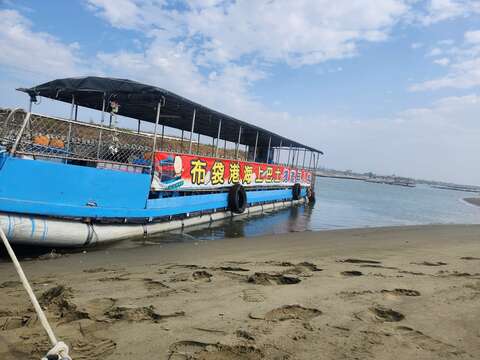
Captain Chen, who grew up in Budai, originally worked elsewhere. After returning home, he wanted to help visitors gain a deeper understanding of Budai's land and sea scenery, so he thought of operating the "Sea Bus" sightseeing fishing raft to take visitors out to sea for sightseeing. The Budai Sea Bus was established in 2004 as the first legal sightseeing and recreational fishing raft in the Chiayi area, taking visitors to tour oyster fields at sea, intertidal zones, and uninhabited islands.
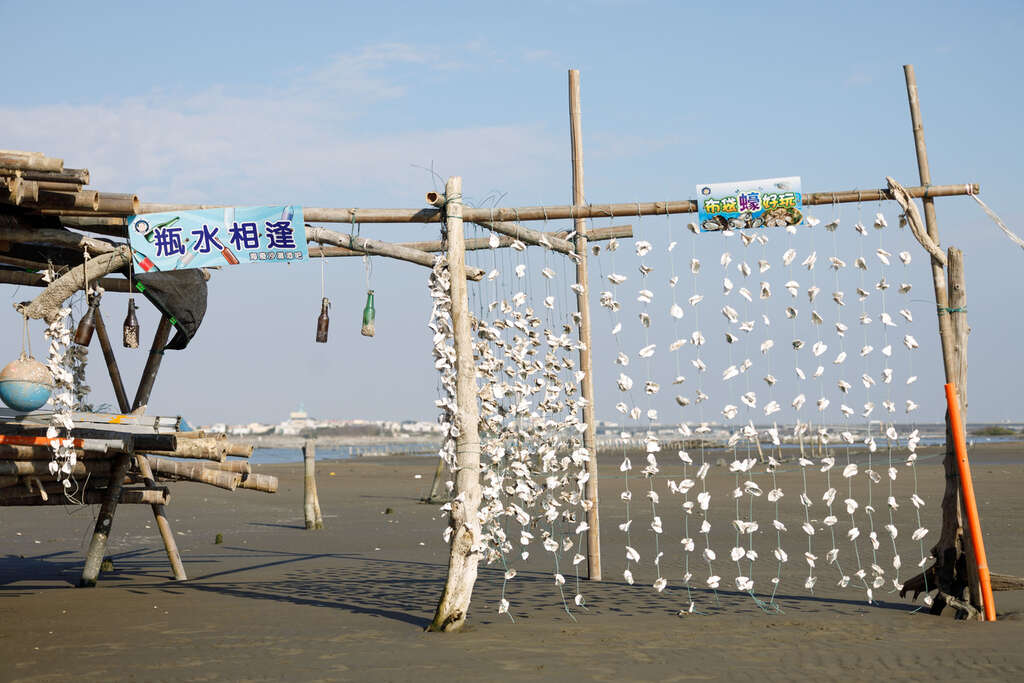
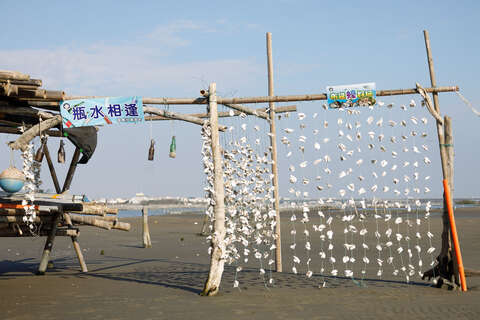
Cake Beach and ocean waste art creation (Photo provided by Taiwan Leisure Farming Development Association)
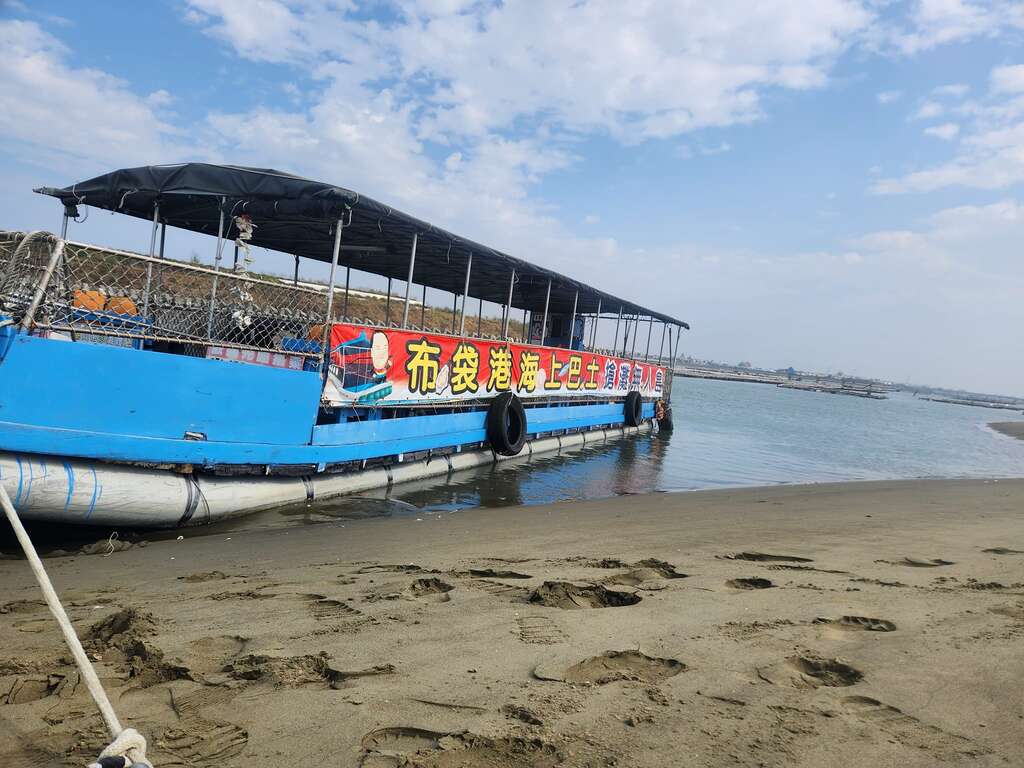
Budai Sea Bus (Photo provided by Budai Sea Bus)
In Search of Cake Beach
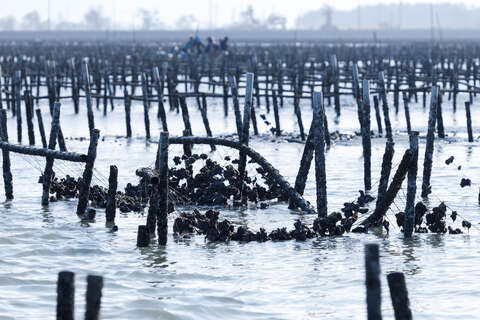
There are 5 methods of oyster farming, from traditional bamboo pole insertion to modern floating raft styles. During the "Sea Bus" tour, visitors can observe the horizontal hanging and floating raft oyster racks on the sea surface. Captain Chen has specially made miniature oyster rack models to help visitors more intuitively understand the growing environment of oysters.
Through the guided explanations, visitors can deeply understand how oysters grow from small seedlings to fresh and plump maturity, and also appreciate the hard work of oyster farmers. Since you've come all the way to the oyster production area, why not experience the fun of pulling up oyster strings yourself? The weight of an oyster string is not light - it's not easy to lift it from the sea with one hand!
One of the highlights of the Sea Bus tour is giving visitors the opportunity to set foot on "Cake Beach." Of course, this doesn't mean the beach is full of cake desserts for an all-you-can-eat afternoon tea buffet. Rather, it refers to the fine sand on the sandbar being so soft and powdery that walking on it feels like stepping on cake, hence this dreamy name.
After disembarking from the Sea Bus, visitors might want to temporarily take off their shoes and feel the beauty of nature with their own feet. Some say taking off your shoes is like shedding worldly worries, allowing you to fully relax and enjoy the beach, sunshine, and sea breeze here.
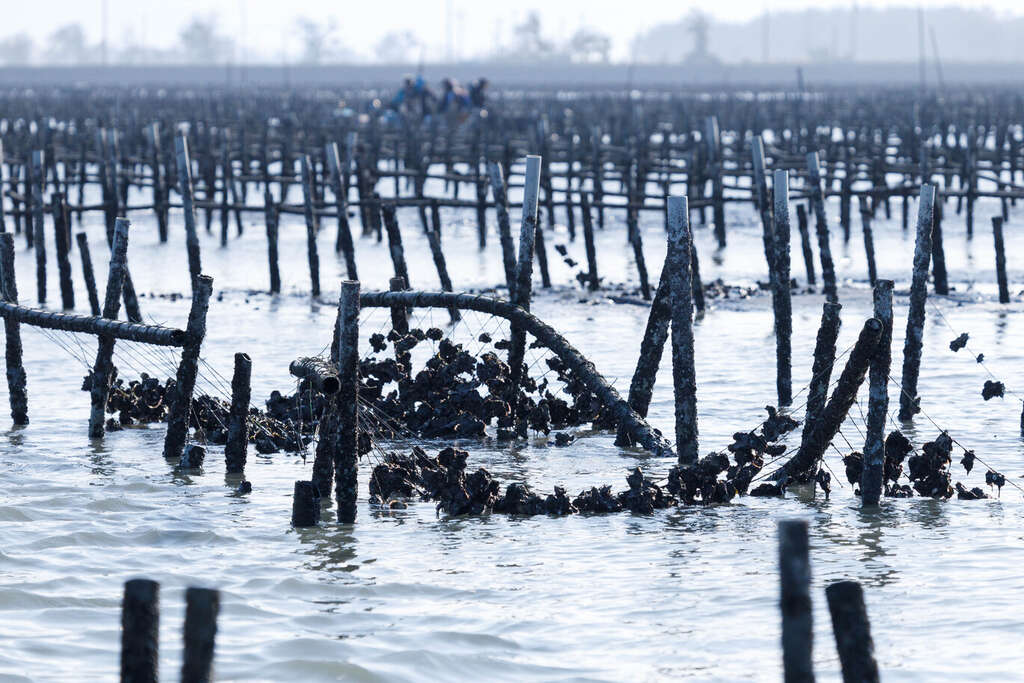
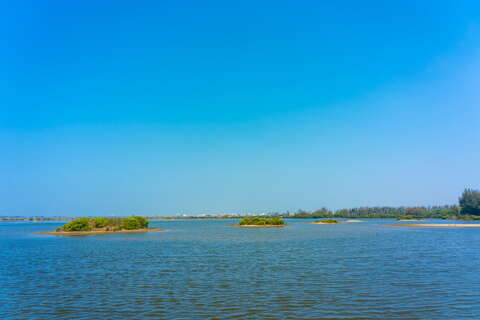
Oyster racks can be seen in the sea on the way to the sandbar (Photo provided by Taiwan Leisure Farming Development Association)
Inhabitants of the Uninhabited Island
It's not just visiting tourists who enjoy Cake Beach - it's also a paradise for countless marine creatures. The intertidal zone ecological resources of the uninhabited sandbar island are quite rich, allowing visitors to observe unique biological ecosystems up close.
In the intertidal zone of the sandbar live horn-eyed ghost crabs, fiddler crabs, soldier crabs, and sand crabs, collectively known as the "Four Heavenly Kings" of the crab family. Among them, the horn-eyed ghost crab is easily recognizable by its pair of upright eyes, and you might feel you've seen it somewhere before - it turns out to be the prototype for "Mr. Krabs" in the cartoon "SpongeBob SquarePants"!
Besides the crab family, this water area also used to have traces of "horseshoe crabs." This ancient invertebrate has remained almost unchanged since the Devonian period of the Paleozoic Era, about 400 million years ago, which is why biologists call them "living fossils." Newly hatched horseshoe crabs live in intertidal waters, gradually migrating to deeper waters as they age and grow larger.
However, due to environmental impacts, the number of horseshoe crabs has greatly decreased. They have almost disappeared from Taiwan's main island, with only a few remaining along the shores of Kinmen and Penghu. Visitors on site may only be able to see specimens brought by the captain. But through these explanations, visitors gain more knowledge about marine ecology and better understand the importance of environmental protection.
Ocean Waste Art: Learning Marine Conservation
Besides natural scenery, the uninhabited sandbar island also features a series of installation art made from marine waste, incorporating the concept of marine conservation into the creations.
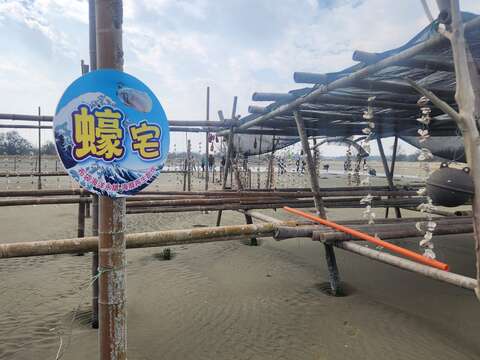
For example, the "Dream Weaving Net" swing woven from discarded fishing nets invites visitors to feel the rhythm of the ocean while swaying. Installation art pieces like "Oyster House," "Inn," and "Budai Oyster Fun," made from discarded oyster racks, oyster shells, and other materials, also add a touch of fun to the beach. "Chance Encounter" is made from discarded wine bottles that drifted in from the sea with the waves.
Returning to the Budai shore, visitors can dine at the restaurant operated by Sea Bus, or head to Budai Fishing Harbor's tourist fish market to taste seafood. Delicious snacks like oyster omelet, oyster buns, and oyster fritters are certainly not absent. The market also sells fresh oysters, lobsters, shellfish, and various processed seafood products - visitors can compare and shop at multiple stalls.
The nearby "Budai Wetland Ecological Park" is a great place for birdwatching in autumn and winter. The area was formerly salt fields, but having been left idle for a long time, it has formed a wetland with little human disturbance, attracting large numbers of migratory birds to feed and becoming an important wild bird habitat along the Chiayi coast.
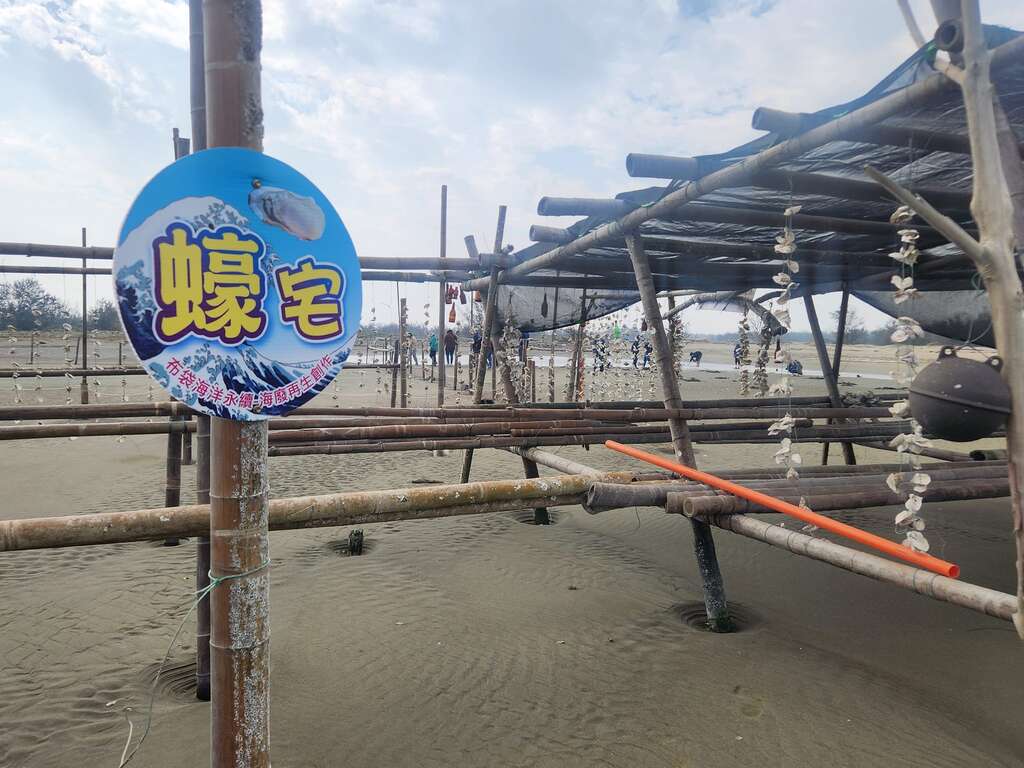
The "Oyster House" on the uninhabited island is built from marine waste (Photo provided by Budai Sea Bus)
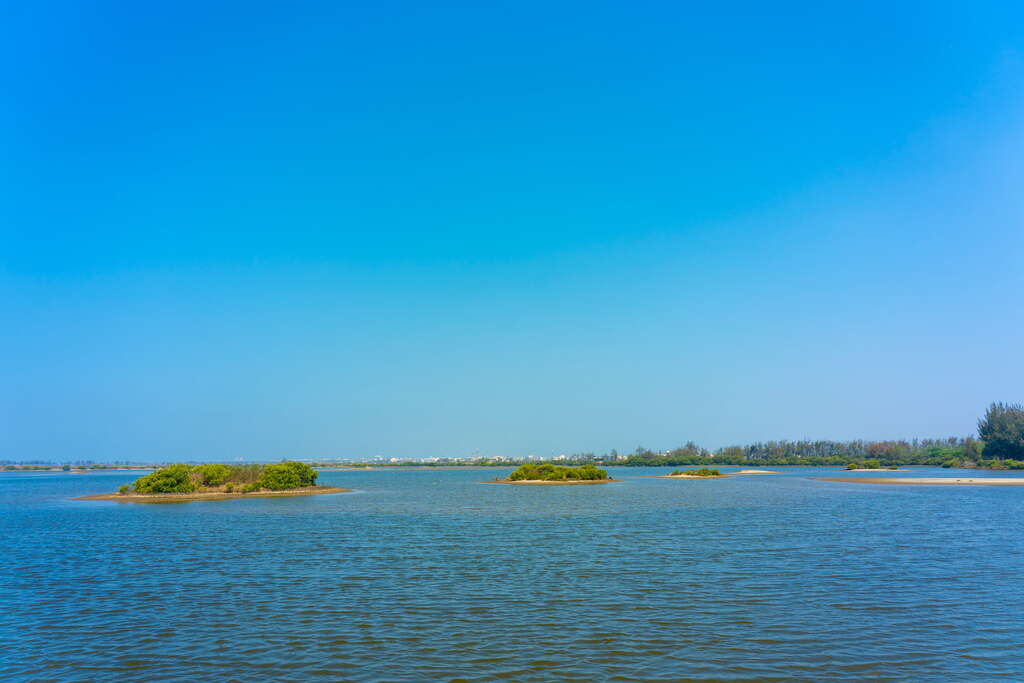
Budai Wetland attracts birds to inhabit
Haomei Ship House: Beautiful Stories
Heading further south, visitors can visit Haomei Village in Budai. Besides its name already giving people a beautiful impression ("Haomei" means "very beautiful" in Chinese), it is also known as a 3D art painted village. The "Haomei Ship House" in the village is not just an agricultural specialty sales center, but also an art-filled playground.
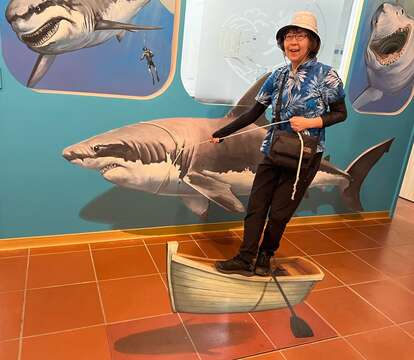
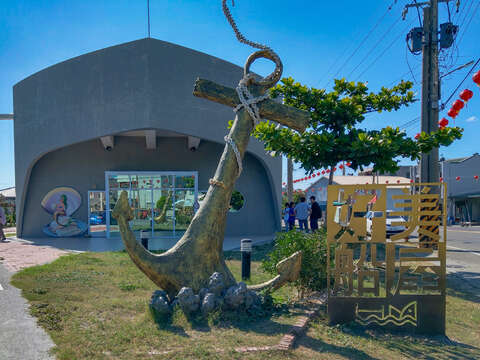
The ship house's exterior is designed after the 17th-century "Fuzhou ship" concept, corresponding to Budai's background of development since the Ming Dynasty. Inside and outside the ship house, from walls to floors to ceilings, lifelike 3D paintings are everywhere - whether giant clams, mermaids, or various lively sea creatures on the walls, every corner hides surprises.
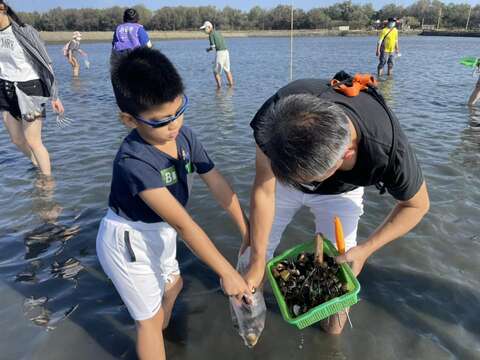
"Haomei Ship House" also offers rich experience activities. Visitors can personally wade into the water to catch clams while getting their pants wet, fish with eco-friendly fishing gear, or DIY handmade crafts at the workshop. The agricultural specialty products sold in the hall are dazzling, from fresh seafood to local snacks, allowing you to taste the agricultural and fishing delicacies of the Yunlin-Chiayi-Tainan region. There are also dishes to enjoy on-site - the "Super Want to See Noodles," famous for its generous seafood toppings that hide the noodles underneath, is a dish many people share and recommend online (weekends only).
Haomei Ship House is also part of community development efforts. The coast around Haomei actually faces problems such as sandbar erosion, accumulation of marine debris, and wetland environment destruction. Fortunately, public and private sectors along with local communities have actively launched restoration efforts, mobilizing volunteers and students to build sand-fixing fences using discarded oyster racks for beach nourishment, and planting over 10,000 trees to cultivate windbreak forests, slowing down the rate of coastal retreat.
Local efforts led Haomei Village to receive the "Top 100 Sustainable Destination Stories Award" in 2022, becoming an internationally certified green sustainable tourism destination. In 2024, it received the "National Environmental Education Award," helping more people learn about Haomei and continuing to write Haomei's beautiful story.
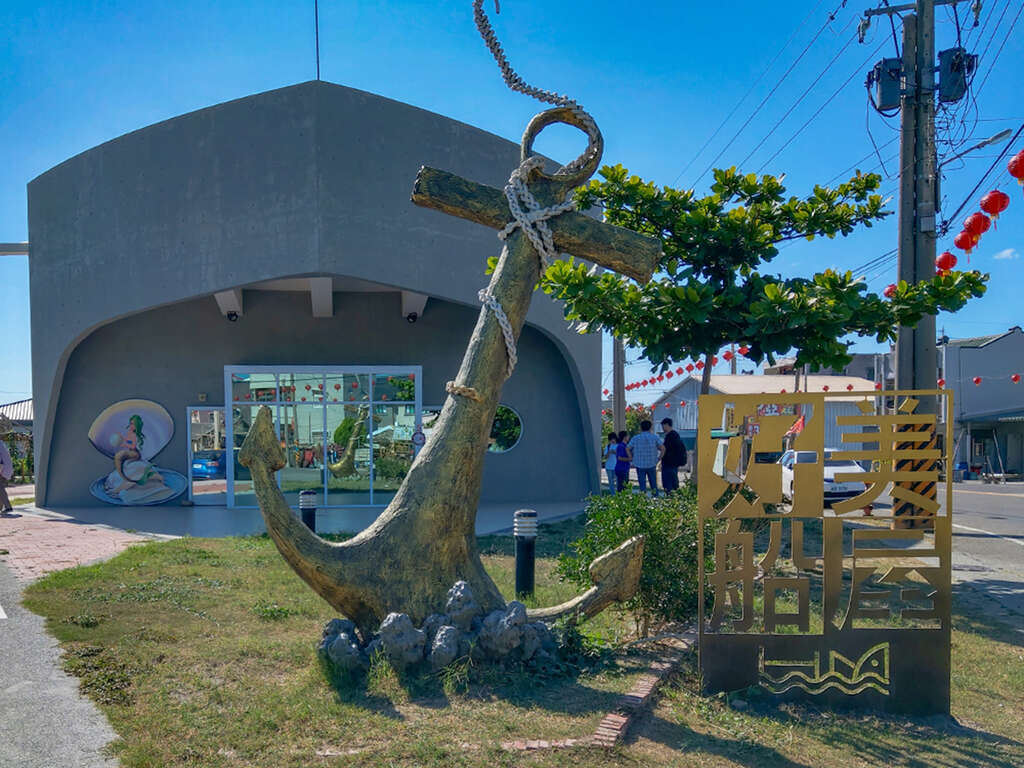
Haomei Ship House's exterior design combines the 17th-century ancient ship concept
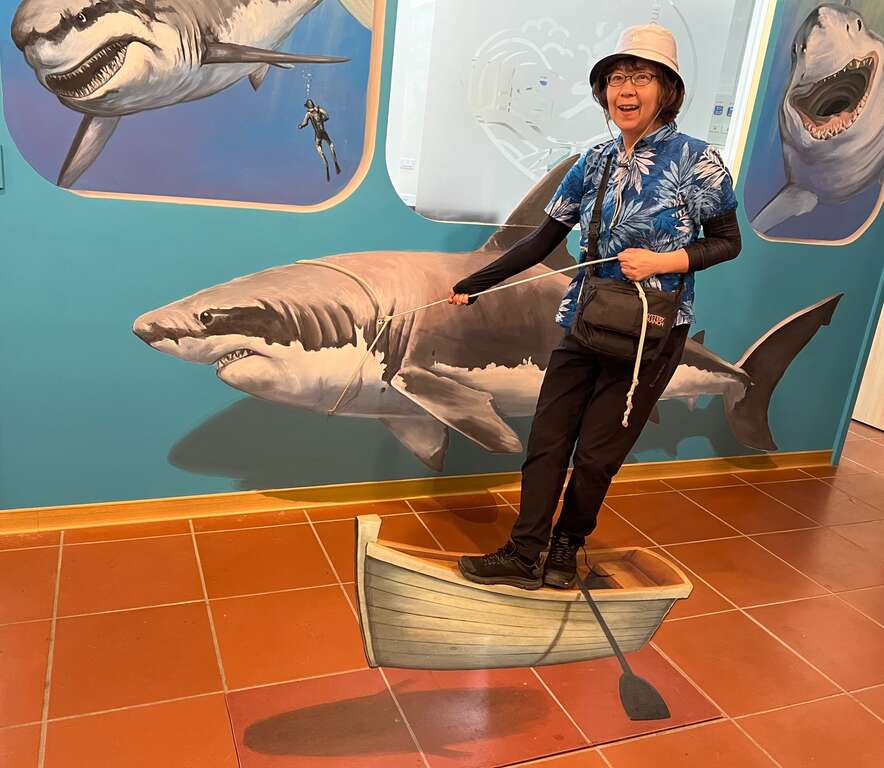
Haomei Ship House has many amusing 3D paintings inside and out (Photo provided by Haomei Ship House)
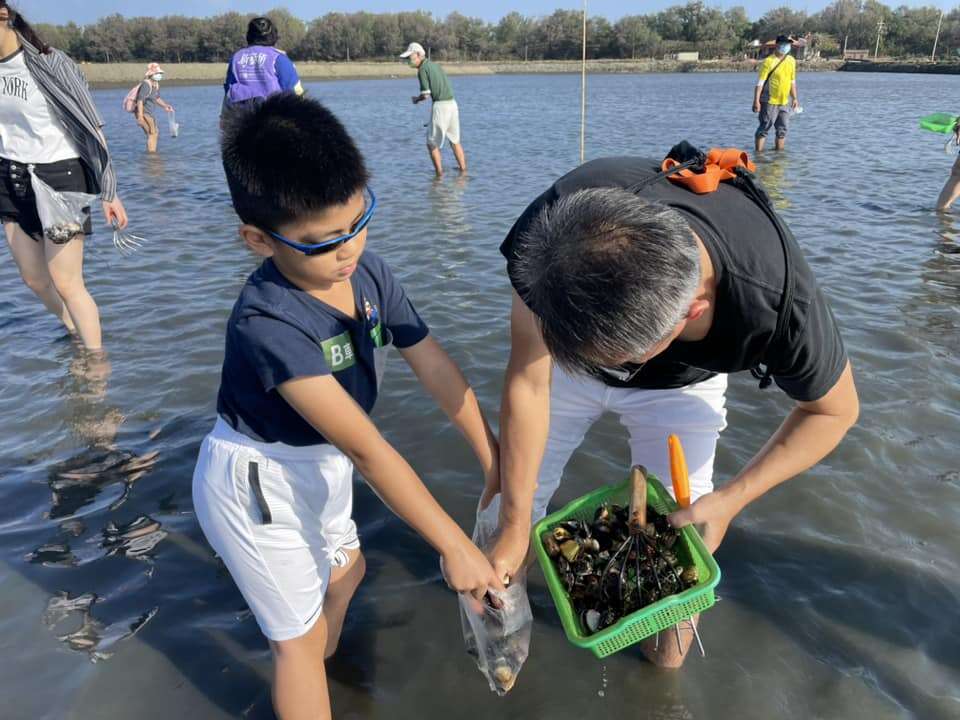
Haomei Ship House clam catching experience (Photo provided by Haomei Ship House)
This content was translated by AI. Please refer to the original text if you have any concerns.
Photos